
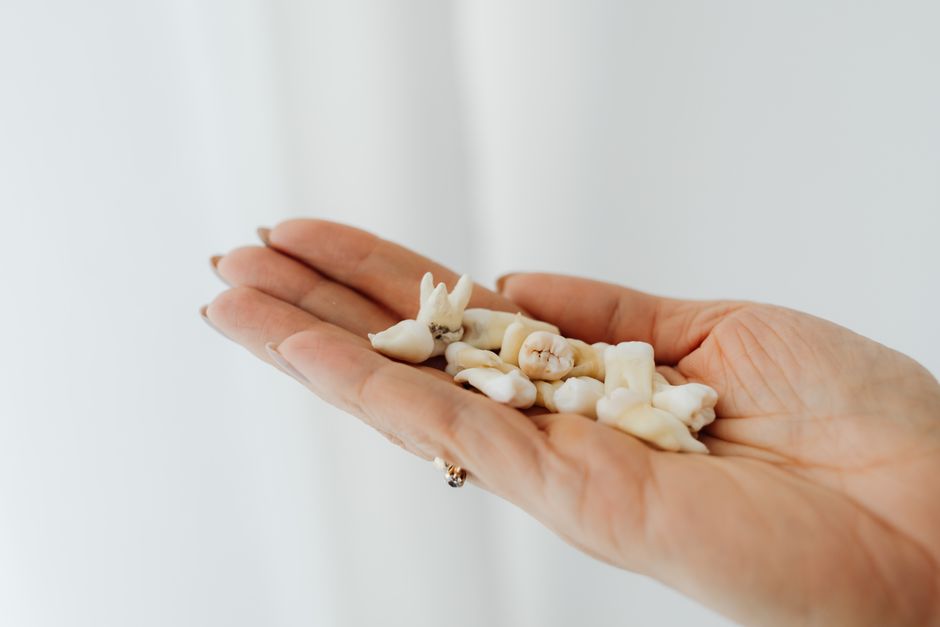
Most adults have 32 teeth. That is the complete set for a human mouth. This includes your incisors, canines, premolars, and molars. The last four to arrive are your wisdom teeth. Not everyone gets all four wisdom teeth. Some people have fewer. Some have none at all. So the real number for any given adult can be 28, 29, 30, 31, or 32. The standard number is 32, but normal variation is common.
How Many Adult Teeth Do Humans Have Including Wisdom Teeth?
When you count wisdom teeth, the full adult set is 32 teeth. This is the number dentists use as the standard adult dentition. The breakdown is eight incisors, four canines, eight premolars, and twelve molars. The twelve molars include the four wisdom teeth.
Wisdom teeth are the third molars. They usually come in between ages 17 and 25. Many people do not have enough room in their jaw for them. This is why wisdom teeth extraction is one of the most common dental surgeries. The American Association of Oral and Maxillofacial Surgeons reports that about 5 million people in the US have their wisdom teeth removed each year.
What Is the Difference Between Baby Teeth and Adult Teeth?
Children have 20 primary teeth. These are often called baby teeth or deciduous teeth. Adults have 32 permanent teeth. The difference is not just in the count. The types of teeth are different too.
Baby teeth include incisors, canines, and molars. Adult teeth add premolars to the mix. Premolars replace the baby molars. Children have eight molars total. Adults have eight premolars and twelve molars. The adult set is designed for a larger jaw and a more varied diet that includes tougher foods.
Here is a quick comparison of the two sets:
| Feature | Baby Teeth | Adult Teeth |
|---|---|---|
| Total count | 20 | 32 |
| Incisors | 8 | 8 |
| Canines | 4 | 4 |
| Premolars | 0 | 8 |
| Molars | 8 | 12 |
| Wisdom teeth | 0 | 4 |
Does Everyone Have 32 Adult Teeth?
No. Not everyone has 32 adult teeth. Some people are born with fewer teeth. This condition is called hypodontia. It affects about 2 to 8 percent of the population, according to research published in the Journal of the American Dental Association. The most commonly missing teeth are the wisdom teeth, followed by the second premolars and the upper lateral incisors.
Some people have extra teeth. This is called hyperdontia. It is less common, affecting about 1 to 3 percent of people. Extra teeth can appear anywhere in the mouth. They often need to be removed to prevent crowding or other dental issues.
Then there are people who have had teeth removed. Wisdom teeth extractions are the most common reason. But people also lose teeth to decay, injury, or gum disease. The CDC reports that about 1 in 5 adults aged 65 or older have lost all their teeth. So the number of teeth an adult has right now depends on their dental history.





What Are the Four Types of Adult Teeth and What Do They Do?
Adult teeth are divided into four types based on shape and function. Each type has a specific job in the process of chewing.
Incisors. You have eight incisors — four on top and four on bottom. These are the flat, sharp teeth at the front of your mouth. They cut food into smaller pieces. They also help you pronounce certain sounds.
Canines. You have four canines — two on top and two on bottom. These are the pointed teeth next to the incisors. They grip and tear food. Canines have the longest roots of any tooth. This makes them strong and stable.
Premolars. You have eight premolars — four on top and four on bottom. These sit between the canines and the molars. They have a flat surface with two cusps. Premolars tear and crush food. They replace the baby molars as you grow.
Molars. You have twelve molars — six on top and six on bottom. This includes the four wisdom teeth. Molars have a large, flat surface with multiple cusps. They grind food into a paste that is easier to swallow and digest.
Here are the key functions in a simple list:
- Incisors: cutting and biting
- Canines: gripping and tearing
- Premolars: tearing and crushing
- Molars: grinding and chewing
When Do Adult Teeth Come In?
Adult teeth start coming in around age 6. The first to appear are usually the lower central incisors and the first molars. The last to appear are the wisdom teeth, which typically come in between ages 17 and 25.
The full timeline is well documented by the American Dental Association. Here is the general order:
- First molars: age 6 to 7
- Central incisors: age 6 to 8
- Lateral incisors: age 7 to 9
- Canines: age 9 to 12
- Premolars: age 10 to 12
- Second molars: age 11 to 13
- Third molars (wisdom teeth): age 17 to 25
This timeline varies from person to person. Some children get their adult teeth earlier or later. That is usually normal. But if a child loses a baby tooth and no adult tooth comes in within a year, a dentist should check for problems like impacted teeth or missing teeth.
What Happens If You Have Fewer or More Than 32 Adult Teeth?
Having fewer than 32 adult teeth is common. Missing wisdom teeth are the most frequent reason. Many people also have missing second premolars or lateral incisors. This is usually a genetic trait. It does not always cause problems. But missing teeth can lead to shifting of the other teeth, bite issues, or difficulty chewing.
Having more than 32 adult teeth is less common. Extra teeth can crowd the mouth. They can push other teeth out of alignment. They can also cause cysts or damage to nearby roots. Dentists often recommend removing extra teeth to prevent these complications.
Some people have teeth that never break through the gum. These are called impacted teeth. Wisdom teeth are the most commonly impacted. Impacted teeth can cause pain, infection, or damage to adjacent teeth. They may need to be removed surgically. The decision to remove them depends on the specific situation. Not all impacted teeth need to come out. But many do.
Frequently Asked Questions
Frequently Asked Questions
How many teeth do adults have without wisdom teeth?
Adults have 28 teeth if they do not have any wisdom teeth. This includes eight incisors, four canines, eight premolars, and eight molars.
Is it normal to have 28 teeth as an adult?
Yes, it is normal. Many adults have 28 teeth because their wisdom teeth never developed or were removed.
Can you have 32 teeth without wisdom teeth?
No. The 32 count includes all four wisdom teeth. Without them, the maximum is 28 teeth.
Do all adults have the same number of teeth?
No. The standard number is 32, but many adults have fewer due to genetics, extractions, or dental disease.
