
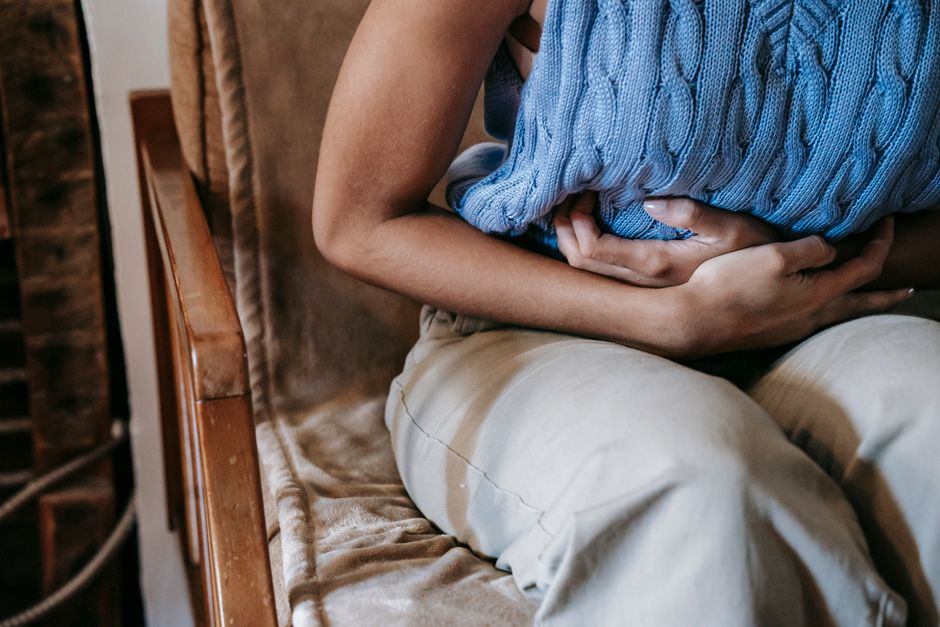
Stomach cramps are never fun, and when one hits, the first question is usually “how long will this last?” For most common causes, the answer is a few hours to a couple of days. Viral gastroenteritis, often called the stomach flu, typically causes cramps that come and go for 24 to 72 hours. Food poisoning can resolve in as little as 12 hours or linger for several days depending on the bacteria involved. The real answer depends entirely on what is causing the cramping, and knowing the difference can help you decide whether to wait it out or see a doctor.
What Actually Causes Stomach Cramps?
Stomach cramps are a symptom, not a condition. The pain comes from the muscles in your digestive tract contracting too hard or out of rhythm. Your intestines move food along using waves of muscle contraction called peristalsis. When something irritates the lining of your gut, those contractions become stronger and more erratic, which you feel as cramping.
Common triggers include viral or bacterial infections, food intolerance, gas buildup, constipation, and in some cases, more serious conditions like appendicitis or gallbladder issues. The duration of your cramps usually tracks with how long the underlying trigger takes to clear. A gas bubble might pass in 30 minutes. A bacterial infection might take a week to fully resolve.
How Long Do Cramps Last With the Stomach Flu?
Viral gastroenteritis is the most common cause of sudden stomach cramps combined with diarrhea or vomiting. Norovirus and rotavirus are the usual culprits. The infection inflames the lining of your stomach and intestines, which triggers the painful contractions.
The acute phase of viral gastroenteritis typically lasts 24 to 72 hours. During that window, cramps tend to come in waves, often right before you need to use the bathroom. After the worst symptoms pass, you may still feel mild cramping or tenderness for another day or two as your gut lining heals. Full recovery of normal digestion can take up to a week, especially in older adults.
If cramps from a stomach virus last longer than a week, or if you cannot keep fluids down for more than 24 hours, seek medical attention. Dehydration is the main risk with viral gastroenteritis, and it can become dangerous quickly in older adults and people with chronic conditions.
How Long Do Food Poisoning Cramps Last?
Food poisoning is caused by eating food contaminated with bacteria, toxins, or parasites. The duration depends on the specific pathogen. Some bacterial toxins, like those from Staphylococcus aureus, cause symptoms within hours and resolve within 24 hours. Others, like Salmonella or Campylobacter, can cause cramps and diarrhea for several days to a week.
Most cases of food poisoning resolve on their own within 48 hours. The cramps are often more intense than with a virus because the bacteria directly irritate the intestinal lining and may cause inflammation. If you have a fever above 101.5°F, bloody diarrhea, or symptoms lasting more than three days, you should see a doctor. These signs can indicate a bacterial infection that may need antibiotics.





How Long Do Cramps Last From Gas or Constipation?
Gas-related cramps are usually brief. When a pocket of gas stretches your intestinal wall, you feel a sharp, localized cramp. Once the gas passes, the pain typically stops within minutes. Some people experience gas cramps that come and go for several hours, especially after a large meal or when eating foods that produce excess gas like beans, broccoli, or carbonated drinks.
Constipation cramps are different. They can last for days because the underlying problem — backed-up stool — persists until you have a bowel movement. The cramping is often a dull, aching sensation in the lower abdomen that worsens over time. Once you pass the stool, the cramps usually resolve within a few hours. If constipation lasts more than three days despite home treatment, or if you cannot pass gas at all, contact a doctor.
How Long Do Period Cramps Last?
Menstrual cramps, known medically as dysmenorrhea, follow a different timeline than digestive cramps. They typically start one to two days before your period begins and last for the first two to three days of menstruation. The pain comes from the uterus contracting to shed its lining, driven by hormone-like substances called prostaglandins.
For most women, the worst cramping occurs in the first 48 hours of the period and then fades. Cramps that last beyond day three or that are severe enough to interfere with daily activities warrant a discussion with a healthcare provider. Conditions like endometriosis or uterine fibroids can cause prolonged or unusually painful cramping.
When Should You Worry About Stomach Cramps?
Most stomach cramps are harmless and resolve on their own. But some situations require immediate medical attention. Seek emergency care if your cramps are severe enough to double you over, if the pain is localized to the lower right side of your abdomen, or if you have a fever above 103°F.
Other warning signs include blood in your stool or vomit, persistent vomiting that prevents you from keeping fluids down, difficulty breathing, or cramps that follow an abdominal injury. In women, sudden severe cramping with shoulder pain or dizziness can be a sign of an ectopic pregnancy and requires immediate care.
If you have been diagnosed with a condition like Crohn’s disease, ulcerative colitis, or irritable bowel syndrome, your cramping may follow a different pattern. These chronic conditions can cause cramps that last for hours or days during a flare-up, and your treatment plan should guide how you respond.
How to Relieve Stomach Cramps at Home
For mild cramps from gas, viruses, or minor digestive upset, home care is usually sufficient. Heat is one of the most effective tools. A heating pad or warm compress on your abdomen relaxes the muscles and can ease the intensity of cramping. Some research suggests heat works as well as over-the-counter pain relievers for menstrual cramps.
Hydration matters. If you have diarrhea or vomiting, you are losing fluids and electrolytes. Sip clear fluids like water, broth, or an oral rehydration solution. Avoid dairy, caffeine, alcohol, and sugary drinks until symptoms improve. These can worsen cramping by stimulating the digestive tract further.
Over-the-counter medications can help in specific situations. Simethicone, found in products like Gas-X, helps break up gas bubbles. Loperamide, found in Imodium, can reduce diarrhea but should not be used if you have a fever or bloody stools. For menstrual cramps, ibuprofen or naproxen are more effective than acetaminophen because they reduce prostaglandin production.
Eating small, bland meals can help. The BRAT diet — bananas, rice, applesauce, and toast — is a traditional approach that gives your digestive tract easily processed foods. This is not a long-term nutrition plan, but it is reasonable for a day or two of recovery.
How Long Will Stomach Cramps Last If You Need Medical Treatment?
If your cramps require medical treatment, the timeline changes. Bacterial infections treated with antibiotics usually improve within 24 to 48 hours of starting the medication. However, the cramps may not fully disappear until the infection clears completely, which can take several days.
For conditions like appendicitis or gallbladder disease, surgery resolves the source of the pain, but you will feel post-surgical discomfort for several days afterward. The original cramping stops once the inflamed organ is removed, but your body needs time to heal from the procedure.
Chronic conditions like irritable bowel syndrome do not have a single timeline. Cramping can last for hours or days, and treatment focuses on managing triggers rather than curing the underlying issue. If you have a chronic digestive condition, work with your doctor to develop a plan for flare-ups rather than waiting for cramps to pass on their own.
What Makes Stomach Cramps Last Longer?
Certain factors can extend the duration of stomach cramps. Dehydration slows down digestion and can make cramps worse because your intestines need adequate fluid to move contents along. Continuing to eat irritating foods, like spicy or high-fat meals, can prolong symptoms by keeping the digestive tract stimulated.
Stress plays a real role. The gut is densely connected to the nervous system, and stress can intensify muscle contractions in the intestines. This is why people with irritable bowel syndrome often experience worse cramps during stressful periods. If stress is a factor, deep breathing or gentle movement may help more than another dose of medication.
Ignoring the underlying cause also extends the timeline. If constipation is driving your cramps, waiting it out without treatment can turn a two-day problem into a five-day one. Addressing the cause directly, whether that means hydration, fiber, or a laxative, is more effective than treating the pain alone.
Frequently Asked Questions
How long do stomach cramps last with a stomach virus?
Stomach cramps from viral gastroenteritis typically last 24 to 72 hours during the acute phase. Mild cramping may continue for another day or two as your digestive tract heals.
When should I see a doctor for stomach cramps?
See a doctor if cramps last more than three days, if you have a fever above 101.5°F, or if you notice blood in your stool or vomit. Seek emergency care for severe pain, especially in the lower right abdomen, or if you cannot keep fluids down for 24 hours.
Does drinking water help stomach cramps?
Yes, but only if dehydration is contributing to the problem. Sip small amounts of water or an oral rehydration solution regularly, but avoid gulping large volumes at once, which can worsen cramping.
Can stress cause stomach cramps that last for days?
Yes, stress can trigger or prolong cramping because the gut is connected to the nervous system. Stress-related cramps often improve when the stressor resolves or with relaxation techniques like deep breathing.
