
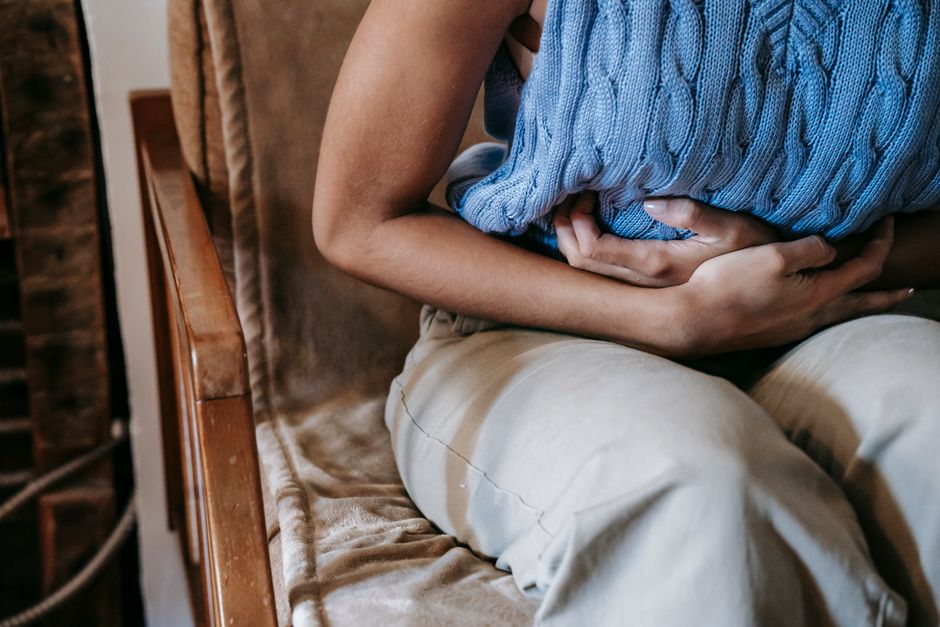
Walking can help with leg cramps and period cramps. It does not usually help stomach cramps caused by stomach flu, food poisoning, or an ulcer, and it can make those worse. The answer depends on what kind of cramp you have and where it is coming from.
That sounds like a dodge, but it is the actual medical picture. Cramps in your legs and cramps in your uterus are muscle cramps. Cramps in your belly are often something else entirely. Movement helps the first two and can irritate the third.
Why Does Walking Help Some Cramps and Not Others?
A cramp is a muscle that has contracted and will not relax. That is true whether the muscle is in your calf or in the wall of your uterus. Both are smooth or skeletal muscle tissue responding to a signal that has gone on too long.
Walking changes the signals. It increases blood flow to the area. It stretches the muscle through its full range of motion. It also triggers feedback from your nervous system that can interrupt the sustained contraction. That is the mechanism behind most of the benefit.
Stomach cramps are different. Pain in your abdomen usually comes from the gut, not from a muscle you can stretch. The intestines can cramp, but the cause is often inflammation, infection, gas, or irritation. Walking does not resolve any of those, and jostling an inflamed gut can make the pain sharper.
So the location of the pain matters more than the word “cramp.”
Does Walking Help Cramps in Legs?
Walking is one of the most common things people do when a leg cramp hits, and it often works. The movement stretches the muscle and restores circulation. For a cramp that comes on at night or after sitting for a long time, a few minutes of walking frequently resolves it.
There is a limit to what walking fixes, though. Leg cramps have many causes, and walking addresses the symptom rather than the source.
- Exercise-associated cramps — often respond well to gentle movement and stretching
- Night cramps — walking and stretching can help in the moment
- Dehydration or electrolyte imbalance — walking may ease the cramp but will not correct the underlying deficit
- Poor circulation (peripheral artery disease) — walking may actually trigger cramping pain in the calf that stops with rest
- Nerve compression or medication side effects — walking is unlikely to help
That fourth item is worth pausing on. In peripheral artery disease, the arteries supplying the legs are narrowed. Walking increases the muscles’ demand for oxygen, and the supply cannot keep up. The result is cramping or aching pain in the calf, thigh, or buttock that comes on with activity and eases within a few minutes of stopping. This pattern is called intermittent claudication, and it is a sign of cardiovascular disease that warrants medical evaluation.
If your leg cramps consistently appear during walking and disappear when you rest, that is not a cramp you should try to walk off. That is a circulation question for a doctor.
Does Walking Help Period Cramps?
Walking can reduce period cramp pain for many people. This is one of the better-supported uses of gentle exercise for cramp relief.
Menstrual cramps come from prostaglandins. These are hormone-like compounds that make the uterine muscle contract. Higher prostaglandin levels tend to produce stronger contractions and more pain. Aerobic activity appears to influence blood flow and pain signaling in ways that reduce the intensity of that experience.
Research on exercise and menstrual pain has generally found that regular physical activity is associated with less menstrual pain, and that light exercise during a period can reduce symptoms for some people. The effect is not dramatic for everyone. Some people notice clear relief. Others notice nothing. The evidence supports it as a reasonable option, not a guaranteed fix.
Walking is a good choice here because it is low-impact and easy to adjust. You can walk slowly if you feel rough. You can stop whenever you want. You are not locked into a hard workout while you are already uncomfortable.
Heat and anti-inflammatory medications remain the most reliably effective approaches for period pain. Walking is a low-risk addition, not a replacement.





Does Walking Help Stomach Cramps?
Usually not, and it can make things worse. This is where the word “cramp” leads people astray.
Stomach cramps from a viral infection, food poisoning, or a bacterial gut infection come with inflammation of the intestinal lining. Movement shakes that tissue around. Many people find that lying still or curling up reduces the pain, while walking increases it.
There is one exception worth knowing. Gas pain and mild bloating often do improve with walking. Movement helps move gas through the digestive tract and can relieve the pressure that causes the discomfort. If your stomach cramp feels like trapped gas and you are otherwise well, a slow walk may help.
How do you tell the difference? Gas pain tends to come in waves, shifts location, and eases after passing gas. Infectious or inflammatory pain tends to be more constant, often comes with diarrhea, vomiting, or fever, and does not improve with movement.
If your stomach pain is severe, lasts more than a day or two, or comes with fever, blood in your stool, or vomiting that will not stop, that is a reason to seek medical care rather than go for a walk.
How Should You Walk to Get the Most Benefit?
For leg and period cramps, the goal is gentle, steady movement. Not a hard workout.
Start slow. Walk at a pace where you could hold a conversation. Five to fifteen minutes is usually enough to see whether it helps. If the cramp eases, you can keep going. If it gets worse, stop.
For a leg cramp that hits suddenly, standing up and walking it out often works faster than sitting and rubbing it. If you can, add a calf stretch against a wall before you start walking.
For period cramps, the timing matters less than the consistency. Walking regularly throughout your cycle appears to be more useful than only walking during your period. Regular activity is associated with less menstrual pain overall.
What you should not do is push through pain that is getting worse. Discomfort that escalates with movement is a signal to stop, not to try harder.
When Should You Not Walk It Off?
Some cramps need medical attention, and walking is not the answer.
- Leg pain that comes on with walking and stops with rest — possible circulation problem
- Leg cramp with swelling, redness, or warmth in one leg — possible blood clot
- Severe abdominal pain, especially with fever, vomiting, or a rigid belly
- Period pain that is severe enough to interfere with daily life despite treatment
- Cramps that are new, frequent, or getting worse over time
The blood clot warning is the one people miss most often. A deep vein clot in the leg can cause cramping or aching, and walking will not help it. It can also be dangerous if it travels to the lungs. Swelling, warmth, and redness in one leg — particularly after surgery, a long flight, or a period of immobility — is a reason to get checked promptly rather than walk it off.
Frequent leg cramps can also be a side effect of certain medications, including some diuretics and statins. If cramps started or worsened after a medication change, that is worth mentioning to your prescriber.
What Else Helps Cramps Besides Walking?
Walking is one tool. It is not the only one, and for some cramps it is not the best one.
For leg cramps, stretching the calf and hamstring before bed is a common approach that some people find helpful. Staying hydrated matters, though the evidence on electrolyte supplements for cramps is mixed — some studies suggest benefit in specific situations, others do not. Quinine, once used for night cramps, is no longer recommended because of safety concerns.
For period cramps, heat applied to the lower abdomen and nonsteroidal anti-inflammatory drugs such as ibuprofen are the best-supported options. NSAIDs work by reducing prostaglandin production, which addresses the actual cause of the cramping. If you cannot take NSAIDs, acetaminophen is an alternative, though it tends to be less effective for this type of pain.
For stomach cramps, rest, fluids, and time are usually what is needed. Walking is not a treatment for an infection or inflammation in the gut.
The pattern across all three is the same. Muscle cramps respond to movement. Cramps caused by inflammation, infection, or blocked circulation do not. Matching the response to the cause is what makes the difference.
Frequently Asked Questions
Does walking help leg cramps?
Walking often helps a leg cramp by stretching the muscle and restoring blood flow, and many people find it resolves the cramp within a few minutes. If your leg pain reliably comes on with walking and stops with rest, that pattern points to a circulation issue and should be evaluated by a doctor.
Does walking help period cramps?
Walking can reduce period cramp pain for many people, and regular physical activity is associated with less menstrual pain overall. Heat and anti-inflammatory medications remain the most reliably effective treatments, so walking works best as an addition rather than a replacement.
Should you walk with stomach cramps?
Usually not, because stomach cramps from infection or inflammation often get worse with movement. Mild gas pain is the exception — a slow walk can help move trapped gas and ease the pressure.
When should leg cramps worry you?
Leg cramping with swelling, warmth, or redness in one leg may signal a blood clot and needs prompt medical attention. Cramps that consistently appear during walking and ease with rest may indicate narrowed leg arteries and also warrant evaluation.
