
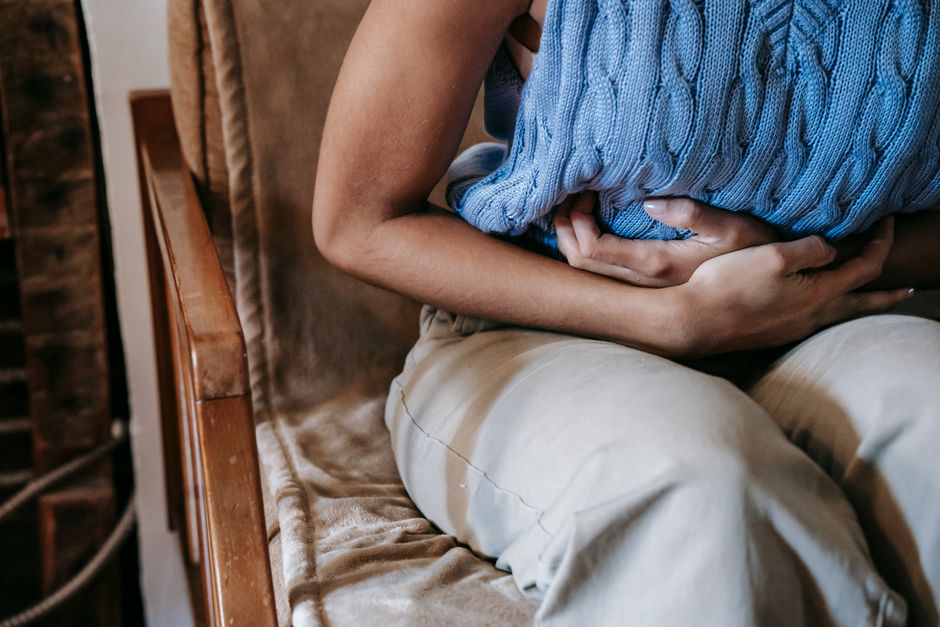
Stomach cramps during a workout are common, and they usually have a physical cause you can address. The most effective steps are to slow down or stop briefly, breathe steadily, and let the muscle spasm settle before you continue. What you ate, when you ate it, and how hard you pushed all play a role — and changing those things is often what stops cramps from coming back.
What Causes Stomach Cramps When Working Out?
Most exercise-related stomach cramps come from one of a few well-understood sources. The muscles of your gut are working alongside the muscles you are asking to perform, and under the wrong conditions they can spasm.
The most common trigger is blood flow. During hard exercise, your body redirects blood away from the digestive tract and toward the working muscles, the heart, and the skin. Digestion slows or stalls. If there is food sitting in your stomach when this happens, you can feel cramping, fullness, or nausea.
Mechanical movement matters too. Running and jumping jostle the intestines and the connective tissue that supports the abdominal organs. This is one reason cramps are more common in running and high-impact sports than in cycling or swimming.
Dehydration and electrolyte loss are frequently cited causes. The evidence here is less clear than most people assume. Some studies suggest that fluid and sodium losses contribute to muscle cramps generally, but the research on exercise-associated cramps is mixed, and no single cause has been confirmed for all cases. It is reasonable to keep hydration in mind without treating it as the proven root of every cramp.
Eating too close to a workout is the trigger most people can control most easily. A large or high-fat, high-fiber meal takes hours to clear the stomach. Exercising before that process finishes is a reliable way to bring on discomfort.
What Should You Do Right Now to Stop a Stomach Cramp?
Stop or slow down. Trying to push through a significant stomach cramp usually makes it worse, not better.
Here is what tends to help in the moment:
- Slow to a walk or stop completely and stand upright rather than hunched over.
- Breathe slowly and deeply through your nose. Shallow, rapid breathing tightens the abdominal wall.
- Press gently on the cramped area or bend forward slightly if that eases the pull.
- Sip small amounts of water if you feel thirsty. Do not gulp large volumes.
- Wait until the cramp fully releases before resuming. Restarting too soon often brings it right back.
If the cramp passes within a minute or two and you feel normal, you can ease back into your workout at a lower intensity. If it returns as soon as you pick up the pace, your session is likely done for the day.
One clarification worth knowing: a “side stitch” and a stomach cramp are not the same thing. A stitch is a sharp pain just below the ribcage, usually on one side, and it is linked to the diaphragm and the ligaments supporting the abdominal organs. Stomach cramps sit lower and feel more like a tightening or rolling sensation in the belly. They have different triggers and different fixes.
How Does Timing Your Meals Prevent Cramps?
Meal timing is the single most controllable factor for most people who cramp during exercise. The stomach empties at a predictable rate, and you want it mostly empty when you start moving hard.
General guidance that is widely used in sports nutrition:
- Allow about 3 to 4 hours after a large meal before intense exercise.
- Allow about 2 hours after a light meal or snack.
- Allow roughly 30 to 60 minutes after a very small, easily digested snack.
These are general ranges, not fixed rules. Individual stomach emptying varies, and tolerance differs from person to person. The practical approach is to test what works for you on easy training days rather than on race day.
What you eat matters as much as when. Fat, fiber, and large amounts of protein slow stomach emptying. That is fine when you are not about to exercise. Before a workout, foods that empty quickly tend to cause fewer problems. That generally means lower fat, lower fiber, and moderate portions.
Some people find that dairy before exercise causes cramping and loose stools. This is more likely in people who are lactose intolerant, but it can happen in others too. If dairy before workouts consistently bothers you, removing it before training is a reasonable experiment.





Do Fluids and Electrolytes Actually Help?
Fluids help, but the evidence that they prevent cramps is weaker than the marketing around sports drinks suggests.
Dehydration does impair exercise performance and can contribute to gastrointestinal distress. Drinking enough in the hours before and during long sessions is sound practice. The question is whether extra sodium or electrolyte products specifically stop cramps. The research is mixed. Some studies suggest sodium losses matter for people who sweat heavily and exercise for long periods. Others find no clear link between electrolyte levels and cramping.
What is reasonable:
- Drink water steadily in the hours before exercise rather than a large amount right before you start.
- For sessions under about an hour, plain water is generally enough for most people.
- For longer or very sweaty sessions, a drink containing sodium may help, particularly in hot conditions.
- Avoid drinking so much that your stomach feels sloshy. Overdrinking during exercise can itself cause cramping and nausea.
No clinical guidelines currently exist that specify an exact sodium dose to prevent exercise cramps for the general population. Needs vary widely with sweat rate, heat, and individual physiology.
When Are Stomach Cramps a Sign of Something Else?
Most exercise cramps are harmless and resolve with rest and adjustment. Some are not, and it is worth knowing the difference.
Seek medical attention if cramps come with any of the following:
- Severe pain that does not ease when you stop
- Blood in your stool or black, tarry stools
- Persistent vomiting or an inability to keep fluids down
- Fever, chills, or worsening pain over hours
- Cramps that occur at rest, not just during exercise
- Unintended weight loss or a lasting change in bowel habits
These signs can point to conditions that need evaluation. They are not typical of ordinary exercise-related cramping.
One condition worth naming because it is often missed: exertional heat illness. When cramps come with confusion, dizziness, headache, or a stop in sweating during hot-weather exercise, that is a medical emergency. Call for help rather than trying to walk it off.
People with irritable bowel syndrome, inflammatory bowel disease, or a history of abdominal surgery often cramp more easily during exercise. That does not mean exercise is off the table. It means working with a clinician on an individual plan is more useful than following general advice.
How Can You Prevent Stomach Cramps Before They Start?
Prevention comes down to a few habits that most people can build over a few weeks.
Train your gut. The digestive tract adapts to repeated exposure. Gradually increasing the amount you eat before and during training, over weeks, can improve tolerance. This is well documented in endurance athletes and applies to recreational exercisers too.
Warm up properly. Starting hard from a standstill sends blood away from the gut abruptly. A gradual warm-up gives your body time to shift blood flow more smoothly.
Build intensity slowly. Cramps are more common when you jump to a pace or effort your body has not adapted to. Increasing training load gradually reduces the chance of gastrointestinal problems.
Keep a simple log. Note what you ate, when, how hard you trained, and whether you cramped. Patterns show up within a couple of weeks for most people.
Manage heat exposure. Exercising in heat shifts more blood to the skin and away from the gut, which increases the chance of cramping. Acclimating to heat over one to two weeks helps, as does training in the cooler parts of the day.
None of these steps is a guarantee. They reduce the odds and give you information about your own triggers, which is more useful than any single fix.
Frequently Asked Questions
How do I stop stomach cramps while working out?
Slow down or stop, breathe slowly and deeply, and wait for the cramp to fully release before resuming. If it returns as soon as you pick up the pace, end the session for the day.
Should I drink water when I get a stomach cramp during exercise?
Small sips of water are fine if you feel thirsty, but gulping large amounts can make cramping and nausea worse. For sessions under about an hour, plain water is generally enough for most people.
How long before a workout should I eat to avoid cramps?
General sports nutrition guidance suggests about 3 to 4 hours after a large meal and about 2 hours after a light meal or snack. These are general ranges, and individual tolerance varies.
When should I worry about stomach cramps during exercise?
Get medical attention if cramps come with severe pain that does not ease when you stop, blood in your stool, persistent vomiting, fever, or cramps that happen at rest. Cramps with confusion or dizziness during hot-weather exercise are an emergency.
