
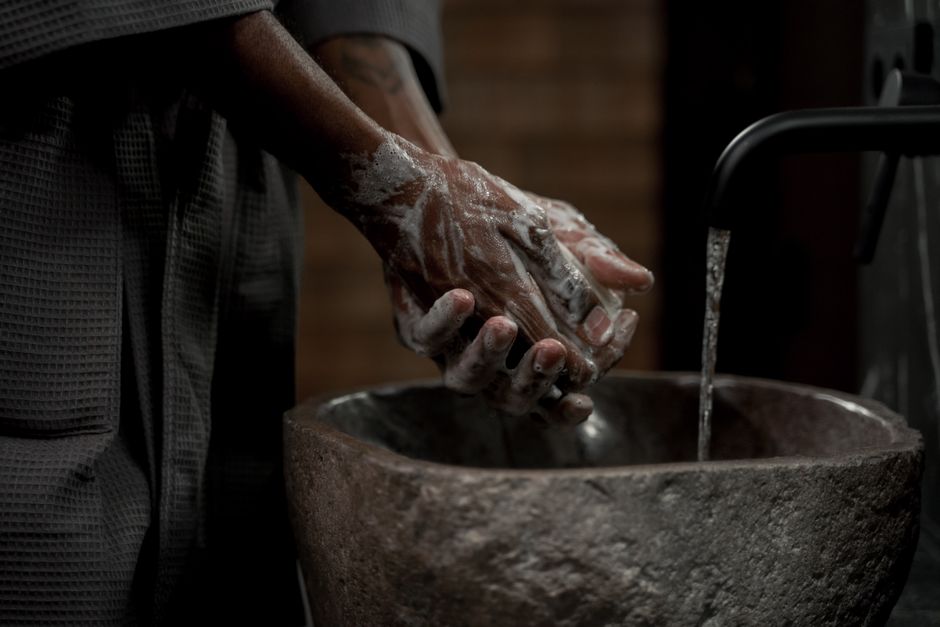
Washing your hands for at least 20 seconds is the standard recommended by the U.S. Centers for Disease Control and Prevention (CDC) and the World Health Organization. Twenty seconds is roughly the time it takes to sing “Happy Birthday” twice. When soap and water are not available, an alcohol-based hand sanitizer with at least 60% alcohol can be used, though it does not work well on visibly dirty or greasy hands.
How Long To Wash Your Hands and Why 20 Seconds Matters
The 20-second recommendation is not arbitrary. Soap molecules need time to surround and lift germs and oils off the skin. Rubbing creates friction that helps dislodge dirt, grease, and microorganisms from the tiny ridges and folds in your skin.
Research has shown that washing for about 20 seconds removes significantly more bacteria than washing for 5 or 10 seconds. The relationship between time and germ removal is not linear — there is a meaningful jump in effectiveness as you move from a quick rinse to a full 20-second wash. Beyond 20 seconds, the added benefit appears to level off for routine handwashing.
The CDC recommends this timing for all routine situations: after using the bathroom, before eating, after coughing or sneezing, after handling garbage, and after caring for a sick person.
What Is the Correct Handwashing Technique?
Time alone is not enough. Technique matters just as much as duration. The CDC outlines five steps that, done in order, give you the best chance of removing pathogens.
- Wet your hands with clean running water. Temperature does not need to be hot — comfortable water works fine. Research indicates that water temperature within a normal comfortable range does not significantly affect germ removal.
- Lather with soap. Bar or liquid soap both work. Antibacterial soap has not been shown to be more effective than plain soap for general public use.
- Scrub for at least 20 seconds. Cover all surfaces: backs of hands, between fingers, under nails, and thumbs. Fingertips and nail beds are commonly missed areas.
- Rinse under clean running water.
- Dry with a clean towel or air dry. Wet hands transfer germs more easily than dry hands.
One detail people often overlook: the backs of the hands and the spaces between fingers are where germs concentrate. Scrubbing those areas deliberately makes a real difference.
Does Hand Sanitizer Work as Well as Soap and Water?
Alcohol-based hand sanitizer with at least 60% alcohol can rapidly reduce the number of microbes on your hands. However, it does not eliminate all types of germs. It is less effective against certain viruses and does not work well against bacterial spores, including Clostridioides difficile.
Hand sanitizer also cannot remove visible dirt, grease, or harmful chemicals. If your hands are visibly soiled, soap and water is the better choice. The CDC recommends soap and water as the preferred method in most situations, with sanitizer as a backup when soap and water are not available.
When using sanitizer, apply enough to cover all surfaces of both hands and rub until dry — usually about 20 seconds. Do not wipe it off before it dries. The alcohol needs contact time to work.





When Should You Wash Your Hands?
The duration matters most in situations where germ transfer is likely. The CDC identifies key moments when handwashing is especially important.
- Before, during, and after preparing food
- Before eating
- After using the toilet or changing a diaper
- After blowing your nose, coughing, or sneezing
- After touching animals, animal waste, or pet food
- After handling garbage
- Before and after treating a cut or wound
- Before and after caring for someone who is sick
In healthcare settings, handwashing protocols are more rigorous and may involve longer scrub times, specific soaps, and surgical techniques. Those standards are designed for clinical environments and are not necessary for everyday life.
How Long Should Children Wash Their Hands?
Children should follow the same 20-second guideline as adults. The challenge is often compliance, not biology. Young children may not have the dexterity or patience to scrub thoroughly without guidance.
Making handwashing a routine with a song, a timer, or a countdown can help children reach the 20-second mark. Supervision is especially important for children under age 6, who may rush through the process or skip soap entirely.
No separate clinical guidelines exist for different handwashing durations based on age. The 20-second standard applies across age groups for routine hand hygiene.
Does Water Temperature Affect How Long You Should Wash?
Water temperature does not meaningfully change how long you need to wash. Studies comparing warm and cold water for handwashing have found no significant difference in germ removal when soap and proper technique are used.
Hot water may feel more cleansing, but it can also dry out or irritate skin with repeated use. Comfortable, warm water is fine. The key variables are soap, friction, coverage, and time — not temperature.
What does matter is consistency. Washing your hands properly and often is one of the most effective ways to prevent the spread of respiratory and diarrheal infections. Research consistently shows that handwashing reduces illness rates in community settings.
What Happens If You Wash for Less Than 20 Seconds?
Shorter washes still remove some germs, but they leave more behind. A 5-second rinse might remove surface dirt but will not adequately reduce the bacterial load on your hands.
The goal of handwashing is not sterilization. It is to reduce the number of pathogens to a level that is unlikely to cause illness if you touch your face, food, or another person. Twenty seconds with soap achieves that reduction more reliably than a quick wash.
If you are in a hurry and cannot wash for the full 20 seconds, washing for 10 seconds is still better than not washing at all. But the 20-second target exists because that is where the evidence shows a meaningful difference.
Does the Type of Soap Change How Long You Should Wash?
No. Plain soap and antibacterial soap both require about 20 seconds of scrubbing to be effective. The FDA has stated that there is no evidence that antibacterial soaps available to consumers are more effective than plain soap and water at preventing illness.
What matters is that you use soap at all. Water alone does not dissolve the oils and fats on your skin that trap germs. Soap molecules bind to both water and oils, allowing them to be rinsed away. Without soap, you are mostly just wetting your hands.
If you have sensitive skin, fragrance-free or moisturizing soaps may be more comfortable. The duration recommendation does not change based on soap type.
Why Is Handwashing Still Considered So Important?
Handwashing is one of the few public health measures with decades of consistent evidence behind it. It reduces the spread of respiratory infections, diarrheal diseases, and healthcare-associated infections.
Your hands touch dozens of surfaces every hour. Each contact can pick up or deposit pathogens. Touching your eyes, nose, or mouth with contaminated hands is a common route of infection. Washing your hands breaks that chain.
The 20-second guideline is simple, but it is grounded in how soap, water, friction, and time work together to remove germs. It is not a marketing claim or a cultural habit. It is a practical threshold supported by evidence.
Frequently Asked Questions
How long should you wash your hands?
Wash your hands for at least 20 seconds with soap and clean running water. If soap and water are not available, use an alcohol-based hand sanitizer with at least 60% alcohol.
Is 10 seconds enough to wash your hands?
Ten seconds is better than nothing but does not remove as many germs as 20 seconds. The 20-second guideline reflects the time needed for soap and friction to meaningfully reduce bacteria on your hands.
Does hand sanitizer kill the same germs as soap and water?
Hand sanitizer with at least 60% alcohol kills many germs but is less effective against certain viruses and does not work on bacterial spores. Soap and water is preferred when hands are visibly dirty or greasy.
Does water temperature affect how long you should wash your hands?
No. Water temperature within a comfortable range does not significantly change germ removal when soap and proper technique are used. Focus on soap, friction, coverage, and 20 seconds of scrubbing.
