
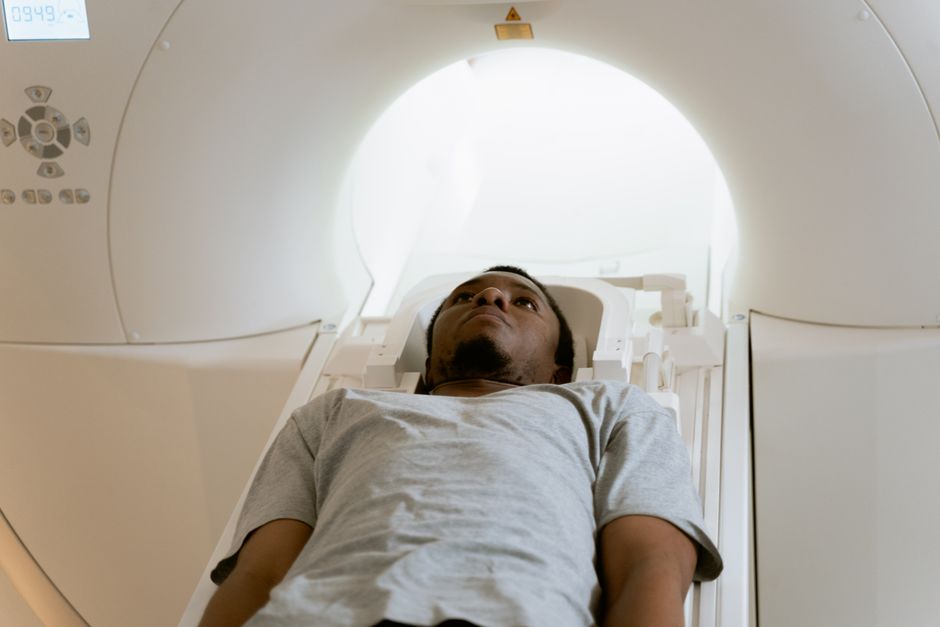
A CT scan with contrast usually takes about 10 to 30 minutes from the time you lie down on the table to the time you sit up. The scan itself — the part where the machine is actually taking pictures — often lasts only 5 to 15 minutes. The rest of the time goes to setup, IV placement, and watching for any reaction to the contrast dye. If you count the whole visit, including check-in and waiting, plan on roughly 1 to 2 hours at the facility.
How Long Does A CT Scan Take With Contrast?
The imaging portion of a contrast CT scan generally runs 5 to 15 minutes. That window covers the actual scanning, plus short pauses where the technologist asks you to hold your breath or reposition you.
What surprises many people is how little of the appointment is spent inside the scanner. The machine is fast. Modern multidetector CT scanners can capture images of a full body region in seconds. The time adds up in the steps around the scan.
A typical breakdown looks like this:
- Check-in and paperwork: 10 to 20 minutes
- Changing into a gown and removing metal objects: 5 to 10 minutes
- IV line placement: 2 to 5 minutes
- Positioning on the table and instructions: 3 to 5 minutes
- Actual scanning: 5 to 15 minutes
- Post-scan observation (if needed): 10 to 15 minutes
These are general ranges. A scan of a single area, like the sinuses, sits at the short end. A scan covering multiple body regions, or one timed to catch contrast at a specific moment in blood flow, can run longer.
What Happens During a Contrast CT Scan?
Contrast dye makes certain tissues, blood vessels, and organs easier to see on the images. Without it, some structures blend together. With it, a radiologist can spot differences that would otherwise be hidden.
There are two main ways contrast is given. The most common for a CT is through an IV line placed in your arm or hand. This is called intravenous contrast. Sometimes contrast is swallowed as a drink, and occasionally it is given through the rectum. Some scans use more than one method.
Once the IV contrast goes in, you may feel a sudden warmth spread through your body. Some people describe a flushed feeling or a metallic taste in the mouth. These sensations are common and typically pass within a minute or two. They are not the same as an allergic reaction.
The technologist controls the timing. For some scans, the images need to be taken at an exact moment after the dye enters the bloodstream — for example, when it reaches the liver or the kidneys. That timing is planned in advance. It can add a few minutes to the scan.
Why the Timeline Varies From Person to Person
No two appointments run exactly the same. Several factors push the time up or down.
The body area being scanned matters most. A CT of the head is quick. A CT of the abdomen and pelvis with contrast takes longer because the dye has to travel through more tissue, and the scan may need to be timed to different phases of blood flow.
Your veins affect the setup. Placing an IV is fast for most people. If veins are hard to find, it can take longer. This is common in people who are dehydrated, have had many previous IVs, or have certain medical conditions.
Your ability to follow instructions matters too. The technologist will ask you to hold your breath for short periods. Movement blurs the images, so if you cough or shift, a section may need to be repeated.
Facility workflow also plays a role. A busy hospital imaging department may have longer waits between steps than a standalone imaging center. This is about scheduling, not the scan itself.





How Long Does the Contrast Stay in Your Body?
Most IV contrast used for CT scans is cleared by the kidneys. The dye is typically gone from the bloodstream within about 24 hours, though this varies. The exact timing depends on your kidney function.
You will not usually notice it leaving. Unlike some other imaging dyes, the contrast used for CT does not make you glow or change your urine color in most cases. If you had oral contrast, it leaves through the digestive tract over a day or so.
Because the kidneys do the clearing, your kidney function is checked before a contrast CT in many situations. If you have kidney disease, your doctor may order a blood test called a creatinine level first. In some cases, a scan without contrast or a different imaging test may be recommended instead.
If you take metformin, a diabetes medication, tell your care team. Guidance around when to pause metformin before and after contrast has changed over the years. Current practice in many settings is more relaxed than it once was, but your doctor will decide based on your kidney function and the specific contrast used.
Does a Contrast CT Take Longer Than One Without Contrast?
Yes, but usually only by a few minutes. The scanning itself is similar in speed. The extra time comes from placing the IV, injecting the dye, and sometimes waiting for the contrast to reach the right body part before taking pictures.
A non-contrast CT might take 5 to 10 minutes total on the table. A contrast CT might take 10 to 20 minutes. The difference is modest, and it is mostly about setup and timing rather than the machine working more slowly.
The choice between contrast and no contrast is not about speed. It is about what the doctor needs to see. Some problems show up clearly without dye. Others — like certain tumors, infections, or blood vessel issues — are much easier to find with it.
What Should You Expect Before and After?
Preparation affects the timeline as much as the scan does. Some contrast CT scans require you to avoid food for a few hours beforehand. Others do not. Follow the specific instructions your imaging center gives you, since they vary by the type of scan.
If you have kidney problems, diabetes, a thyroid condition, or a prior reaction to contrast, tell the staff before the day of your scan. This information can change how the appointment is planned or whether contrast is used at all.
After the scan, most people go home right away. You can usually eat and drink normally. Drinking extra water afterward is often suggested to help your kidneys clear the dye, though the evidence that this changes outcomes in people with normal kidney function is not strong. It is a common and low-risk suggestion.
Serious reactions to IV contrast are uncommon but possible. Mild reactions like itching or a rash are more frequent than severe ones. If you notice hives, swelling, or trouble breathing after you leave, seek medical care right away. Staff typically keep you for a short observation period after the injection to catch any early reaction.
How Accurate Are These Time Estimates?
The 10 to 30 minute range for the scan portion reflects typical clinical experience. It is not a guarantee. Real appointments can run shorter or longer depending on the factors above.
What is reliable is the general picture: the imaging is fast, the preparation and waiting take longer, and the whole visit usually fits within a couple of hours. If you need to plan your day around the appointment, build in extra time for check-in and any waiting.
If timing matters for you — for work, childcare, or transportation — ask the imaging center when you schedule. They can often give you a better estimate for your specific scan than any general range.
Frequently Asked Questions
How long does a CT scan with contrast take in total?
The scan itself usually takes 5 to 15 minutes, and the full appointment often runs 10 to 30 minutes on the table. Plan for 1 to 2 hours at the facility once you include check-in and waiting.
Do you have to wait after a CT scan with contrast?
Many centers keep you for a short observation period, often around 10 to 15 minutes, to watch for a reaction to the dye. Not everyone needs this, and some people leave right after the scan.
How long does contrast dye stay in your body after a CT scan?
IV contrast is usually cleared by the kidneys within about 24 hours, though the exact time depends on your kidney function. Oral contrast leaves through the digestive tract over roughly a day.
Is a CT scan with contrast painful?
The scan itself is not painful, though the IV placement causes a brief pinch. Some people feel a warm flush or metallic taste when the dye goes in, which typically passes within a minute or two.
