
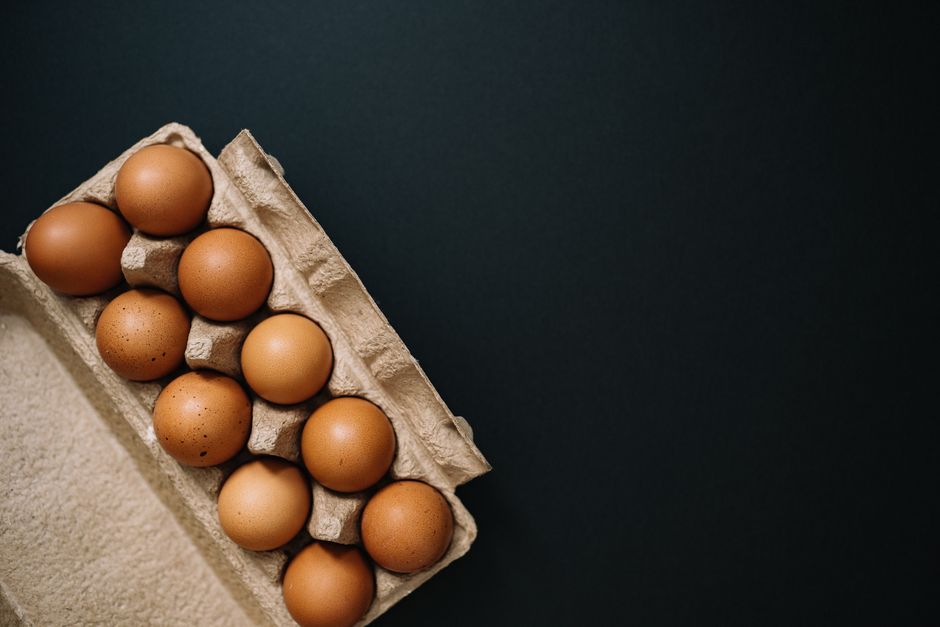
Eggs are one of the most useful foods to keep on hand, and also one of the easiest to get wrong on timing. The short answer: raw eggs in the shell usually keep about three to five weeks from the date you bring them home, even if the carton date has passed. Hard-boiled eggs last about one week in the fridge. Raw leftover yolks or whites keep two to four days. How you store them matters more than most people realize.
Those timelines come from US food safety guidance, and they assume refrigeration. Leave eggs on the counter and the clock runs much faster. This guide covers each type of egg, how to tell whether an egg has gone bad, and the storage mistakes that shorten shelf life without anyone noticing.
How Long Can You Keep Eggs in the Refrigerator?
Refrigerated raw eggs in their shells last roughly three to five weeks from purchase. That window is set by the US Food and Drug Administration and the US Department of Agriculture, and it holds even when the carton’s sell-by date has come and gone.
The reason shell eggs hold up so well is the shell itself. It is porous, but it is coated with a thin natural layer called the bloom or cuticle, which slows moisture loss and helps block bacteria from getting in. Refrigeration slows bacterial growth further. Together, those two things buy you weeks, not days.
Temperature matters. Your refrigerator should run at 40°F (4°C) or below. Eggs stored in the door are the exception to the good news — that is the warmest part of the fridge and the temperature swings every time the door opens. Keep eggs in their original carton on an interior shelf instead.
The carton is not just packaging. It keeps eggs from absorbing odors from other food and protects them from cracks. A cracked shell is a real problem: once the shell is breached, bacteria can reach the inside, and the egg should be used immediately or discarded.
Does the Expiration Date on the Carton Mean Anything?
Yes, but not in the way most people assume. The dates on egg cartons are mostly about quality, not safety.
In the US, carton dates are set by the packer or retailer, and there is no federal requirement that eggs carry a date at all in every state. A “sell-by” or “expiration” date typically falls within about 30 days of packing. That date is a freshness marker. It is not a hard safety cutoff.
An egg kept cold and handled properly can still be perfectly fine a week or two past its carton date. The egg will not announce this, so you need a way to check. The float test and the sniff test both work, and they measure different things.
The float test, explained
Place the egg in a bowl of water. A fresh egg sinks and lies flat on the bottom. An older egg stands up on one end. A very old egg floats.
This works because the shell is porous and the egg slowly loses moisture and takes in air through it over time. The air cell inside grows. More air means more buoyancy. A floating egg has lost enough moisture that it is worth discarding.
Here is the catch: floating tells you the egg is old, not necessarily that it is contaminated. Freshness and safety are related but not identical. Use the float test as a first screen, then confirm with smell.
The sniff test, explained
Crack the egg into a separate bowl, not into your pan or batter. A fresh egg has little odor. A spoiled egg smells distinctly unpleasant — sulfurous or rotten. If it smells wrong, throw it out and wash the bowl before using it again.
Also look at the egg white. A fresh egg has a thick, firm white that holds its shape around the yolk. As an egg ages, the white thins out and spreads. That is a quality change, not a safety one, but it tells you the egg is getting old.
How Long Do Hard-Boiled Eggs Last?
Hard-boiled eggs last about one week in the refrigerator. That is a shorter window than raw shell eggs, and the reason is straightforward: boiling destroys the protective bloom on the shell.
Once that coating is gone, the porous shell is more open to bacteria. The shell also becomes more fragile during boiling and handling, so small cracks are common. Both factors shorten the safe storage window considerably.
Keep hard-boiled eggs in a covered container in the refrigerator, and use them within a week. If you dye eggs for a holiday, the same one-week rule applies from the time they are cooked — but only if they were refrigerated within two hours of cooking and kept cold the whole time. Eggs that sat out as decoration should not be eaten.
Peeled hard-boiled eggs dry out faster and should be eaten within a day or two. If you need them to last, leave the shells on until you are ready to eat.





How Long Do Raw Egg Whites and Yolks Last?
Separated raw eggs keep two to four days in the refrigerator in a covered container. This applies whether you separated them yourself or bought pasteurized liquid eggs.
Raw yolks dry out quickly once separated. Covering them with a small amount of water helps slow that, but you should still use them within a few days. Raw whites hold up slightly better but follow the same window.
Pasteurized liquid eggs sold in cartons often carry their own use-by date, which you should follow. Pasteurization reduces the risk from bacteria like Salmonella, but it does not make the product shelf-stable. Once opened, treat it like any other perishable raw egg product.
Can You Freeze Eggs?
Yes, with one important rule: do not freeze eggs in the shell. The liquid inside expands as it freezes and the shell cracks.
For freezing, crack the eggs and beat the yolks and whites together lightly, or separate them if you only need one part. Raw yolks alone become thick and gel-like when frozen, so add a small amount of salt or sugar to keep the texture usable. Freeze in airtight containers and label them with the date.
Frozen raw eggs are generally best used within about a year, though quality can decline over that time. Thaw them in the refrigerator, not on the counter, and use them promptly once thawed. Frozen eggs work well in baked goods and scrambled dishes but do not hold up as fried or poached eggs.
Hard-boiled eggs do not freeze well. The whites become rubbery and watery. If you have extra hard-boiled eggs, it is better to turn them into egg salad and eat them within a few days.
Storage Mistakes That Shorten Egg Shelf Life
Most egg spoilage in home kitchens comes from handling, not from the eggs themselves. A few common habits cut the safe window short.
- Storing eggs in the refrigerator door, where temperatures fluctuate.
- Leaving eggs at room temperature for more than two hours.
- Washing eggs before storing them, which removes the protective bloom.
- Keeping eggs near strong-smelling foods, since the porous shell absorbs odors.
- Using cracked eggs without cooking them thoroughly.
The washing point is worth pausing on. In the US, commercial eggs are already washed and then re-coated with a thin oil to replace the bloom, which is why they must be refrigerated. If you wash eggs at home before storing them, you strip that protection and shorten the shelf life. Wash them right before you use them instead.
Room temperature is the other big one. Two hours is the limit for raw eggs left out. In hot weather, above 90°F, that drops to one hour. After that, bacteria can multiply to levels that cooking may not fully fix.
How to Tell If an Egg Has Gone Bad
Signs of a spoiled egg are usually clear once you check. Smell is the most reliable signal, followed by appearance.
A spoiled egg smells sulfurous, rotten, or just wrong. The white may be discolored — pink, green, or iridescent — which points to bacterial growth. A yolk that breaks immediately and spreads into a watery white is a sign of age, and often of spoilage. Mold on the shell or inside the carton means discard the egg.
When in doubt, throw it out. The cost of one egg is not worth the risk of foodborne illness, which for Salmonella can mean several days of fever, cramps, and diarrhea. Some people — young children, older adults, pregnant women, and anyone with a weakened immune system — face a higher risk of serious illness. For those groups, cooking eggs thoroughly is the safer choice.
Does Cooking Change the Timeline?
Cooking resets the clock, but not in the direction people expect. Cooked eggs do not last longer than raw ones in most cases — they last less.
Heat kills bacteria in the egg, but it also removes the shell’s protective coating and leaves the egg more vulnerable to contamination from the environment afterward. That is why a hard-boiled egg keeps about a week while a raw shell egg keeps three to five weeks.
Cooked egg dishes like quiche, frittata, and egg salad follow standard leftovers rules. Refrigerate them within two hours of cooking and eat them within three to four days. Egg salad, which combines cooked eggs with mayonnaise and other ingredients, is best eaten within three to five days if kept cold the whole time.
Frequently Asked Questions
How long can you keep eggs in the fridge?
Raw eggs in the shell keep about three to five weeks in the refrigerator from the date you buy them. Hard-boiled eggs keep about one week, and raw separated whites or yolks keep two to four days.
Can you eat eggs after the expiration date?
Often yes, if they have been kept refrigerated and pass the float and sniff tests. Carton dates are mainly freshness markers, not hard safety cutoffs, so an egg a week or two past its date can still be fine.
How do you tell if an egg is bad?
Smell is the most reliable sign — a spoiled egg smells sulfurous or rotten. A floating egg in the float test, a discolored white, or mold on the shell are also reasons to discard it.
Can you freeze raw eggs in the shell?
No, the liquid expands as it freezes and cracks the shell. Crack the eggs, beat or separate them, and freeze them in airtight containers instead.
