
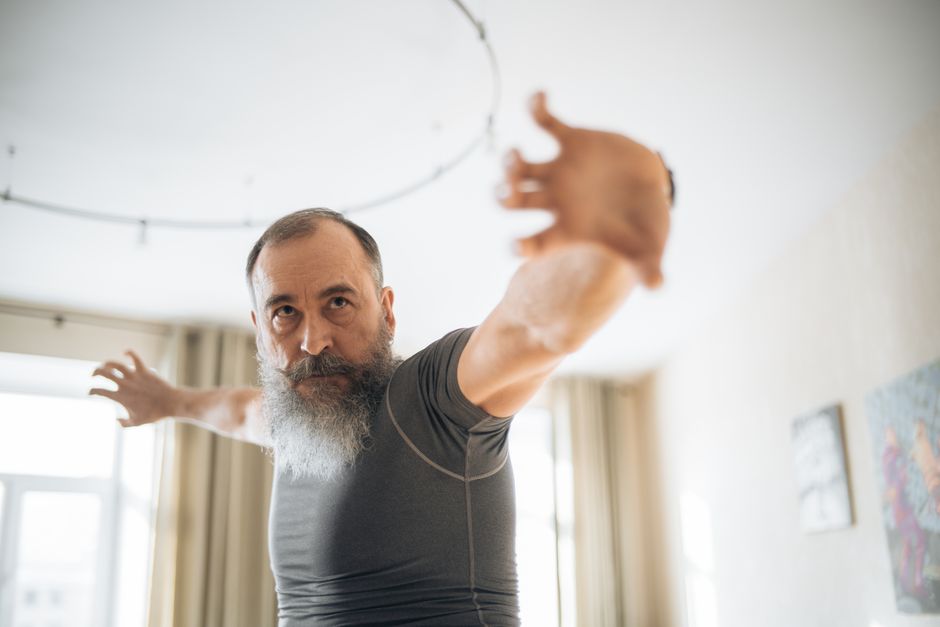
Growing a beard takes time, and most men don’t see full results for two to three months. The average beard grows about half an inch per month, but that number varies from person to person. Genetics, age, and hormones all play a role in how fast and how thick your beard grows. If you are starting from a clean shave, expect a visible shadow within a week, noticeable stubble by week two or three, and a short beard by the two-month mark. Full coverage often takes three to four months for men who can grow one at all.
What Determines How Fast Your Beard Grows?
Beard growth is largely determined by your genetics and your body’s response to testosterone. Testosterone itself does not directly grow hair. Instead, an enzyme in your hair follicles converts testosterone into dihydrotestosterone (DHT). DHT is the hormone that actually stimulates facial hair growth.
Men with more sensitive hair follicles to DHT tend to grow thicker beards. Men with less sensitive follicles grow thinner or patchier facial hair. This sensitivity is inherited, which is why beard patterns often run in families.
Age matters too. Most men see their fullest beard growth between their late twenties and mid-thirties. Younger men in their late teens and early twenties often have patchy growth because their hormonal systems are still settling. Some men do not see full beard maturation until their forties.
How Long Does It Take to Grow a Full Beard?
For most men, a full beard takes three to four months of consistent growth. This timeline assumes you are not trimming the beard itself, only cleaning up the edges. During the first month, the hair is short and may look uneven. This is normal and not a sign that your beard will be patchy forever.
At the two-month mark, the beard begins to look intentional rather than like stubble. By month three, most of the patchiness fills in for men who have good beard genetics. Month four usually marks the point where the beard reaches a length that looks full and styled.
Some men see a complete beard in as little as two months. Others need six months or longer. If you have never grown a beard before, the only way to know your timeline is to commit to at least three months without shaving.
Why Does My Beard Grow Unevenly or Patchy?
Patchy beard growth is the most common reason men give up before the three-month mark. The hair on your cheeks, jawline, and neck grows at different rates. Cheek hair is often the slowest to appear and the thinnest. The mustache and chin area usually grow fastest.
This unevenness is completely normal in the first four to six weeks. What looks like a patchy beard at week three often fills in by week eight. The hairs on your cheeks may simply be on a slower growth cycle than the hairs on your chin.
True patchiness that does not fill in after four months is usually genetic. No product, oil, or vitamin has been proven to create new hair follicles where none exist. Some research suggests that minoxidil, a blood pressure medication, can stimulate facial hair growth in some men, but it is not FDA-approved for this use and can cause side effects. Talk to a dermatologist before considering this approach.




Does Trimming Help Your Beard Grow Faster?
Trimming does not make your beard grow faster. Hair growth happens at the follicle, below the skin. Cutting the visible hair has no effect on the rate of new growth. This is one of the most persistent beard myths.
What trimming does do is make your beard look healthier and more even. When you trim split ends and shape the edges, the beard appears thicker and more intentional. Many men mistake this improved appearance for faster growth.
If you are trying to grow a long beard, resist the urge to trim the length during the first three months. You can clean up the neckline and cheek line, but leave the rest alone. Trimming the length resets your progress and extends the time needed to reach your goal.
How Long to Grow a Beard by Stage
Understanding the stages of beard growth helps set realistic expectations. Here is what most men can expect week by week:
- Week 1: Dark stubble appears. The skin may feel itchy as hair pushes through.
- Week 2-3: Stubble becomes more visible. Patchiness is often most noticeable now.
- Week 4-6: The beard is short but visible. Itching usually subsides as the hair softens.
- Week 8: A short beard is present. Most patchiness begins to fill in.
- Week 12: A full beard is visible for most men with good genetics.
- Month 6: A longer beard with significant volume and length.
These timelines are averages based on clinical observation. Your personal results may differ. The most important factor is consistency. Shaving and restarting resets the entire process.
Does Beard Oil or Supplement Help Growth?
Beard oil does not speed up hair growth. It conditions the hair and moisturizes the skin underneath. This reduces itching, prevents flaking, and makes the beard look healthier. A healthy beard looks thicker because the hairs are softer and lie flat instead of sticking out.
Supplements marketed for beard growth are not supported by strong clinical evidence. Biotin, a B vitamin, is often promoted for hair growth. Research shows biotin only helps people with a confirmed biotin deficiency, which is rare. Most people get enough biotin from their diet.
No supplement has been proven to grow facial hair in men with normal hormone levels. Some products contain ingredients like saw palmetto or collagen, but large human trials have not confirmed these work for beard growth. Save your money and focus on patience and good skincare instead.
What Slows Down Beard Growth?
Certain lifestyle factors can slow beard growth or reduce hair quality. Poor sleep and chronic stress can disrupt hormone levels, including testosterone and cortisol. This disruption may slow hair growth temporarily.
Nutritional deficiencies can also affect hair. Severe deficiencies in iron, zinc, or protein can cause hair loss or slow growth. Most men who eat a balanced diet do not need supplements to correct these issues.
Smoking is linked to reduced blood flow to the skin. This can affect hair follicle health over time. Quitting smoking improves overall skin and hair health, though the effect on beard growth specifically is not well studied.
Medical conditions like alopecia areata or thyroid disorders can cause patchy hair loss, including on the face. If your beard suddenly falls out in patches or never grows in one specific area, see a doctor. This may be a sign of an underlying health issue.
When Should You Give Up on Growing a Beard?
There is no fixed rule for when to stop trying. Most dermatologists suggest giving a beard at least three months before making a final judgment. This allows all hair follicles to complete their growth cycle and reach the surface.
If after three to four months you have large areas with no hair at all, your genetics likely will not produce a full beard. This is not a health problem. It is simply a variation of normal human biology. Some men never grow facial hair beyond a mustache and chin hair.
If your beard is patchy but hair exists in all areas, give it more time. Some men see significant filling in between months four and six. The hair follicles in slower areas may just need a longer growth cycle.
Frequently Asked Questions
How long does it take to grow a full beard?
Most men need three to four months of consistent growth to see a full beard. Some men reach this point in two months while others need six months or more.
Does shaving make your beard grow back thicker?
No. Shaving cuts the hair at the surface and does not change the follicle or the rate of growth. The blunt tip of a shaved hair can feel coarser, which creates the illusion of thickness.
Why is my beard patchy after one month?
Patchiness at one month is normal because hairs on different parts of your face grow at different rates. Cheek hair often lags behind chin and mustache hair. Most patchiness fills in by the three-month mark.
Can beard oil make my beard grow faster?
No. Beard oil conditions the hair and moisturizes the skin but has no effect on the hair follicle or growth rate. It can make your beard look healthier and reduce itching.
