
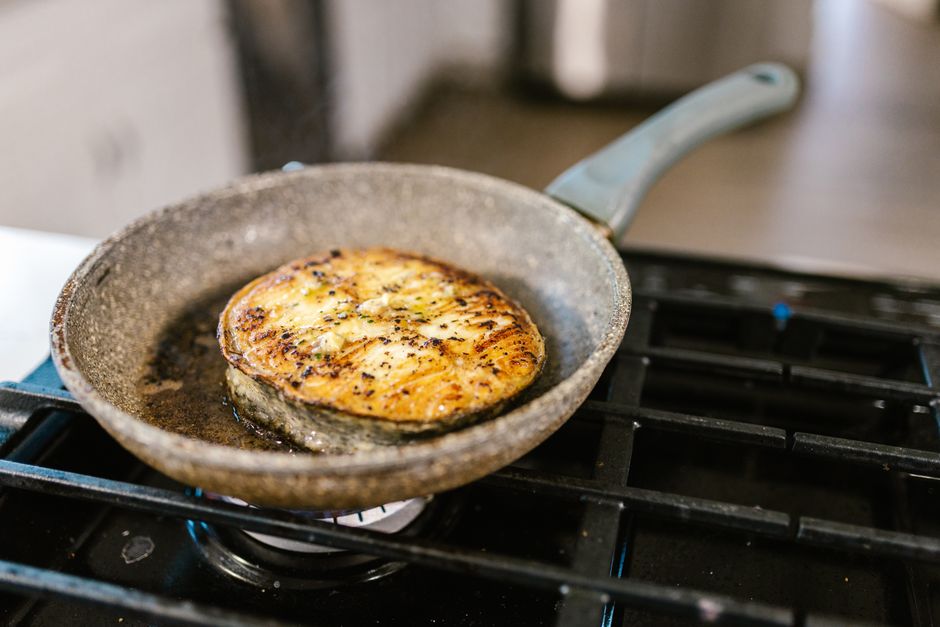
Pan-searing salmon at home takes about 6 to 10 minutes total, depending on the thickness of the fillet and your preferred level of doneness. For a standard 6-ounce fillet that is about 1 inch thick, cook it skin-side down for 4 to 5 minutes, then flip and cook for another 2 to 4 minutes. The fish is done when it reaches an internal temperature of 145°F, which is the safe temperature set by the FDA.
What Is the Exact Timeline for Pan-Seared Salmon?
The most reliable way to time your salmon is by thickness, not by weight. A fillet that is 1 inch thick is the standard most recipes use. For this size, the total stovetop cooking time is roughly 7 to 9 minutes.
Here is the breakdown for a 1-inch thick fillet cooked over medium-high heat:
- Skin-side down: 4 to 5 minutes. This allows the skin to crisp without burning.
- Flesh-side down: 2 to 4 minutes. This finishes the cooking process.
If your fillet is thinner than 1 inch, reduce the total time to about 4 to 6 minutes. If it is thicker than 1 inch, plan for 10 to 12 minutes total. Do not rely on color alone to tell if it is done. Use an instant-read thermometer for accuracy.
How Do You Know When Salmon Is Fully Cooked?
Visual cues can mislead you. Salmon continues to change color as it cooks, but the most reliable indicator is temperature. The FDA recommends cooking fish to an internal temperature of 145°F.
Many chefs prefer to pull salmon off the heat at 125°F to 130°F and let it rest. The residual heat will carry it to a medium doneness. If you prefer your salmon more well-done, aim for the higher end of the range. The texture should flake easily with a fork when it is ready. Undercooked salmon will look translucent in the center and resist flaking.
Does the Skin Side Cook Differently?
Yes. Cooking salmon skin-side down first is standard practice. The skin protects the delicate flesh from direct heat and helps keep the fish moist. It also creates a crispy texture that many people enjoy.
Start with a hot pan and a small amount of oil with a high smoke point, such as avocado or canola oil. Place the fillet skin-side down and press gently with a spatula for about 10 seconds. This prevents the fillet from curling. Do not move the fish during the skin-side cooking phase. Let it cook undisturbed for the full 4 to 5 minutes. When the skin releases easily from the pan, it is ready to flip.




What Temperature Should the Pan Be?
Medium-high heat is the sweet spot for stovetop salmon. If the pan is too hot, the skin will burn before the interior cooks. If the pan is too cool, the salmon will steam rather than sear, and the skin will turn out soft.
A good test is to hold your hand about 2 inches above the pan surface. If you need to pull away after 2 to 3 seconds, the pan is ready. When the fillet hits the pan, it should sizzle immediately but not aggressively splatter. If you see heavy smoke, lower the heat right away.
Should You Cover the Pan While Cooking Salmon?
Covering the pan is not necessary for thin fillets, but it can help with thicker cuts. A lid traps steam and heat, which speeds up cooking from the top. This is useful if your fillet is over 1.5 inches thick and you want the center cooked without charring the outside.
For standard fillets, leave the pan uncovered. An uncovered pan allows moisture to escape, which helps the skin crisp. If you do cover the pan, reduce the heat to medium and check the fish frequently to avoid overcooking.
How Long To Cook Salmon On Stove When It Is Frozen?
Cooking frozen salmon directly in a pan is not recommended. The outside will overcook and dry out long before the center thaws and cooks through. Thaw the salmon in the refrigerator overnight for best results.
If you are short on time, place the sealed salmon in a bowl of cold water for about 30 to 45 minutes. Never use warm or hot water, as this encourages bacterial growth. Once thawed, pat the fillet completely dry with paper towels before placing it in the pan. Excess moisture on the surface will cause the fish to steam instead of sear.
What Mistakes Lead to Dry or Overcooked Salmon?
The most common mistake is overcooking. Because salmon is a lean fish, it dries out quickly when cooked past medium. Pulling the fillet off the heat at 125°F to 130°F and allowing it to rest for 3 to 5 minutes will keep it moist.
Another frequent error is moving the fish too early. Salmon skin will stick to the pan if it is not ready to flip. If you try to force it, the flesh will tear. Wait until the skin releases on its own. A third mistake is cooking at a heat level that is too high. This creates a burnt exterior and a raw center. Medium-high heat with patience produces the best texture.
Does Salmon Continue Cooking After You Remove It From the Pan?
Yes. Carryover cooking is real with fish. The internal temperature will rise by about 5°F to 10°F during the resting period. This is why pulling the salmon off the heat before it reaches your target temperature is important.
If you want a final temperature of 145°F, remove the salmon from the pan at around 135°F to 140°F. Rest it on a clean cutting board or plate for 3 to 5 minutes. Cover it loosely with foil to retain warmth without trapping excess steam. This resting period also allows the juices to redistribute throughout the flesh.
Is It Safe to Eat Salmon That Is Slightly Pink in the Center?
Yes, if the salmon has reached a safe internal temperature. Farmed salmon is safe to eat at 145°F, but many people prefer the texture at lower temperatures. The color of cooked salmon ranges from deep orange to light pink depending on the species. A slightly translucent center does not automatically mean the fish is unsafe.
The only way to know for certain is to check the temperature at the thickest part of the fillet. Insert the thermometer sideways from the edge to reach the center without touching the pan. If the temperature reads 145°F, the fish is safe to eat regardless of its appearance.
Is Wild Salmon Cooked Differently Than Farmed Salmon?
Wild salmon is leaner than farmed salmon. This means it cooks faster and dries out more easily. Reduce the cooking time for wild salmon by about 1 to 2 minutes per side compared to farmed fillets of the same thickness.
Wild salmon also has a firmer texture and a more pronounced flavor. Farmed salmon contains more fat, which makes it more forgiving during cooking. If you are new to cooking salmon, farmed fillets are easier to manage because they tolerate a wider window of cooking times without drying out.
Frequently Asked Questions
How long do you cook salmon on each side?
Cook a 1-inch thick fillet skin-side down for 4 to 5 minutes, then flip and cook for 2 to 4 minutes more. Thinner fillets need less time, and thicker fillets need more.
What internal temperature should salmon reach?
The FDA recommends 145°F for food safety. If you prefer medium-rare texture, pull the salmon at 125°F to 130°F and let it rest.
Do you flip salmon when pan-searing?
Yes. Start skin-side down for most of the cooking time, then flip to the flesh side for the final few minutes. This crisps the skin and cooks the fish evenly.
How do you keep salmon from sticking to the pan?
Heat the pan before adding oil, and wait until the oil shimmers. Do not move the fish during the first few minutes of cooking. The skin will release from the pan when it is ready to flip.
