
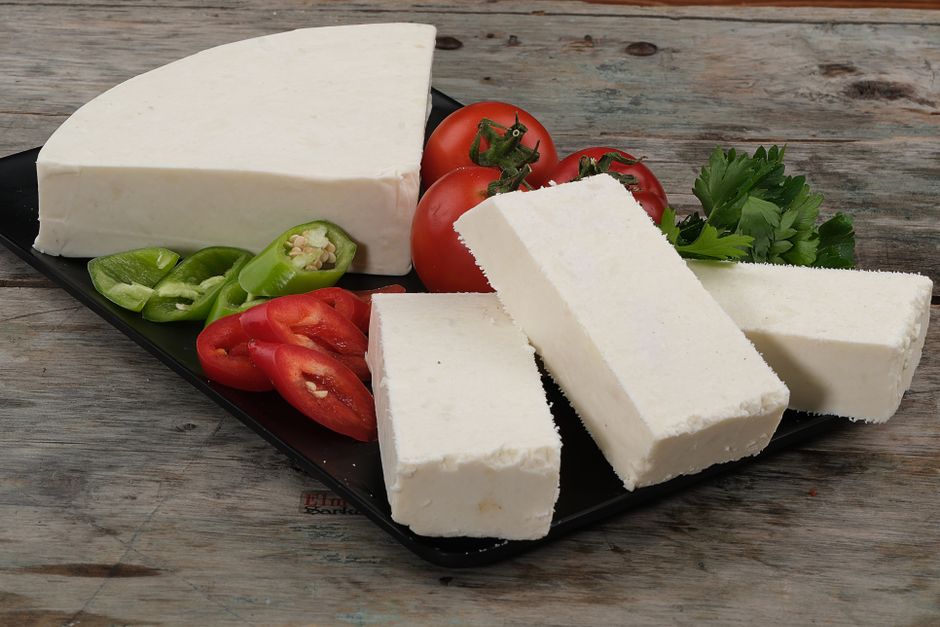
Cottage cheese is a complete protein. Like all dairy foods, it contains all nine essential amino acids your body cannot make on its own. That single fact answers the main question, but it leaves out what matters just as much: how much protein you actually get per serving, how cottage cheese compares with other proteins, and whether “complete” is the whole story.
The short version is that cottage cheese delivers a full set of essential amino acids in a form your body absorbs well. The rest of this article explains what “complete protein” really means, what a serving of cottage cheese provides, and where the honest limits of the evidence sit.
What Does “Complete Protein” Actually Mean?
A complete protein is a food that supplies all nine essential amino acids in adequate amounts. Your body can build the other eleven amino acids it needs, but it cannot make these nine. They must come from food.
The nine essential amino acids are histidine, isoleucine, leucine, lysine, methionine, phenylalanine, threonine, tryptophan, and valine. A protein source is called “complete” when it delivers enough of each one to support the body’s needs.
Animal foods — meat, fish, eggs, and dairy — are generally complete proteins. Most single plant foods are not. That is why people eating largely plant-based diets are often advised to combine sources like rice and beans across the day. The old idea that you had to combine them at every single meal has been largely set aside. The body maintains a pool of amino acids, so balance over the course of a day matters more than any one plate.
Cottage cheese falls firmly into the complete category because it is made from milk. The casein and whey proteins in milk each carry the full set of essential amino acids.
Is Cottage Cheese A Complete Protein What To Know About Its Amino Acid Profile
Cottage cheese contains both casein and whey, the two main proteins in milk. Casein makes up the majority. Both are complete proteins, and together they give cottage cheese a well-rounded amino acid profile.
Whey is notable for being rich in leucine, an amino acid that helps trigger muscle protein synthesis. Casein digests more slowly, which some research suggests may support a longer, steadier release of amino acids into the bloodstream. That slower digestion is one reason cottage cheese is sometimes eaten before bed, though the evidence for that specific timing habit is not strong enough to call it a recommendation.
One point worth clarifying: the word “complete” describes the amino acid profile, not the total amount of protein. A food can be complete and still be low in protein overall. Cottage cheese happens to be both complete and relatively protein-dense, which is part of why it gets attention.
How Much Protein Is In A Serving Of Cottage Cheese?
The protein content depends heavily on the type you buy. Regular cottage cheese is higher in protein per serving than most people expect, and lower-fat versions tend to be more concentrated.
According to USDA nutritional data, a half-cup serving (about 113 grams) of low-fat cottage cheese with 2% milkfat provides roughly 12 grams of protein. A half-cup of the nonfat version is close to 13 grams. Regular creamed cottage cheese is somewhat lower, closer to 11 grams, because it contains more fat and moisture relative to protein.
That puts cottage cheese in a useful range. A half-cup serving delivers protein comparable to about two eggs, with a different texture and a different nutrient mix. The exact numbers shift a little between brands and serving sizes, so check the label if you are tracking intake closely.
Here is how cottage cheese stacks up against a few common protein foods per typical serving:
| Food | Typical serving | Protein (approx.) | Complete protein? |
|---|---|---|---|
| Cottage cheese, 2% milkfat | 1/2 cup | ~12 g | Yes |
| Greek yogurt, plain | 1/2 cup | ~10 g | Yes |
| Eggs | 2 large | ~12 g | Yes |
| Black beans | 1/2 cup cooked | ~8 g | No (incomplete on its own) |
| Chicken breast | 3 oz cooked | ~26 g | Yes |
These figures are approximate and drawn from standard USDA reference values. Actual amounts vary by brand and preparation.


Does Cooking Or Processing Change The Protein In Cottage Cheese?
No. Cooking cottage cheese does not break down its protein in any meaningful way. Heat can alter texture and cause some separation, but the amino acids remain intact.
Processing is a different question. Cottage cheese is made by adding acid or cultures to milk, which causes the casein proteins to curdle and separate from the liquid whey. The finished product still contains the full amino acid set. Some whey is lost in the liquid that drains off, but the protein that remains is complete.
What can change is the protein content per serving if a manufacturer adds ingredients. Some flavored or “whipped” cottage cheese products include stabilizers, extra cream, or sweeteners that dilute the protein-to-calorie ratio. Plain cottage cheese is the most predictable choice if protein is your goal.
Is Cottage Cheese A Good Protein Source Compared With Other Foods?
Cottage cheese is a solid protein source, but “good” depends on what you are comparing it to and what else you need from your food. It is not the highest-protein food per serving. Chicken, fish, and lean meat deliver more protein per ounce. What cottage cheese offers is a complete protein with a favorable nutrient package alongside it.
It provides calcium, which most adults do not get enough of, along with some phosphorus and B vitamins. It is also relatively low in calories for the protein it delivers, especially the lower-fat versions. That combination is why it appears often in weight management and muscle-building contexts.
It is also worth being clear about what cottage cheese does not do. No single food builds muscle or drives weight loss on its own. The evidence for high-protein diets supporting muscle maintenance and satiety is reasonably consistent, but that reflects the overall diet, not cottage cheese specifically.
Who Should Be Careful With Cottage Cheese?
Most people can eat cottage cheese without issue. A few groups have genuine reasons to be mindful.
- People with lactose intolerance may react to the lactose that remains in cottage cheese. Hard aged cheeses tend to be lower in lactose; cottage cheese is moderate. Lactose-free versions exist.
- People with a milk allergy should avoid cottage cheese entirely. This is different from lactose intolerance — it is an immune response to milk proteins and can be serious.
- People watching sodium should check labels. Cottage cheese is often relatively high in salt, and sodium content varies widely between brands.
- People on kidney-restricted diets may need to limit protein and phosphorus. That is a conversation for a clinician, not a general rule.
For pregnancy and breastfeeding, cottage cheese made from pasteurized milk is generally considered safe in standard dietary guidance. Unpasteurized dairy should be avoided during pregnancy. If you have specific medical conditions, the right source of advice is your own clinician.
The Bottom Line On Complete Protein
Cottage cheese is a complete protein because it comes from milk and carries all nine essential amino acids. A half-cup serving of the 2% version delivers roughly 12 grams of protein, along with calcium and other nutrients. It is a practical, versatile protein food rather than a special one.
The word “complete” is accurate but modest. It tells you the amino acid profile is full. It does not tell you cottage cheese is superior to eggs, fish, or yogurt — it is simply one good option among many. If you are building a diet around adequate protein, cottage cheese earns a place at the table on the strength of its numbers, not its reputation.
Frequently Asked Questions
Is cottage cheese a complete protein?
Yes. Cottage cheese contains all nine essential amino acids because it is made from milk, which is a complete protein source.
How much protein is in a half cup of cottage cheese?
A half-cup serving of 2% milkfat cottage cheese provides about 12 grams of protein, based on USDA data. Nonfat versions are slightly higher and full-fat versions slightly lower.
Is cottage cheese better than Greek yogurt for protein?
They are close. Cottage cheese is often slightly higher in protein per half-cup serving, but the difference is small and depends on the specific products.
Can you get complete protein from cottage cheese on a vegetarian diet?
Yes. Cottage cheese is a complete protein and suits lacto-vegetarian diets, since it contains dairy but no meat.
