
A sore throat usually gets better within a week, whether it is caused by a virus or by something else. Most people feel noticeably better in 2 to 3 days, and the discomfort is largely gone by day 7. If it lasts longer than that, or if it comes with a high fever, trouble swallowing, or a stiff neck, it is time to see a doctor.
That short answer covers the common case. The rest of this article explains why the timeline shifts depending on the cause, what symptoms point to something that needs treatment, and which home measures actually help.
How Long Does a Sore Throat Usually Last?
A typical sore throat lasts about 3 to 7 days. The first day or two tend to be the worst. Pain when swallowing is common early on, then eases.
Viral sore throats, which are the large majority, follow this pattern. They often arrive with a runny nose, cough, or hoarse voice. The throat symptoms usually fade as the cold or flu symptoms fade.
Bacterial infections can run a similar course, but they do not improve on their own the way viral ones do. A sore throat caused by group A streptococcus, the bacteria behind strep throat, will often persist and worsen without antibiotics. When it is treated, symptoms typically improve within a day or two, though the full course of antibiotics still needs to be finished.
Some sore throats last longer than a week for reasons that have nothing to do with infection. Dry air, smoking, acid reflux, and allergies can all keep the throat irritated for weeks. Those causes do not resolve on a 7-day schedule because the trigger is still present.
What Causes a Sore Throat and How Does That Change the Timeline?
The cause is the single biggest factor in how long a sore throat lasts. Two people with the same level of pain can have very different timelines depending on what is driving it.
Viral infections are the most common cause by a wide margin. The common cold, influenza, COVID-19, and other respiratory viruses all inflame the throat lining. This inflammation is the source of the pain. As the immune system clears the virus, the inflammation settles and the pain goes with it.
Bacterial infections are less common but more likely to need medical treatment. Strep throat is the best-known example. It tends to cause a sudden sore throat without the cough and runny nose that usually come with a cold.
Other causes behave differently:
- Allergies cause irritation that lasts as long as the allergen is around, which can be weeks during a pollen season.
- Acid reflux exposes the throat to stomach acid, often at night, and can cause a sore throat that lingers for weeks if the reflux is not addressed.
- Dry air, especially in winter or from heating systems, dries out the throat lining and causes ongoing mild irritation.
- Smoke and chemical fumes irritate the throat directly and keep it sore as long as exposure continues.
- Vocal strain from shouting or prolonged talking can leave the throat sore for a day or two.
One point that surprises many people: the appearance of the throat is a poor guide on its own. A red throat or white patches can appear with both viral and bacterial infections. A doctor cannot reliably tell them apart by looking alone, which is why a rapid strep test or throat culture is used when strep is suspected.
When Should You See a Doctor for a Sore Throat?
See a doctor if the sore throat lasts more than a week, or if it comes with any of the warning signs below. These signs suggest something that may need treatment or that could be more serious than a routine infection.
Warning signs include:
- A fever above 101°F (38.3°C)
- Difficulty swallowing saliva or breathing
- Drooling, which can signal a blocked airway
- A stiff neck or severe headache
- Swelling on one side of the throat only
- A muffled or “hot potato” voice
- Rash along with the sore throat
- Blood in the saliva
- Symptoms that keep getting worse instead of better
Difficulty breathing, drooling, or a stiff neck are reasons to seek care right away. These can point to conditions that need urgent treatment.
For most adults, a sore throat that is improving day by day does not need a doctor visit. The key word is improving. A sore throat that plateaus or worsens after the first few days is worth a call.





What Actually Helps a Sore Throat Feel Better?
Most home measures for a sore throat ease the pain without shortening how long it lasts. That distinction matters. Gargling salt water, drinking warm tea, and using throat lozenges can make the day more comfortable, but they do not clear the infection faster.
Measures that tend to help with comfort:
- Drinking plenty of fluids to keep the throat moist
- Warm liquids such as tea or broth
- Cold foods or drinks, which can numb the throat
- Salt water gargling
- Humidified air, especially at night
- Resting the voice
- Over-the-counter pain relievers such as acetaminophen or ibuprofen
Over-the-counter pain relievers reduce pain and fever. They do not treat the underlying cause. Anyone with liver or kidney conditions, or who takes other medications, should check with a pharmacist or doctor before using them.
Antibiotics only help bacterial infections. They do nothing for viral sore throats, which are the majority. Taking antibiotics when they are not needed does not speed recovery and adds risks, including side effects and antibiotic resistance. This is why testing matters before antibiotics are prescribed.
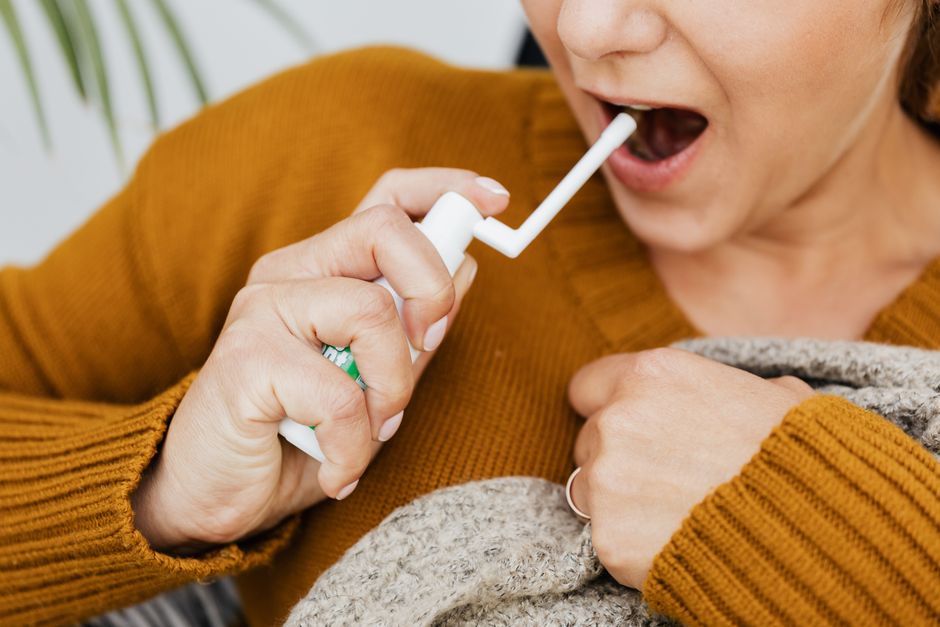
One honest note: many popular remedies, including some sprays and lozenges, have limited evidence behind them. They may soothe the throat briefly, but no strong evidence shows they shorten the illness.
Does a Sore Throat Last Longer in Children or With a Cold?
Children tend to get sore throats more often than adults, but the typical duration is similar. A viral sore throat in a child usually clears in about a week.
Strep throat is more common in children between ages 5 and 15 than in adults. When a child has strep, symptoms often improve within a day or two of starting antibiotics. Children should stay home from school until they have been on antibiotics for at least 12 to 24 hours and are fever-free, following their doctor’s guidance.
A sore throat that comes with a cold usually follows the cold’s timeline. Colds tend to peak in a few days and resolve within about a week to 10 days. The sore throat often shows up early and fades before the cough does.
Young children may not be able to describe a sore throat. Signs to watch for include refusing to eat or drink, unusual fussiness, drooling, or a change in voice. A child who will not swallow or is breathing with effort needs medical care right away.
Can a Sore Throat Last for Weeks?
Yes, and when it does, the cause is usually not an infection. A sore throat lasting weeks is often linked to ongoing irritation rather than a single illness.
Common reasons a sore throat lingers:
- Acid reflux, which can irritate the throat for weeks or longer
- Allergies, which last through the allergy season
- Dry air from heating or low humidity
- Smoking or secondhand smoke
- Post-nasal drip, where mucus drips down the back of the throat
- Vocal strain from work or habits that use the voice heavily
A sore throat that lasts more than two weeks, or that comes with a lump in the throat, unexplained weight loss, or a persistent hoarse voice, should be evaluated by a doctor. These signs do not confirm a serious condition, but they are reasons to get checked rather than wait.
The key takeaway is simple. A sore throat that clears in about a week is usually routine. One that lingers, worsens, or comes with warning signs deserves a closer look.
Frequently Asked Questions
How long does a sore throat last with a cold?
A sore throat from a cold usually lasts about 3 to 7 days and often fades before the cough does. Colds overall tend to resolve within about a week to 10 days.
How long is a sore throat contagious?
If a virus or bacteria is the cause, a person is usually contagious while symptoms are present and for a short time before and after. Staying home while feverish and washing hands often reduces spread.
When should a sore throat that lasts more than a week be checked?
A sore throat lasting longer than a week should be evaluated by a doctor. Causes like reflux, allergies, or a bacterial infection may need specific treatment.
Does strep throat last longer than a viral sore throat?
Untreated strep throat can last longer and may worsen, while a viral sore throat usually improves within a week. With antibiotics, strep symptoms often improve within a day or two.
