
Chia seeds do not need to be soaked at all to be safe to eat, but soaking them for at least 20 to 30 minutes creates a gel-like texture that most people find more pleasant. If you want a thicker pudding, soak them overnight, or for about 8 hours. The timing depends entirely on the texture you want, not on safety or nutrition.
Why Do Chia Seeds Need to Be Soaked at All?
Chia seeds are not toxic when eaten dry. You can sprinkle them on yogurt or add them to a smoothie without soaking them first. Many people do this every day without any problems.
The real reason people soak chia seeds is texture. Dry chia seeds are crunchy and bland. When soaked, they absorb many times their weight in water and form a gel. This gel is what gives chia pudding its thick, tapioca-like consistency.
There is one practical reason to soak them before eating a large amount. Dry chia seeds absorb liquid in your digestive tract. If you eat a large quantity without liquid, they could absorb fluid from your esophagus on the way down. This is uncomfortable and, in rare cases, could cause blockage. Soaking them first eliminates this risk entirely.
How Long Should You Soak Chia Seeds?
The minimum soak time is about 20 minutes. At this point, the seeds have absorbed enough liquid to form a gel and lose their dry crunch. The texture is still slightly grainy but pleasant.
For a standard chia pudding, soak for 2 to 4 hours. This gives a smooth, uniform gel with no crunchy center. Most recipes call for this range because it produces a consistent result without requiring you to plan a full day ahead.
For the thickest, most pudding-like texture, soak overnight. This means 8 to 12 hours. The seeds reach maximum liquid absorption and the mixture becomes firm enough to hold its shape when spooned. Some people even find overnight chia pudding too thick and add extra liquid in the morning.
There is no benefit to soaking longer than 12 hours. The seeds stop absorbing water after this point. Leaving them for 24 hours or more does not improve texture and may allow the mixture to spoil if left at room temperature.
Does Soaking Time Change the Nutrition?
Soaking does not change the nutritional content of the seeds themselves. The fiber, protein, omega-3 fatty acids, and minerals remain intact regardless of how long you soak them.
What changes is how your body handles them. Soaked chia seeds release their nutrients more gradually. The gel slows digestion, which can help stabilize blood sugar after a meal. Some research suggests this is why soaked chia seeds may be more filling than dry ones.
One thing to keep in mind: chia seeds absorb liquid, not nutrients from the liquid. Soaking them in milk, juice, or plant-based milk does not add meaningful nutrition to the seeds. It simply flavors the gel.
The liquid you choose does matter for calorie content. Chia seeds themselves are about 60 calories per tablespoon. If you soak them in sweetened milk or juice, you add those calories to the final product. Unsweetened water or plain milk keeps the calorie count lower.





What Is the Right Ratio of Chia Seeds to Liquid?
The standard ratio is 1 part chia seeds to 4 parts liquid. This produces a pudding that is thick but still spoonable. For example, 1/4 cup of chia seeds mixed with 1 cup of liquid makes a single serving of pudding.
If you prefer a thinner drink, use 1 part chia seeds to 6 or 8 parts liquid. This is common for chia fresca, a Mexican drink made with water, lime, and sugar. The seeds stay suspended in the liquid and you drink them with a straw.
If you want a very firm pudding, use 1 part chia seeds to 3 parts liquid. This creates a dense, almost mousse-like texture. It works well for layered desserts or parfaits.
Stir the mixture thoroughly right after combining. Chia seeds clump together if left undisturbed. Stir again after 5 minutes to break up any clumps that formed. Then let it sit for your chosen soak time.
Does the Liquid Temperature Matter?
Yes. Hot liquid speeds up the gelling process significantly. Chia seeds soaked in hot water or hot milk can form a gel in as little as 10 minutes. This is useful if you are in a hurry.
Cold liquid takes longer. In the refrigerator, chia seeds need at least 2 hours to reach a pudding-like consistency. Overnight is the standard approach for cold-soaked chia.
Warm liquid, like room-temperature milk or water, works at the standard pace of 20 to 30 minutes for a basic gel.
There is no nutritional difference between hot and cold soaking. The temperature only affects how quickly the gel forms.
Can You Eat Chia Seeds Without Soaking Them?
Yes. Many people eat dry chia seeds regularly. They add them to smoothies, sprinkle them on salads, or mix them into baked goods without soaking first.
The main caution is to drink enough liquid with them. If you eat a tablespoon of dry chia seeds, follow it with a glass of water. This prevents any discomfort from the seeds expanding in your throat or stomach.
People with swallowing difficulties should always soak chia seeds before eating them. The dry seeds can be a choking hazard for anyone with dysphagia or other swallowing problems. This is a genuine safety concern, not a theoretical one.
Children under a certain age should also have soaked chia seeds rather than dry ones. The gel texture is easier to swallow safely than the dry, crunchy seeds.
How to Tell When Chia Seeds Are Done Soaking
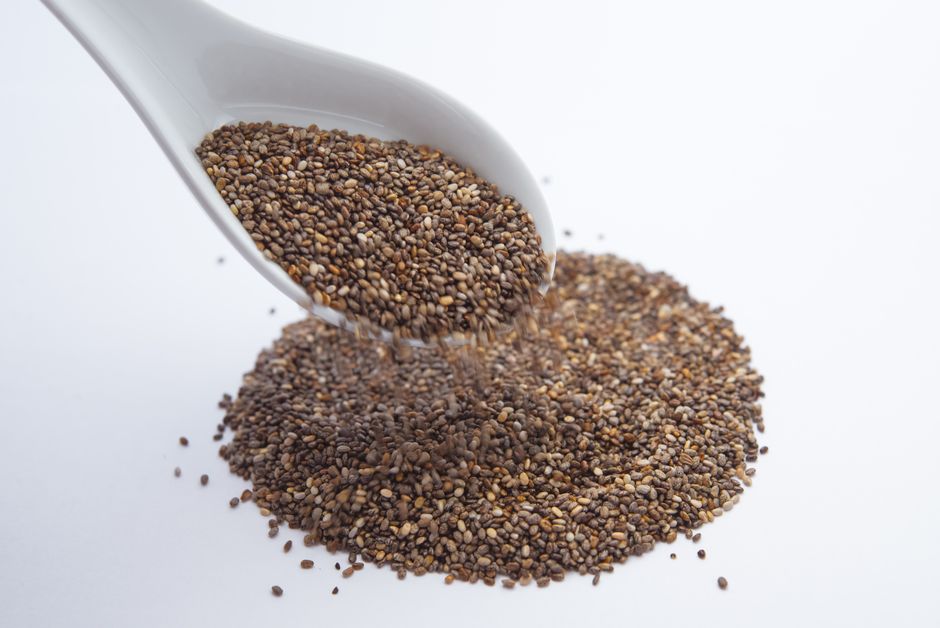
The visual cue is simple: the seeds should look plump and translucent. Dry chia seeds are small, dark, and have a visible white speck on one end. When fully hydrated, they swell to several times their size and develop a clear gel coating around each seed.
Stir the mixture. If it moves like a thick liquid, it needs more time. If it holds its shape briefly when you stop stirring, it is ready.
Taste one seed. If it is still crunchy in the center, it needs more time. If it is soft and jelly-like throughout, it is done.
One common mistake is under-soaking and then complaining about the texture. If your chia pudding tastes gritty, it simply was not soaked long enough. Give it another 30 minutes and check again.
Does Soaking Remove Any Antinutrients?
Chia seeds contain phytic acid, a compound that can bind to minerals and reduce their absorption. Soaking reduces phytic acid levels in many seeds and grains.
Some research suggests that soaking chia seeds reduces their phytic acid content, which could improve mineral absorption. However, the effect is modest, and chia seeds are not a primary source of phytic acid in most diets.
Do not overstate this benefit. The practical difference in mineral absorption from soaked versus unsoaked chia seeds is small. If you eat a varied diet, this is unlikely to matter for your overall nutrition.
Frequently Asked Questions
Can I soak chia seeds for just 5 minutes?
Five minutes is not enough time for chia seeds to form a proper gel. They will still be crunchy and will not bind together, so the texture will be unpleasant in a pudding.
Can you soak chia seeds too long?
Chia seeds stop absorbing water after about 12 hours, so soaking longer does not improve them. Leaving them at room temperature for over 24 hours can allow bacteria to grow, so refrigerate any soak lasting more than a couple of hours.
Do chia seeds need to be soaked in the refrigerator?
Refrigeration is only necessary for soaks longer than 2 hours. A 20- to 30-minute soak at room temperature is safe, but any longer soak should go in the fridge to prevent spoilage.
What happens if you eat unsoaked chia seeds?
Unsoaked chia seeds are safe to eat as long as you drink enough liquid with them. They will absorb fluid in your digestive tract, which is why dry seeds should always be followed by a glass of water.
