
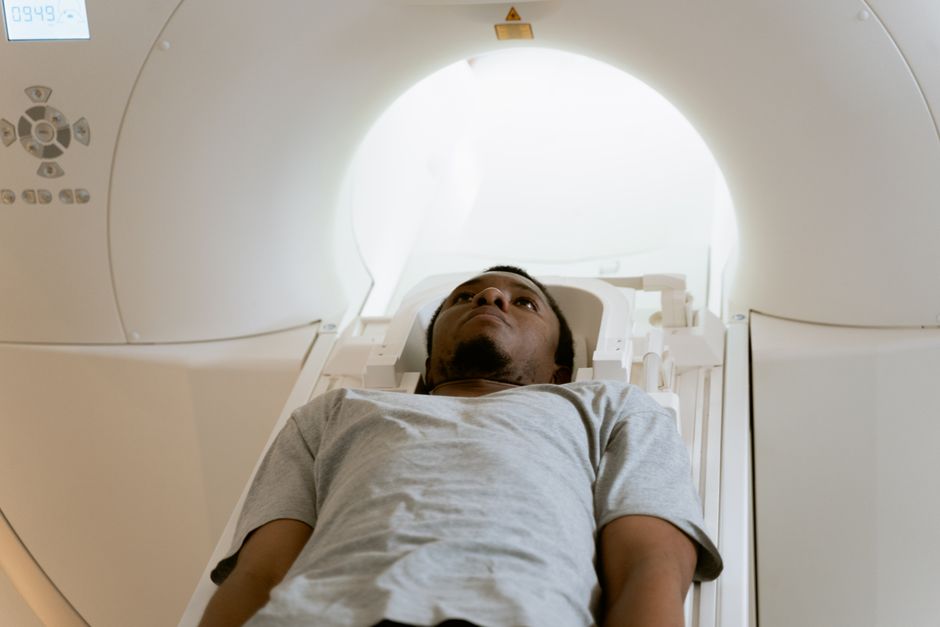
A PET scan itself usually takes 20 to 40 minutes. The full appointment, from check-in to walking out, typically runs about 2 to 3 hours because of the injection and the waiting period before scanning begins. Understanding each step helps you plan your day and know what to expect.
How Long Are PET Scans From Start to Finish?
Plan for 2 to 3 hours at the facility, even though the scanner is only running for part of that time. The scan itself is short. Everything around it takes longer.
Here is how a typical appointment breaks down:
- Check-in and screening: 15 to 30 minutes. Staff review your history, check blood sugar if you are having a glucose-based scan, and confirm you have followed preparation instructions.
- Radiotracer injection: a few minutes. A small amount of radioactive tracer is injected into a vein, usually in your arm.
- Uptake waiting period: 45 to 90 minutes. You rest quietly while the tracer distributes through your body and collects in the tissues being studied.
- The scan: 20 to 40 minutes. You lie still on a table that moves through a ring-shaped scanner.
- Post-scan: 10 to 15 minutes. Staff check the images, and you are usually free to leave.
Total time varies by facility, the type of scan, and whether your doctor ordered a combined PET/CT or PET/MRI. A PET/CT adds a computed tomography scan to the same appointment, which can extend the scanning portion. Some centers also schedule a separate CT for a different day.
What Happens During a PET Scan?
Positron emission tomography shows how your tissues are functioning, not just what they look like. That is the key difference between PET and a standard X-ray or CT scan.
Before the scan, you receive a radiotracer. The most common one is a form of glucose called fluorodeoxyglucose, or FDG. Cells that use a lot of glucose take up more of the tracer. Cancer cells, for example, often consume glucose faster than normal cells. Areas of active inflammation can also take up FDG.
Once the tracer has had time to circulate, you lie on a table that slides into the scanner. The machine detects the gamma rays the tracer emits and builds a three-dimensional image. You need to stay very still during this part. Movement blurs the images and may mean repeating part of the scan.
For some scans, you may be asked to hold your arms above your head or in another position. You can breathe normally. The scan is not painful. Some people find the table firm or the enclosed space uncomfortable, but most complete it without difficulty.
Why Does the Waiting Period Take So Long?
The waiting period exists because the tracer needs time to reach the tissues being studied. Injecting it and scanning immediately would not produce useful images.
During this time, you typically rest in a quiet room and avoid talking, moving around, or using your phone. Physical activity pulls glucose into muscles, which can create bright spots on the scan that are hard to tell apart from areas of medical concern. Talking can affect uptake in the muscles of the throat and neck.
You may be asked to drink water during the wait and to empty your bladder before scanning. This helps clear tracer from the urinary system so it does not obscure nearby structures.
If you are having a scan that does not use FDG, the timing may differ. Some tracers require shorter or longer uptake periods. The technologist will tell you what to expect for your specific scan.





Does a PET Scan Take Longer Than a CT or MRI?
A PET scan generally takes longer than a CT scan and about the same or slightly less time than an MRI, but the comparison depends on which body area is being imaged.
A CT scan of a single body region often takes just a few minutes on the table. An MRI can run from 15 minutes to over an hour depending on the study. A PET scan’s 20 to 40 minutes sits between them, but the total appointment time for PET is longer than either because of the injection and uptake period.
A PET/CT combines both technologies in one session. The CT portion is often used to correct and sharpen the PET images rather than as a full diagnostic CT on its own. When a full diagnostic CT is also needed, the appointment can run longer.
How to Prepare So Your Scan Stays on Schedule
Following preparation instructions closely is the most reliable way to avoid delays or a repeat scan. Most facilities send written instructions ahead of time.
Common requirements for an FDG PET scan include:
- Fasting for several hours before the appointment. The exact number of hours is set by your facility.
- Avoiding strenuous exercise for about 24 hours beforehand, since muscle activity can distort results.
- Limiting caffeine and avoiding alcohol and tobacco in the hours before the scan.
- Holding certain medications if your doctor instructs you to. Never stop a prescription on your own.
- Wearing comfortable, metal-free clothing. You may need to change into a gown.
Blood sugar matters for FDG scans. High blood glucose can compete with the tracer and reduce image quality. If you have diabetes, your care team will give you specific instructions about food, insulin, and oral medications. Follow those instructions exactly, and call the facility if your blood sugar is out of your usual range on the day of the scan.
Tell the staff if you are pregnant, might be pregnant, or are breastfeeding. The guidance here is specific and important, and it comes from your care team rather than from general rules. In general, PET scans are avoided during pregnancy unless the expected benefit clearly outweighs the risk, and breastfeeding mothers are usually given instructions about interrupting feeding for a period after the scan. The exact duration depends on the tracer used. Ask your doctor or the imaging facility for the current recommendation for your situation.
What Affects How Long Your Scan Takes?
The body area being imaged is the biggest factor. A scan covering the whole body takes longer than one focused on a single region.
Other factors that can add time:
- Repeat imaging. If you moved or the images are unclear, part of the scan may be redone.
- Additional views. The radiologist may request extra images of a specific area.
- Combined studies. A PET/CT or PET/MRI adds time compared with PET alone.
- Delayed imaging. Occasionally a second set of images is taken hours later to clarify a finding.
- Facility workflow. Busy centers may have longer waits between steps.
Delayed imaging is worth knowing about in advance. It is not routine for every scan, but when it happens it can extend your visit well beyond the usual window. If you have obligations later that day, it helps to keep the afternoon flexible.
What Happens After the Scan?
You can usually resume normal activities right away. The tracer leaves your body over time, mostly through urine and stool.
Drinking plenty of water after the scan helps flush the tracer out faster. For a short period, you may be advised to limit close contact with pregnant women and small children. This is a precaution based on radiation exposure. The specifics depend on the tracer and dose, so follow whatever instructions your facility provides rather than relying on general rules.
The radiation dose from a PET scan is in the range used in other diagnostic nuclear medicine procedures. It is not considered dangerous at diagnostic levels, but it is not zero. This is one reason scans are ordered when there is a clear clinical question to answer rather than as a routine screening test in people without symptoms.
Results are not usually available the same day. A radiologist reviews the images and sends a report to your referring doctor, which typically takes a few days. Ask your doctor’s office when and how you will receive results so you are not left waiting without information.
Does the Scan Length Change the Results?
No. A longer or shorter scan does not mean a better or worse result. What matters is image quality and whether the tracer reached the tissues being studied.
Different facilities use different protocols, and scan times vary between them without affecting accuracy. If your appointment runs longer than you expected, it usually reflects logistics or additional imaging, not a problem with your results.
If you are comparing appointment lengths between centers, focus on whether the center performs the specific type of scan your doctor ordered. Not every facility offers every tracer or combined study.
Frequently Asked Questions
How long does a PET scan take?
The scan itself takes about 20 to 40 minutes. The full appointment usually runs 2 to 3 hours because of the injection and the waiting period before scanning.
Can I drive myself home after a PET scan?
Yes, in most cases you can drive yourself unless you received sedation, which is not standard for PET scans. Check with your facility, since some ask that you arrange a ride as a precaution.
Why do I have to wait after the injection?
The tracer needs time to circulate and collect in the tissues being studied. Scanning immediately would not produce clear or useful images.
Is a PET scan painful?
No. The injection feels like a brief pinch, and the scan itself is painless. You lie still on a table while the scanner moves around you.
