
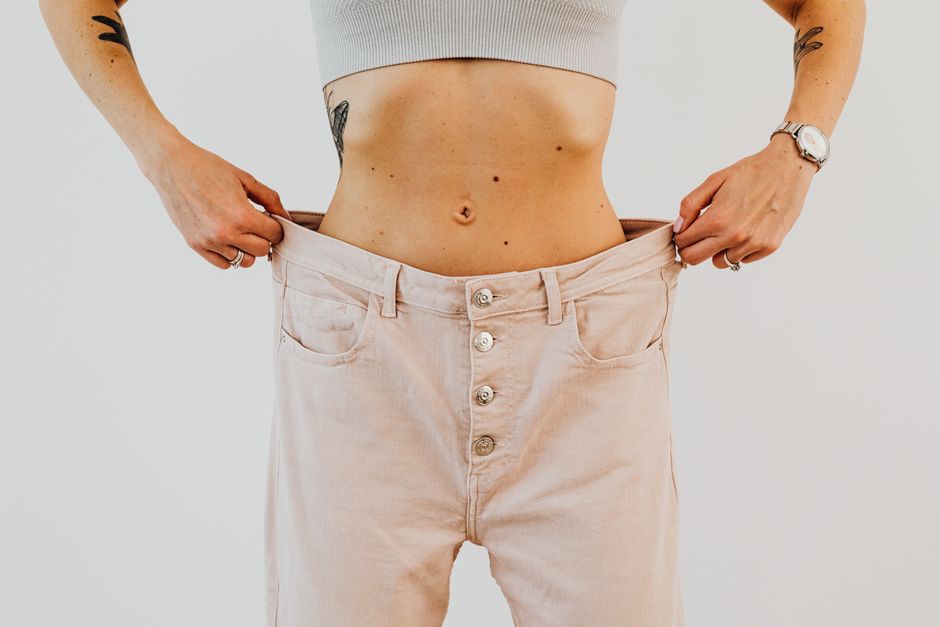
Most women do not lose all their pregnancy weight in the first few weeks. A realistic timeline is six to twelve months, though many women take up to two years. The number on the scale is only part of the picture. Your body changes shape, muscle tone, and fat distribution during pregnancy, and those changes do not reverse on a set schedule.
What Happens to Your Body Right After Birth
The most rapid weight loss happens in the first two weeks after delivery. This is not fat loss. It is the body releasing the fluids and tissues that supported the pregnancy.
You lose the baby’s weight, the placenta, and the amniotic fluid. Your blood volume, which increased by about 50 percent during pregnancy, begins to return to normal. Swelling in your hands, feet, and face usually fades during this time.
Most women lose roughly 10 to 15 pounds in the first two weeks. This number varies based on your baby’s size and how much fluid you retained. This early drop is biological, not behavioral. It happens whether you exercise or not.
The uterus also begins shrinking back toward its pre-pregnancy size. This process takes about six weeks. It contributes to your abdomen feeling less distended, though it does not remove stretched skin or separated abdominal muscles.
Typical Timelines for Losing the Rest
After the initial fluid loss, weight loss slows considerably. The remaining weight is mostly fat stored during pregnancy for energy and breastfeeding.
Research consistently shows that most women lose about half of their pregnancy weight by six weeks postpartum. By six months, many women have lost most of it. However, studies also show that a significant number of women retain some weight beyond one year.
One large study found that about 14 to 20 percent of women still carried 10 or more pounds above their pre-pregnancy weight at one year. Another found that the average woman retains about 2 to 5 pounds per child over the long term.
These are averages, not predictions. Your timeline depends on several factors you control and several you do not.
What Slows Down Postpartum Weight Loss
Sleep disruption is one of the strongest factors. Studies consistently link short sleep with higher postpartum weight retention. When you are exhausted, hunger hormones shift. Ghrelin rises, which increases appetite. Leptin falls, which reduces the feeling of fullness. This is a physiological response, not a character flaw.
Stress also matters. Cortisol, the primary stress hormone, promotes fat storage around the abdomen. New parenthood is stressful. That stress can work against weight loss even when diet and exercise are consistent.
Thyroid changes are common after pregnancy. Some women develop postpartum thyroiditis, a temporary inflammation of the thyroid gland. It can cause weight gain or loss depending on the phase. If you feel unusually fatigued, cold, or are gaining weight despite eating well, ask your doctor about a thyroid test.
Breastfeeding has a mixed effect. It burns roughly 300 to 500 calories per day. Some women lose weight easily while nursing. Others find that breastfeeding increases appetite more than the calorie burn compensates for. Both responses are normal.



Diastasis Recti and Body Shape
Weight is not the only metric. Many women notice their abdomen looks different even at their pre-pregnancy weight. This is often due to diastasis recti, a separation of the two large abdominal muscles that run down the middle of your belly.
This separation is normal during pregnancy. The connective tissue stretches to make room for the growing uterus. For some women, it closes on its own within a few months. For others, the gap remains. Diastasis recti does not prevent weight loss, but it can make the belly protrude regardless of body fat.
Pelvic floor weakness is another common change. It does not affect the scale, but it affects how your clothes fit and how your core feels during exercise. Many women benefit from working with a physical therapist who specializes in postpartum recovery before returning to high-impact exercise.
How to Approach Postpartum Weight Loss Safely
The postpartum body needs time to heal. The uterus takes six weeks to return to its pre-pregnancy size. The pelvic floor and abdominal muscles need gradual strengthening. Hormones shift significantly, especially if you are breastfeeding.
Most doctors advise waiting until your six-week checkup before starting a structured exercise routine. This is not a strict rule for everyone. Light walking is safe immediately after birth if you feel up to it. But high-impact exercise, heavy lifting, or intense core work should wait until you have been cleared.
When you do start exercising, focus on rebuilding foundational strength first. Pelvic floor exercises and gentle core engagement are appropriate early. High-impact cardio can be added gradually. Listen to your body. If something hurts, stop.
For nutrition, the priority is adequate protein and fiber, not severe calorie restriction. Your body is healing tissue and, if breastfeeding, producing milk. Both require energy. Crash dieting in the early postpartum period can delay healing and affect milk supply.
There is no clinical guideline for a specific daily calorie target for postpartum weight loss. Recommendations vary based on activity level, breastfeeding status, and current weight. A reasonable approach is to eat when hungry, choose nutrient-dense foods, and let weight loss happen gradually.
When to Seek Medical Help
Some weight patterns warrant medical attention. If you gained a large amount of weight during pregnancy, or if you retain significant weight beyond a year, talk to your doctor. This is especially important if you have symptoms like excessive thirst, fatigue, or irregular periods, which could signal thyroid problems or blood sugar issues.
Postpartum depression can also affect weight. Some women lose their appetite and drop weight quickly. Others eat more and gain. If your mood is affecting your ability to function, talk to your healthcare provider. Treatment is available and effective.
Rapid weight loss in the first few weeks is also worth mentioning to your doctor. Losing more than about 10 pounds per week in the early postpartum period is unusual and should be evaluated.
Realistic Expectations and Self-Compassion
The media images of women in jeans two weeks after birth are not representative. They are outliers, often with the help of personal trainers, chefs, and genetics. The average woman does not look like that, and she should not be expected to.
Your body spent nine months changing. It is reasonable for it to take at least that long to settle into a new normal. The new normal may not be the same number on the scale as before pregnancy. Many women find their body composition has shifted, with more fat and less muscle in certain areas.
Focus on behaviors rather than the number on the scale. Regular movement, adequate protein, and consistent sleep will serve you better than any specific weight target. If you are breastfeeding, your baby’s nutrition comes first. If you are not, your recovery still comes first.
Weight loss after pregnancy is not a race. It is a gradual process that happens alongside the enormous task of caring for a newborn. Give yourself the same patience you would give a friend in your situation.
Frequently Asked Questions
How long does it take to lose pregnancy weight?
Most women lose the initial fluid weight within two weeks and most of the remaining weight within six to twelve months. Some women take up to two years, and about 14 to 20 percent still retain 10 or more pounds at one year.
Can I lose weight while breastfeeding?
Yes, many women lose weight while nursing because breastfeeding burns about 300 to 500 calories per day. However, breastfeeding increases appetite for some women, which can offset the calorie burn.
When can I start exercising after giving birth?
Light walking is safe immediately if you feel well, but most doctors recommend waiting until your six-week checkup for structured exercise. If you had a cesarean section or complications, your timeline may be longer.
Why is my belly still big even though I lost the weight?
This is often due to diastasis recti, a separation of the abdominal muscles that is normal during pregnancy. The gap may close on its own, or you may need physical therapy to strengthen the core properly.
