
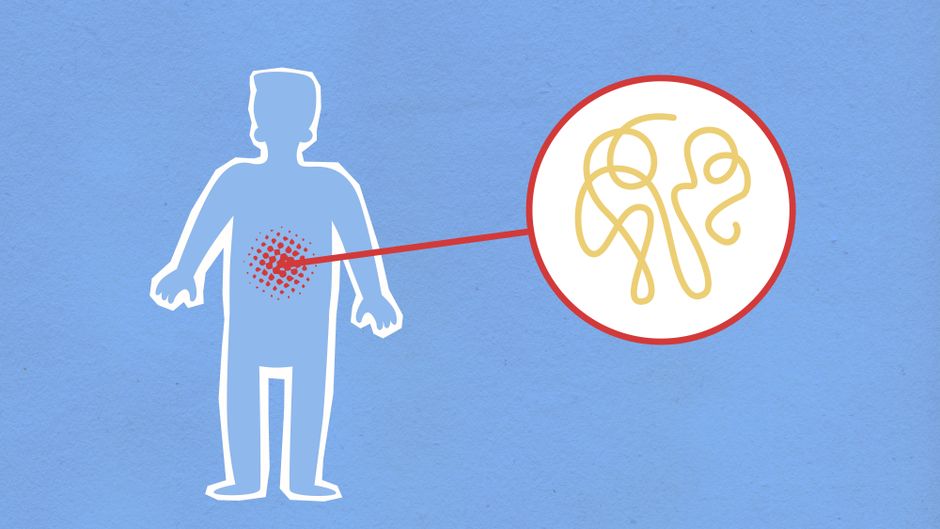
A stomach bug is usually contagious from the moment symptoms start until a few days after they stop. For most people, that means you can pass it to others for anywhere from a few days to about two weeks. The exact window depends on which virus caused it. Norovirus, the most common culprit, can still be shed in your stool for up to two weeks after you feel completely fine.
That last part surprises most people. You can feel normal, have no symptoms, and still infect someone else through tiny amounts of virus left on your hands or in a shared bathroom.
What Causes A Stomach Bug And Why It Spreads So Easily?
Most stomach bugs are viral. The two biggest offenders are norovirus and rotavirus, though adenovirus, astrovirus, and sapovirus also cause outbreaks. Bacterial causes like Salmonella, Campylobacter, and E. coli exist too, but they behave differently and usually come from food rather than person-to-person contact.
Norovirus is the one people mean when they say “stomach bug.” It accounts for the majority of outbreaks in the United States. The virus is extraordinarily efficient at spreading because it takes very few viral particles to make someone sick. Some research suggests as few as 18 particles can cause infection. That is an unusually low infectious dose compared to most viruses.
The virus leaves your body mainly through vomit and diarrhea. It then enters the next person through the mouth. This is called the fecal-oral route, and it sounds crude because it is. Contaminated hands, food, water, and surfaces all serve as bridges.
Norovirus is also resistant to many common disinfectants, including alcohol-based hand sanitizers. This is a detail most people get wrong. Hand sanitizer does not reliably kill norovirus. Soap and water do, because the physical act of washing removes the particles rather than trying to chemically destroy them.
How Long Is A Stomach Bug Contagious To Others?
For norovirus, you are most contagious from the moment symptoms begin until at least 48 hours after they end. But the contagious period does not stop there. The virus continues to leave your body in your stool for up to two weeks after recovery. During that time, poor hand hygiene after using the bathroom can still spread it.
For rotavirus, the pattern is similar but often longer. Children can shed the virus in their stool for up to 10 days after symptoms resolve, and sometimes longer in children with weakened immune systems.
Bacterial stomach bugs follow their own rules. Salmonella, for example, can be shed in stool for several weeks after diarrhea stops. Some people become temporary carriers without any symptoms at all.
Here is the general timeline in plain terms:
- Before symptoms start: You may already be contagious. Norovirus can be shed in stool before you feel sick, though this window is short.
- During symptoms: This is peak contagiousness. Vomiting and diarrhea release enormous amounts of virus.
- First 48 hours after symptoms stop: Still highly contagious. This is when many people return to work or school too soon.
- Up to two weeks after recovery: You can still shed virus, especially norovirus, even with no symptoms.
The practical takeaway: you are not in the clear the moment you feel better.
How Does A Stomach Bug Actually Spread Between People?
Direct contact is the most common route. Shaking hands with someone who did not wash thoroughly after using the bathroom, then touching your own mouth, is enough.
Surfaces matter too. Norovirus can survive on hard surfaces for days, and sometimes longer. Doorknobs, faucets, toilet handles, and shared utensils are common transfer points. The virus can also become airborne in tiny droplets when someone vomits, which is why outbreaks spread so fast in closed settings like cruise ships, nursing homes, and schools.
Food handlers are a major source. If someone prepares food while shedding the virus, an entire group can get sick from a single meal. This is why health departments exclude food workers from handling food for a set period after symptoms resolve.
Water can carry it as well. Contaminated wells, pools, and recreational water have all been linked to outbreaks.



When Are You Most Contagious?
The highest risk window is during active symptoms and the first two days after they stop. That is when the virus is leaving your body in the largest amounts.
Vomiting is especially efficient at spreading norovirus. The act produces aerosolized particles that can land on surfaces and be inhaled or swallowed by people nearby. This is one reason outbreaks move so quickly through households.
Children tend to stay contagious longer than adults. Their immune systems clear the virus more slowly, and their hand hygiene is less reliable. Daycares and elementary schools see this pattern every winter.
People with weakened immune systems can shed the virus for weeks or even months. If someone in your household is immunocompromised, the contagious window for the whole household effectively stretches.
How Can You Avoid Passing It To Others?
Handwashing is the single most effective step. Wash with soap and water for at least 20 seconds, especially after using the bathroom, changing diapers, and before preparing food. Hand sanitizer is not a substitute against norovirus.
Stay home while you have symptoms and for at least 48 hours after they stop. This applies to work, school, and social gatherings. It is inconvenient. It also prevents outbreaks.
Clean surfaces with a bleach-based cleaner. The CDC recommends a chlorine bleach solution for surfaces contaminated with norovirus. Regular disinfecting wipes and alcohol sprays may not be enough.
Wash laundry thoroughly. Virus can linger on clothing, bedding, and towels. Hot water and detergent help. Handle dirty laundry carefully and wash your hands afterward.
Do not prepare food for others while you are sick or during the 48 hours after symptoms end. If you must, wash your hands frequently and avoid touching ready-to-eat foods.
Flush toilets with the lid down when possible. This reduces the spread of aerosolized particles.
How Long Should You Stay Home?
Most public health guidance says stay home until at least 48 hours after your last episode of vomiting or diarrhea. That means two full days with no symptoms, not two days from when you started feeling better.
Food handlers, healthcare workers, and childcare workers often face longer exclusion periods. Some health departments require these workers to stay out longer or to test negative before returning. The rules vary by state and by employer.
For children in daycare or school, many facilities follow the same 48-hour rule. Check with your specific school or daycare, since policies differ.
If symptoms last more than a few days, or if you cannot keep fluids down, see a doctor. Severe dehydration is the main danger with stomach bugs, especially in young children and older adults.
Does A Stomach Bug Stay Contagious After Symptoms Stop?
Yes. This is the part people miss. Norovirus can be shed in stool for up to two weeks after you feel normal. Rotavirus can be shed for up to 10 days in children. Salmonella can be shed for weeks.
That does not mean you need to isolate for two weeks. It means you should keep washing your hands carefully after using the bathroom, and avoid preparing food for others if you can, for a while after recovery.
Some people become what doctors call chronic carriers. They shed the virus or bacteria without ever feeling sick again. This is more common with certain bacteria than with viruses, but it happens.
Frequently Asked Questions
How long is a stomach bug contagious after symptoms stop?
For norovirus, you can still shed the virus in your stool for up to two weeks after symptoms end. For rotavirus, children may shed it for up to 10 days after recovery.
Can you catch a stomach bug from someone who has no symptoms?
Yes. People can shed norovirus and some bacteria in their stool without feeling sick. This is why handwashing matters even when everyone seems healthy.
Does hand sanitizer kill stomach bugs?
Alcohol-based hand sanitizer does not reliably kill norovirus. Soap and water are more effective because washing physically removes the virus from your hands.
When can a child go back to school after a stomach bug?
Most schools and daycares require children to stay home until at least 48 hours after their last vomiting or diarrhea episode. Check your specific facility’s policy, since rules can vary.
