
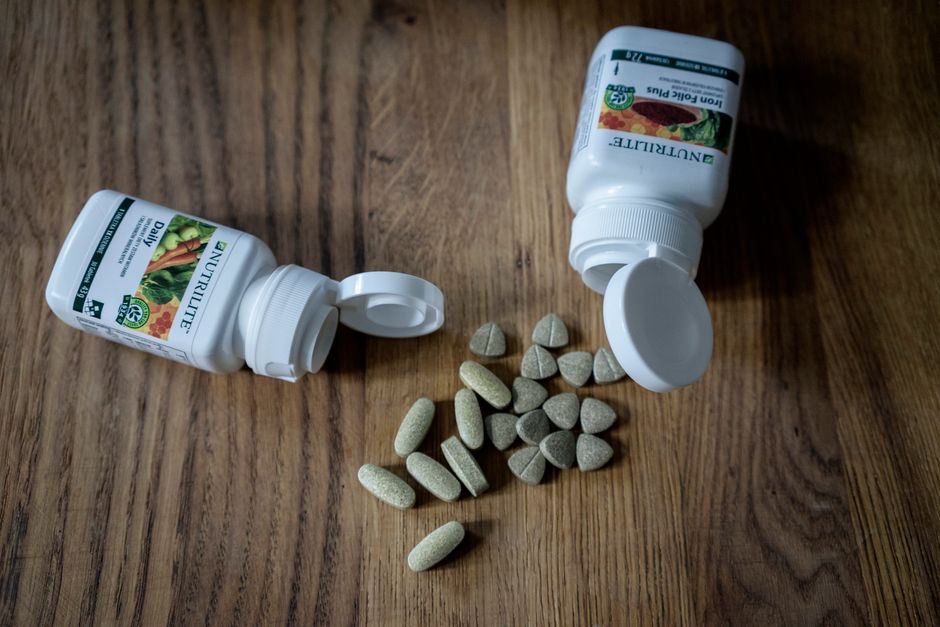
If you have been told your iron is low and you have just started taking tablets, the waiting is the hard part. Most people notice the first real change in fatigue somewhere between two and four weeks, but the pill starts working on your blood within days. Hemoglobin — the oxygen-carrying protein in red blood cells that iron helps build — typically rises measurably by about four weeks of consistent treatment. Full replacement of your iron stores can take three to six months or longer, because you are refilling a tank, not just topping up a gauge.
How Long For Iron Tablets To Take Effect?
Iron tablets begin affecting your bone marrow within hours of the first dose. That does not mean you feel different by dinner. The gap between the biology and the benefit is the source of most frustration with iron treatment.
Here is the sequence, based on how red blood cells are made:
- Days 1–3: Absorbed iron reaches your bone marrow, where it is used to build new red blood cells.
- Days 3–7: New red blood cells start entering circulation. You will not feel this yet.
- Weeks 2–4: Hemoglobin rises. This is usually when fatigue and breathlessness begin to ease, if they were caused by low iron.
- Weeks 4–8: Most people notice a clear difference in energy and stamina, assuming the dose is adequate and the iron is being absorbed.
- Months 3–6 and beyond: Ferritin — the protein that stores iron — refills. This takes far longer than correcting hemoglobin.
One point that surprises many people: your hemoglobin can return to normal while your iron stores are still empty. If you stop taking tablets the moment your blood count looks fine, you will likely slide back into deficiency within months. This is why clinicians often continue treatment well past the point where the numbers look normal.
Why Does It Take So Long to Feel Better?
Red blood cells live about 120 days. Your body replaces them slowly and steadily, not all at once. When iron is scarce, the bone marrow keeps producing red blood cells but each one carries less hemoglobin. Correcting that means building new cells over weeks, not repairing the ones already in circulation.
There is also a limit on how fast you can absorb iron from a tablet. A healthy adult absorbs only a fraction of the iron in any given dose — often somewhere in the range of 10 to 20 percent, and sometimes less. Absorption improves when iron stores are low and drops when they are full, which is the body’s way of protecting itself from iron overload.
Fatigue itself complicates the picture. Low iron is one cause of tiredness, but it is not the only one. Thyroid problems, sleep disorders, depression, vitamin B12 deficiency, and many other conditions produce similar symptoms. If your energy has not improved after a reasonable course of iron, that is a signal to look for another explanation rather than simply assuming the iron is not working.
What Slows Iron Absorption Down?
Timing and pairing matter more than most people realize. The same tablet can be well absorbed one day and poorly absorbed the next depending on what is in your stomach.
Things that reduce absorption:
- Taking iron with tea, coffee, or milk
- Calcium supplements taken at the same time
- Antacids and acid-reducing medications
- Certain antibiotics and other drugs that bind iron in the gut
- Taking the tablet with a large meal rather than on an empty stomach
Things that improve absorption:
- Vitamin C, either from food or a supplement, taken with the dose
- Taking the tablet on an empty stomach, about an hour before eating or two hours after
- Splitting the dose across the day rather than taking it all at once
That last point runs against common practice. Taking iron every other day, or in smaller divided doses, may actually lead to better absorption than a single large daily dose. This is because a large dose triggers a spike in a hormone called hepcidin, which temporarily blocks further iron absorption for roughly a day. Some clinicians now recommend alternate-day dosing for this reason. The evidence here is still developing, and dosing schedules vary by patient and by the type of iron prescribed.





Does the Type of Iron Tablet Matter?
The form of iron affects tolerability more than it affects how quickly hemoglobin rises. Ferrous sulfate, ferrous gluconate, and ferrous fumarate are the most common. They differ mainly in how much elemental iron each contains and how well they are tolerated.
Ferrous sulfate is the most widely studied and typically the cheapest. It also causes the most stomach upset. Ferrous gluconate contains less elemental iron per tablet and is often easier on the gut. Ferrous fumarate sits somewhere in between.
Newer formulations, including iron bisglycinate and other chelated forms, are marketed as gentler and better absorbed. Some people do tolerate them better. Whether they raise hemoglobin faster than standard ferrous sulfate at equivalent elemental iron doses is not clearly established. If you cannot tolerate one form, switching is reasonable — but the goal is still to get enough elemental iron absorbed, not simply to take a pill that feels easier.
Liquid iron and iron in food are alternatives, but food-based iron is generally absorbed too slowly to correct significant deficiency on its own. For treating diagnosed iron deficiency anemia, tablets or, in some cases, intravenous iron are the standard approaches.
What If You Do Not Feel Better After a Month?
A month is a reasonable checkpoint. If hemoglobin has not moved at all, something is wrong with the plan — not with you.
Possible explanations include:
- The dose is too low
- The iron is not being absorbed, often because of timing or interacting medications
- The diagnosis is wrong, and something other than iron deficiency is causing the symptoms
- There is ongoing blood loss that is outpacing replacement
That last one deserves attention. In adults, iron deficiency is often a symptom rather than a standalone problem. Heavy menstrual bleeding, gastrointestinal bleeding, and other sources of chronic blood loss can keep iron low no matter how many tablets you take. In some cases, especially in men and in women past menopause, unexplained iron deficiency warrants investigation for a source of bleeding. This is not meant to alarm — most cases have a benign explanation — but persistent deficiency that does not respond to treatment should prompt a closer look.
How Long Do You Need to Keep Taking Them?
Correcting hemoglobin and refilling iron stores are two different jobs with two different timelines. Hemoglobin usually normalizes within two to three months of starting treatment. Ferritin can take considerably longer — often three to six months of continued treatment after hemoglobin is back to normal, and sometimes longer depending on the cause.
Stopping early is one of the most common reasons iron deficiency returns. If the underlying cause of the deficiency is still present, such as ongoing menstrual blood loss, you may need to stay on a maintenance dose indefinitely. That decision belongs with your clinician, guided by follow-up blood tests.
Side Effects and Why They Matter for Timing
Iron tablets commonly cause constipation, nausea, dark stools, and stomach discomfort. These effects are not dangerous, but they matter for a practical reason: people who feel awful stop taking their tablets, and stopping resets the clock.
Dark or black stools from iron are expected and not a sign of bleeding. That distinction matters, because black stools can also indicate gastrointestinal bleeding — a source of confusion for anyone on iron who is also being evaluated for blood loss.
If side effects are making it hard to stay consistent, that is worth raising with your clinician rather than quietly reducing or skipping doses. A lower dose taken consistently usually beats a higher dose taken sporadically.
Frequently Asked Questions
How long do iron tablets take to work?
Most people notice improved energy within two to four weeks, and hemoglobin typically rises measurably by about four weeks of consistent treatment. Refilling iron stores takes three to six months or longer.
Can iron tablets work in a few days?
No. Iron reaches your bone marrow within days, but new red blood cells take weeks to build and release into circulation. Feeling better in a few days is not typical.
Why am I still tired after taking iron for a month?
Possible reasons include a dose that is too low, poor absorption from timing or interacting medications, ongoing blood loss, or a cause of fatigue other than low iron. This is worth discussing with your clinician.
Do I need to keep taking iron after my levels are normal?
Usually yes. Hemoglobin normalizes before iron stores refill, so treatment is often continued for several months after blood counts look normal to prevent a relapse.
