
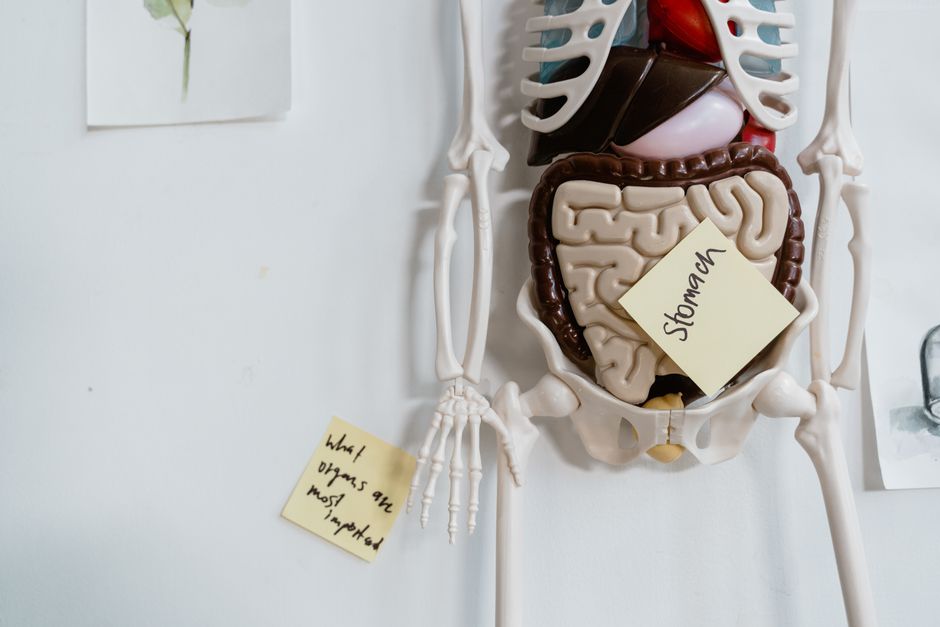
A fractured rib usually takes about six weeks to heal, though the pain often improves well before that. Most people feel significant relief within two to three weeks, but complete healing of the bone takes closer to six weeks. Your doctor may recommend imaging to confirm the fracture and rule out complications, especially if the pain is severe or you have trouble breathing.
What Is a Fractured Rib and How Does It Happen?
A fractured rib means the bone has cracked or broken. This is different from a bruised rib, where the bone is intact but the surrounding tissue is damaged. Both can cause similar pain, but a true fracture requires more healing time.
Most rib fractures come from direct impact. Falls, sports injuries, car accidents, and even severe coughing can cause them. In older adults, ribs can fracture from less force because bone density decreases with age. In younger people, rib fractures usually require significant force.
Rib fractures are often described as either simple or complex. A simple fracture means the bone is cracked but still aligned. A complex fracture means the bone is broken into pieces or displaced. Complex fractures take longer to heal and may need surgery.
How Long For Fractured Ribs To Heal: The Typical Timeline
The standard healing time for a fractured rib is six weeks. This is the same for most adult bone fractures. Children and teenagers often heal faster, sometimes in three to four weeks. Older adults may need eight weeks or more.
Here is what the healing process looks like week by week:
- Week 1: Pain is most intense. Breathing, coughing, and laughing hurt. You may need pain medication.
- Weeks 2-3: Pain begins to ease. You can take deeper breaths. Simple daily tasks become easier.
- Weeks 4-6: Most pain is gone. The bone is still healing but you feel close to normal.
- Week 6 and beyond: The bone has typically healed. Some people still feel a dull ache for a few more weeks.
Healing time depends on several factors. Your age, overall health, and the severity of the fracture all matter. Smoking slows bone healing significantly. Poor nutrition also delays recovery. People with osteoporosis may heal more slowly because their bones are already weaker.
How Rib Fractures Heal Inside Your Body
Bone healing follows a predictable sequence. Understanding it helps you know what to expect.
Right after the fracture, your body forms a blood clot around the break. This clot contains cells that begin building new tissue. Within days, a soft callus forms. This is a flexible tissue that stabilizes the bone. Over the next several weeks, that soft callus hardens into bone. By six weeks, the callus is usually strong enough to support normal activity.
Rib fractures are unique because you cannot immobilize them the way you would an arm or leg. You need your ribs to breathe. This means the bone moves slightly with every breath. That movement is normal and does not prevent healing, but it does mean the pain lasts longer than with some other fractures.



Why Rib Fractures Hurt So Much
Rib fractures hurt because the ribs move constantly. Every breath expands your chest. Every cough or sneeze puts force on the broken bone. You cannot rest a rib the way you rest an ankle.
The pain serves a purpose. It reminds you to breathe shallowly and avoid movements that could worsen the injury. But shallow breathing has risks. If you do not take full breaths, you can develop pneumonia. This is why managing pain is not just about comfort — it is about protecting your lungs.
Nerve irritation also contributes to the pain. The ribs are surrounded by nerves that are sensitive to injury. When the bone moves, those nerves send pain signals. This is why the pain can feel sharp and stabbing with certain movements.
Treatment Options for Fractured Ribs
Most fractured ribs do not need surgery. The standard treatment is pain management and time. Your doctor will likely recommend over-the-counter pain relievers like ibuprofen or acetaminophen. For severe pain, prescription medication may be necessary.
Ice packs can help during the first few days. Apply ice for 15-20 minutes several times a day. This reduces swelling and numbs the area. After the first few days, heat may feel better for muscle tension around the injury.
Deep breathing exercises are important. Take slow, deep breaths several times a day. This keeps your lungs clear and prevents pneumonia. Holding a pillow against your chest can make coughing and deep breathing less painful.
Surgery is reserved for specific situations. If the fracture is severely displaced, if the chest wall is unstable, or if the fracture is causing breathing problems, surgery may be needed. Surgical fixation uses plates and screws to hold the bone in place. This is uncommon for simple rib fractures.
You should not wrap or bind your ribs tightly. Old treatments used tight bandages, but doctors no longer recommend this. Binding restricts breathing and increases the risk of lung complications.
Signs You Need Immediate Medical Care
Most rib fractures heal without complications. But some situations require urgent attention. Seek emergency care if you experience any of the following:
- Shortness of breath or difficulty breathing
- Coughing up blood
- Dizziness or confusion
- Pain that gets worse instead of better
- Fever or chills
- A chest that looks misshapen or moves unevenly when you breathe
These symptoms can indicate a collapsed lung, internal bleeding, or pneumonia. These are serious complications that need immediate treatment.
If your pain is not controlled with over-the-counter medication, contact your doctor. Uncontrolled pain can lead to shallow breathing, which increases your pneumonia risk.
What Slows Down Rib Fracture Healing
Smoking is the biggest factor that delays bone healing. Nicotine constricts blood vessels, reducing blood flow to the fracture site. This slows the delivery of the cells and nutrients needed for repair. If you smoke, this is a strong reason to stop or reduce during recovery.
Certain medications can also interfere with healing. Long-term use of corticosteroids, such as prednisone, weakens bones and slows repair. Some studies suggest that heavy use of NSAIDs like ibuprofen may slow bone healing, though the evidence is mixed. Talk to your doctor about your medications if you are concerned.
Poor nutrition delays healing. Your body needs protein, calcium, vitamin D, and vitamin C to build new bone. Most people get enough from a normal diet. If your diet is limited, consider talking to a doctor or dietitian about whether supplements are appropriate.
Osteoporosis is a major risk factor for slow healing. This condition weakens bones and makes them more likely to fracture. It also impairs the body’s ability to repair bone. If you have osteoporosis, your doctor may recommend bone-building medications or supplements.
When Can You Return to Normal Activities?
Returning to activity depends on how you feel and what the activity involves. Light daily activities are usually fine within a week or two. You will naturally adjust your movements to avoid pain.
Most people can return to desk work within a week. Jobs that involve lifting, bending, or physical exertion may require several weeks off. Your doctor can give you specific guidance based on your job and the severity of your fracture.
Exercise should be gradual. Walking is usually fine within a few days. Strenuous exercise, heavy lifting, and contact sports should wait until the bone has healed — typically six weeks. Returning to high-impact activity too soon risks re-injury.
Listen to your body. If an activity causes sharp pain, stop and rest. Dull soreness after activity is normal. Sharp pain means the bone is not ready for that movement yet.
How to Prevent Rib Fractures
You cannot prevent every rib fracture. Accidents happen. But you can reduce your risk.
Preventing falls is the most important step. This is especially true for older adults. Keep walkways clear, use handrails on stairs, and ensure good lighting throughout your home. Balance exercises can reduce fall risk.
Building bone strength helps. Weight-bearing exercise like walking, jogging, and strength training stimulates bone formation. Adequate calcium and vitamin D intake supports bone health. Most adults need about 1,000 mg of calcium per day, though this varies by age and sex.
Wearing seatbelts reduces the risk of rib fractures in car accidents. Using proper protective gear in contact sports also helps. If you have osteoporosis, talk to your doctor about treatment options to strengthen your bones.
Frequently Asked Questions
Can a fractured rib heal on its own without treatment?
Yes, most fractured ribs heal on their own within six weeks without surgery. You still need medical evaluation to rule out complications and guidance on pain management and breathing exercises.
Is it safe to sleep on the side of a fractured rib?
Sleeping on the fractured side is usually painful and not recommended. Sleeping on your back or on the opposite side with pillows for support is generally more comfortable.
How do I know if my rib is fractured or just bruised?
You cannot tell the difference without imaging. Both cause similar pain, but a fracture requires an X-ray or CT scan to confirm. See a doctor if you suspect a rib injury.
What pain medication is best for a fractured rib?
Ibuprofen and acetaminophen are common first choices, and both can be effective. Your doctor may prescribe stronger medication if over-the-counter options are not enough.
