
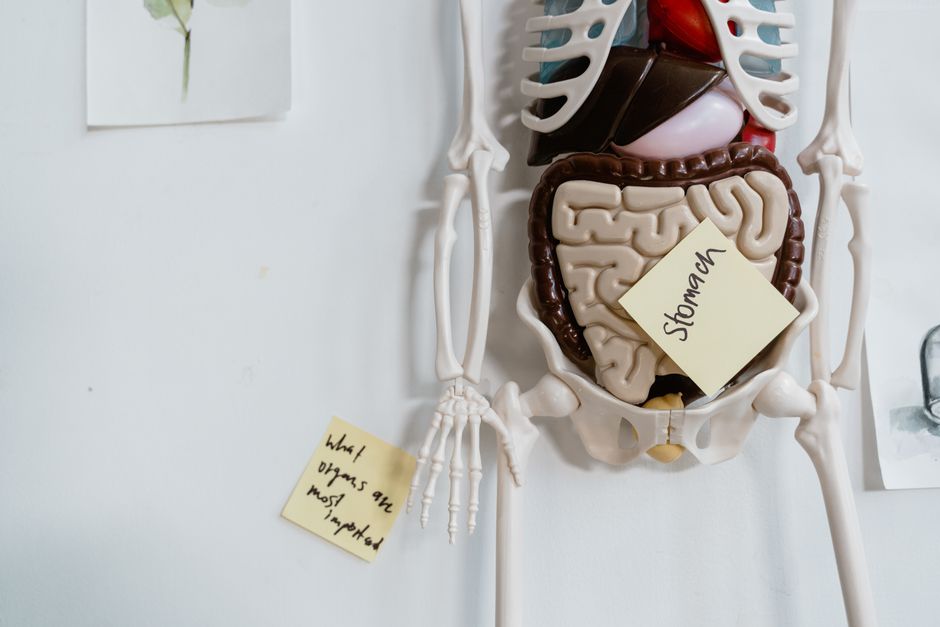
Viral gastroenteritis, commonly called the stomach flu, usually lasts 1 to 3 days. Symptoms like vomiting and diarrhea typically begin suddenly and resolve just as quickly. While the worst of the illness passes quickly, some people experience lingering digestive issues for up to a week.
What Actually Causes the Stomach Flu?
The stomach flu is not the flu. Influenza is a respiratory illness. Viral gastroenteritis is an infection of the intestines.
Several viruses cause it. Norovirus is the most common cause in the United States. It accounts for most outbreaks in schools, cruise ships, and nursing homes. Rotavirus is another frequent cause, especially in infants and young children. Other viruses like adenovirus and astrovirus can also trigger it.
These viruses attack the lining of your small intestine. They cause inflammation and prevent the intestines from absorbing water properly. That is why diarrhea is watery and why dehydration is the main risk.
How Long Does Stomach Flu Last What To Expect
Most healthy adults recover within 1 to 3 days. The timeline is consistent across the most common viruses.
Norovirus symptoms usually start 12 to 48 hours after exposure. They last about 1 to 3 days. Rotavirus lasts slightly longer, often 3 to 8 days in children. In adults, rotavirus infections tend to be milder and shorter.
Here is what a typical case looks like:
- Day 1: Sudden onset of nausea, vomiting, and stomach cramps. Diarrhea often follows within hours.
- Days 2-3: Vomiting usually stops. Diarrhea may continue but becomes less frequent.
- Days 4-7: Most people feel mostly normal. Some loose stools or mild fatigue may persist.
You are contagious while you have symptoms and for up to 48 hours after they stop. Norovirus can be shed in stool for weeks after recovery, though the risk of spreading it drops significantly once symptoms end.
What Are the First Signs?
Symptoms come on fast. Most people feel fine one moment and are violently ill within hours.
The classic symptoms include:
- Watery diarrhea
- Nausea and vomiting
- Stomach cramps
- Low-grade fever
- Muscle aches
- Headache
- Chills
Vomiting tends to be more prominent in the first 24 hours. Diarrhea is often the symptom that lingers longest. A low-grade fever is common but not universal. If your fever stays above 102°F or lasts more than 3 days, that is a reason to call your doctor.





What Is the Best Way to Recover at Home?
The single most important thing is fluid replacement. Your body loses water and electrolytes through vomit and diarrhea. Replacing them prevents dehydration.
Oral rehydration solutions are the gold standard. Products like Pedialyte contain the right balance of water, sugar, and salts. They are not just for children. Adults can use them too, especially if diarrhea is heavy.
Clear fluids like water, broth, and diluted juice also work in mild cases. Sports drinks are acceptable but not ideal. They contain too much sugar and not enough salt for proper rehydration.
What you eat matters less than what you drink. When you feel ready to eat, start with bland foods. The BRAT diet — bananas, rice, applesauce, toast — is a common starting point. It is gentle on the stomach and easy to digest.
Avoid dairy, fatty foods, spicy foods, and caffeine for a few days. These can irritate an already inflamed digestive tract. Alcohol is also best avoided until you are fully recovered.
When Should You See a Doctor?
Most cases resolve without medical care. But dehydration can turn serious quickly, especially in young children, older adults, and people with chronic conditions.
Seek medical attention if you experience any of the following:
- Blood in your vomit or stool
- Inability to keep any fluids down for 24 hours
- Signs of severe dehydration
- Fever above 104°F
- Severe abdominal pain that does not come and go
- Symptoms lasting more than 10 days
Signs of severe dehydration include dizziness when standing, dark urine, dry mouth, and extreme thirst. In infants and young children, watch for fewer wet diapers, no tears when crying, and unusual sleepiness or fussiness.
There is no antiviral medication for viral gastroenteritis. Antibiotics do not work because the infection is viral, not bacterial. Treatment is supportive — meaning you treat the symptoms while your immune system clears the virus.
Are There Medicines That Help?
Over-the-counter anti-diarrheal medications like loperamide (Imodium) can reduce diarrhea. They are generally safe for adults with mild cases.
There is one important exception. Do not take anti-diarrheal medication if you have blood in your stool or a high fever. These can be signs of a bacterial infection, and slowing the gut can make it worse. When in doubt, skip the medication and let the illness run its course.
Anti-nausea medications are available by prescription. Ondansetron (Zofran) is commonly used in emergency settings to stop vomiting. Some doctors prescribe it for severe cases at home. Ask your doctor if vomiting is preventing you from keeping fluids down.
How Is the Stomach Flu Spread?
The viruses that cause gastroenteritis are highly contagious. They spread through the fecal-oral route. That means tiny particles of infected stool or vomit enter someone else’s mouth.
This happens in several ways:
- Not washing hands after using the bathroom
- Touching contaminated surfaces like doorknobs, phones, or faucets
- Eating food prepared by someone who is infected
- Sharing utensils or cups
Norovirus is especially hardy. It survives on surfaces for days and resists many common cleaning products. Alcohol-based hand sanitizers do not reliably kill norovirus. Soap and water are more effective.
Vomiting also spreads the virus through the air. Tiny droplets can land on surfaces and be picked up by others. This is why outbreaks spread so quickly in closed spaces.
How Can You Prevent It?
Frequent handwashing is the most effective prevention. Wash with soap and warm water for at least 20 seconds, especially after using the bathroom and before handling food.
Clean contaminated surfaces with a bleach-based disinfectant. Norovirus is resistant to many standard cleaners. A solution of 5 to 25 tablespoons of household bleach per gallon of water is effective. Check the label on commercial disinfectants to confirm they are effective against norovirus.
Wash laundry thoroughly. Handle soiled clothing and bedding with gloves. Wash items in hot water and dry on high heat.
Do not prepare food for others while you are sick or for 2 days after your symptoms stop. This is a critical step in preventing outbreaks, especially in households and food service settings.
Rotavirus has a vaccine. It is given orally to infants in two or three doses, depending on the brand. The vaccine has dramatically reduced rotavirus infections since its introduction.
Why Does Stomach Flu Hit Some People Harder?
Young children, older adults, and people with weakened immune systems are at higher risk for severe illness. Their bodies are less able to handle rapid fluid loss.
Pregnant women should be especially careful about hydration. Dehydration can reduce blood flow to the placenta and trigger early contractions. If you are pregnant and cannot keep fluids down, contact your obstetrician promptly.
People with chronic conditions like kidney disease, heart failure, or diabetes may also need medical care sooner. These conditions can complicate fluid balance and make dehydration more dangerous.
Frequently Asked Questions
Can the stomach flu last more than 3 days?
Yes, some cases last up to 10 days, especially in young children or people with weakened immune systems. If symptoms persist beyond 10 days, see a doctor to rule out other causes.
Is the stomach flu contagious before symptoms appear?
Yes, you can spread the virus before you feel sick, typically starting about 12 hours before symptoms begin. You remain contagious while symptomatic and for up to 48 hours after recovery.
Can you get the stomach flu twice in one season?
Yes. There are multiple viruses that cause gastroenteritis, and immunity to one does not protect against others. You can also catch norovirus more than once because immunity is short-lived.
Does the stomach flu require antibiotics?
No. Antibiotics treat bacterial infections, not viral ones. The stomach flu resolves on its own, and the main treatment is fluid replacement and rest.
Viral gastroenteritis is unpleasant but usually brief. Focus on hydration, rest, and handwashing to protect others. If you can keep fluids down and symptoms improve within a few days, you can manage it at home without medical intervention.
