

Most food spends about 2 to 4 hours in the stomach before it moves into the small intestine. The total journey through your entire digestive system takes anywhere from 24 to 72 hours. The exact time depends heavily on what you ate, how much you ate, and your individual digestive health.
What Happens Inside the Stomach
The stomach is not a passive storage bag. It is a muscular organ that churns, mixes, and breaks down food into a thick liquid called chyme. This mechanical process works alongside stomach acid and digestive enzymes to begin breaking down proteins.
The stomach releases food into the small intestine gradually, not all at once. This slow release allows the small intestine to absorb nutrients at a steady pace. The pyloric sphincter, a ring of muscle at the bottom of the stomach, controls this flow.
Liquids pass through the stomach fastest. Simple carbohydrates like white bread and fruit sugars move quickly. Proteins take longer. Fats take the longest, which is why a fatty meal keeps you feeling full for hours.
How Long Different Foods Take to Digest
Not all foods leave the stomach at the same speed. The composition of a meal directly changes how long it stays there.
- Water and clear liquids: 10 to 20 minutes
- Fruit and vegetable juices: 15 to 30 minutes
- Simple carbohydrates like white rice or white bread: 30 to 60 minutes
- Whole grains and legumes: 60 to 90 minutes
- Cooked vegetables: 40 to 60 minutes
- Raw vegetables: 60 to 90 minutes
- Lean proteins like chicken or fish: 2 to 3 hours
- High-fat meals and red meat: 4 hours or longer
These are general ranges, not precise measurements. Individual results vary based on age, metabolism, and digestive health.
Why Fats Slow Down Digestion
Fats require more work from the digestive system. The stomach cannot break down fat on its own. Fat digestion depends on bile, which is produced by the liver and released from the gallbladder into the small intestine.
Because bile is not released until food reaches the small intestine, the stomach holds fatty food longer. This is partly a protective mechanism. The stomach needs time to form a mixture that the small intestine can process effectively.
This explains why a high-fat meal like a cheeseburger with fries sits heavy in the stomach. The fat content extends stomach emptying time well beyond what a lean meal would require.
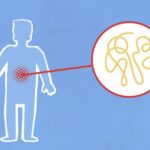

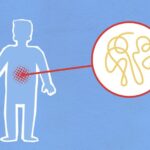
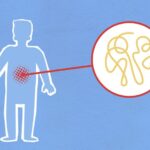

How Long Food Take to Digest in the Stomach vs. the Whole Body
Stomach emptying is only the first phase. After the stomach releases chyme, the small intestine takes over. Food can spend 3 to 5 hours in the small intestine while nutrients are absorbed through the intestinal wall.
The large intestine, or colon, is the slowest part. Waste material can remain there for 30 to 40 hours while water is reabsorbed. This is why total digestion time from mouth to elimination often takes 24 to 72 hours.
For most healthy adults, a meal eaten in the morning will not fully exit the body until the next day or the day after. This is normal, not a sign of slow digestion.
Factors That Speed Up or Slow Down Digestion
Several factors change how quickly your stomach empties. Some are within your control. Others are not.
Meal size matters. A large meal takes longer to digest than a small one. The stomach can only process so much volume at once.
Physical activity affects digestion. Light activity like walking after a meal can promote gastric emptying. Intense exercise during or right after eating can slow it down because blood flow shifts away from the digestive organs to the muscles.
Stress changes digestion speed. The digestive system is tightly connected to the nervous system. Acute stress can slow stomach emptying. Some research suggests chronic stress contributes to conditions like functional dyspepsia, where the stomach empties slower than normal.
Age plays a role. Gastric emptying tends to slow with age, though the effect is modest in otherwise healthy older adults.
Medical conditions can significantly alter digestion time. Gastroparesis is a condition where the stomach empties abnormally slowly. It is most commonly associated with diabetes. Other conditions like acid reflux can also affect how food moves through the digestive tract.
Signs That Food Is Not Digesting Normally
Most people do not need to track their digestion time. The body handles this automatically. But some symptoms suggest the stomach is not emptying as it should.
Feeling uncomfortably full for hours after a small meal is a warning sign. Nausea, bloating, and upper abdominal pain after eating can also point to delayed gastric emptying.
If these symptoms happen regularly, they deserve medical attention. A doctor can run tests to measure gastric emptying time. The most common test involves eating a meal with a small amount of radioactive material and tracking how quickly it leaves the stomach.
These symptoms should not be dismissed as normal aging or a sensitive stomach. Persistent digestive complaints can signal treatable conditions.
Does Chewing Change Digestion Speed?
Yes. Digestion begins in the mouth, not the stomach. Chewing breaks food into smaller pieces, which increases the surface area for stomach acid and enzymes to act on.
Poorly chewed food takes longer to break down in the stomach. Large chunks require more churning and more time before they are small enough to pass into the small intestine.
Eating slowly and chewing thoroughly is one of the few habits that genuinely influences digestion speed. It also gives your body time to register fullness, which can prevent overeating.
Can You Make Food Digest Faster?
There is no reliable way to dramatically speed up stomach emptying. The body follows its own timeline. But some habits can help digestion run smoothly.
Smaller meals digest faster than large ones. Choosing lean proteins and cooked vegetables over heavy fatty meals reduces stomach workload. Staying hydrated helps the entire digestive process.
Walking after a meal is a common recommendation. It does not force food through the stomach, but it can reduce bloating and discomfort.
Be cautious about digestive supplements and enzymes sold to speed up digestion. Some products have evidence behind them, but many do not. No supplement has been shown to dramatically shorten stomach emptying time in healthy people.
Ginger and peppermint are sometimes used for digestive discomfort. Some studies suggest they may help with nausea and bloating, but the evidence for speeding up actual stomach emptying is limited.
When Digestion Speed Becomes a Medical Concern
Delayed gastric emptying is a real medical condition called gastroparesis. It is not simply a slow stomach. It is a diagnosed disorder where the stomach takes too long to empty food.
Gastroparesis causes symptoms like nausea, vomiting, early fullness, and abdominal pain. It can lead to poor nutrition and blood sugar swings, especially in people with diabetes.
Treatment options exist. Dietary changes, medication, and in severe cases, procedures to help the stomach empty are all used. But treatment decisions are made by a gastroenterologist, not through self-management.
If you regularly feel full for hours after a normal meal, or if you vomit undigested food, seek medical evaluation. These are not normal digestive patterns.
Frequently Asked Questions
How long does food stay in the stomach?
Most food stays in the stomach for 2 to 4 hours. Liquids pass through faster, while high-fat meals can remain for 4 hours or longer.
What food takes the longest to digest?
High-fat foods and red meat take the longest, often 4 hours or more in the stomach alone. Fried foods and heavy meals with multiple components also digest slowly.
How can I tell if my food is digesting too slowly?
Feeling uncomfortably full for hours after a small meal, nausea after eating, and bloating are common signs. If these symptoms happen frequently, a doctor can test your gastric emptying rate.
Does drinking water speed up digestion?
Water does not flush food through the stomach faster. Staying hydrated supports normal digestion, but drinking extra water will not speed up stomach emptying.
