
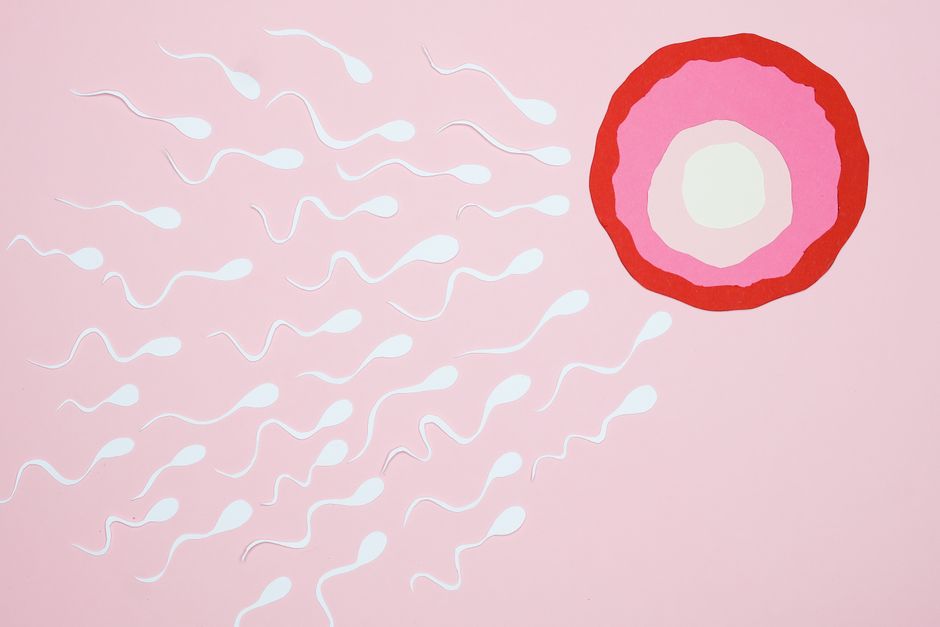
Ovulation itself is a brief event. The egg is released from the ovary and stays viable for about 12 to 24 hours. If a sperm does not fertilize it within that window, the egg dissolves and the cycle moves on. However, the fertile window—the days when intercourse can result in pregnancy—is much longer, usually about six days. This is because sperm can survive inside the reproductive tract for up to five days. Understanding this distinction between the egg’s lifespan and the broader fertile window is the key to understanding how conception actually happens.
How Long Does Ovulation Actually Last?
The moment of release is quick. The follicle on the ovary ruptures and releases a single mature egg. This process takes only minutes. The egg then travels into the fallopian tube. It remains capable of being fertilized for roughly 12 to 24 hours after release.
After that 24-hour mark, the egg begins to break down. Even if sperm are present, fertilization becomes highly unlikely. The egg is no longer viable. This short lifespan is why timing matters so much for anyone trying to conceive.
The fertile window includes the five days before ovulation and the day of ovulation itself. Sperm can survive for up to five days in the cervical mucus. Having intercourse in the days leading up to ovulation allows sperm to be waiting in the fallopian tube when the egg arrives. This is why couples are advised to have intercourse daily or every other day during this six-day window rather than only on the day of ovulation.
What Happens Physically During Ovulation?
Ovulation is the final step in a hormonal chain that begins weeks earlier. The hypothalamus releases gonadotropin-releasing hormone. This signals the pituitary gland to produce follicle-stimulating hormone and luteinizing hormone.
Follicle-stimulating hormone causes several follicles in the ovary to begin maturing. Usually only one becomes dominant and continues to grow. This dominant follicle produces estrogen. As estrogen levels rise, it triggers a surge of luteinizing hormone. This surge is what actually triggers the release of the egg, typically 24 to 36 hours after it begins.
The luteinizing hormone surge is what ovulation predictor kits detect. When the kit shows a positive result, ovulation is usually imminent. Most women ovulate within 12 to 48 hours after the surge begins. The surge itself can last anywhere from a few hours to a full day.
What Factors Can Affect Ovulation Timing?
Cycle length varies widely. A typical cycle ranges from 21 to 35 days. Ovulation usually occurs about 14 days before the next period starts, not necessarily on day 14 of the cycle. For someone with a 35-day cycle, ovulation might happen around day 21. For someone with a 26-day cycle, it might happen around day 12.
Several factors can shift ovulation earlier or later than expected:
- Stress: High levels of stress hormones can delay or suppress the luteinizing hormone surge.
- Illness: A fever or significant infection can temporarily disrupt the hormonal cascade.
- Travel and sleep changes: Disrupting your circadian rhythm can alter hormone production.
- Weight changes: Significant weight loss or gain can affect estrogen production and disrupt ovulation.
- Medications: Some drugs, including certain antidepressants and anti-inflammatory medications, can affect ovulation timing.
- Perimenopause: As women approach menopause, cycles become irregular and ovulation timing becomes less predictable.
Some women ovulate from the opposite ovary in different cycles. The ovary that releases the egg can alternate or be the same for several cycles in a row. This has no effect on the egg’s lifespan.




How Can You Track Ovulation Accurately?
Several methods exist for tracking ovulation. Each has different levels of accuracy and practicality.
Ovulation predictor kits are the most accurate home method. They detect the luteinizing hormone surge in urine. Testing once or twice daily starting a few days before expected ovulation gives the best results. A positive test means ovulation will likely occur within the next day or two.
Basal body temperature tracking involves taking your temperature every morning before getting out of bed. After ovulation, progesterone causes a slight temperature increase, usually 0.5 to 1.0 degree Fahrenheit. This method confirms ovulation happened but does not predict it in advance. The temperature rise occurs after the egg has already been released.
Cervical mucus changes are a useful sign. In the days before ovulation, mucus becomes clear, slippery, and stretchy, similar to raw egg whites. This fertile-quality mucus helps sperm travel and survive. After ovulation, mucus becomes thick and sticky again.
Fertility apps use algorithms based on cycle history. They can estimate your fertile window but are less accurate than hormone testing. Apps are most useful when combined with other tracking methods.
For women with irregular cycles, tracking can be more challenging. The luteinizing hormone surge may be missed if testing is not frequent enough. In these cases, some clinicians recommend testing twice daily or using fertility monitors that measure both estrogen and luteinizing hormone.
Can You Ovulate More Than Once in a Cycle?
This is a common question with a nuanced answer. In a typical cycle, only one egg is released. However, some research suggests that multiple waves of follicle development can occur in a single cycle.
These are called follicular waves. A wave of follicles may begin to develop, then regress without ovulation. Later in the same cycle, another wave may produce a dominant follicle that eventually releases an egg. This does not mean two eggs are released at different times. It means the ovary attempted multiple times before succeeding.
True multiple ovulation—releasing more than one egg in a single cycle—does occur. This is more common in women over 35 and in those with a family history of fraternal twins. When two eggs are released, it usually happens within 24 hours of each other, not days apart.
Some research has documented what appears to be ovulation occurring twice in the same cycle, days apart. This is rare and not well understood. The practical takeaway is that the egg’s lifespan remains 12 to 24 hours regardless of how many eggs are released.
What If You Are Not Ovulating at All?
Some women have cycles where ovulation does not occur. This is called anovulation. It is normal occasionally, but frequent anovulation can make conception difficult.
Signs that ovulation may not be occurring include very irregular cycles, cycles shorter than 21 days or longer than 35 days, or absent periods entirely. Without ovulation, there is no egg to fertilize, regardless of how long sperm can survive.
Common causes of anovulation include polycystic ovary syndrome, thyroid disorders, elevated prolactin levels, and significant stress or weight changes. If you suspect you are not ovulating, speak with a healthcare provider. Blood tests can check hormone levels, and an ultrasound can show whether follicles are developing properly.
Treatment depends on the underlying cause. Some women respond to lifestyle changes. Others need medication to stimulate ovulation. These are decisions to make with a qualified clinician, not based on general advice.
Does Age Affect Ovulation Duration?
The egg’s lifespan does not change with age. It remains 12 to 24 hours whether you are 25 or 40. What changes is egg quality and the likelihood of ovulation occurring regularly.
As women age, the number of remaining eggs decreases. The quality of those eggs also declines. This affects fertility rates but not the timing of ovulation itself. Older eggs are more likely to have chromosomal abnormalities, which increases the risk of miscarriage, but the window for fertilization remains the same.
Cycle regularity also changes with age. Cycles may become shorter in the late 30s and early 40s. Ovulation may occur earlier in the cycle. Some women notice their luteal phase—the time after ovulation before the next period—shortens with age. These changes affect when ovulation happens, not how long the egg survives.
Frequently Asked Questions
Can you get pregnant if you have sex after ovulation?
It depends on how long after ovulation you have sex. If it is within 12 to 24 hours after the egg is released, pregnancy is still possible. After that window, the egg is no longer viable and fertilization cannot occur.
How many days after your period do you ovulate?
It varies by cycle length. Ovulation typically occurs about 14 days before your next period, not a set number of days after your period ends. For a standard 28-day cycle, that is around day 14, but cycles vary widely.
Does ovulation last longer than 24 hours?
The release of the egg takes only minutes, and the egg remains fertile for 12 to 24 hours. The fertile window itself lasts about six days because sperm can survive up to five days waiting for the egg.
Can stress delay ovulation?
Yes. High stress levels can suppress or delay the luteinizing hormone surge that triggers ovulation. This can shift ovulation later in the cycle or occasionally prevent it entirely for that month.
