
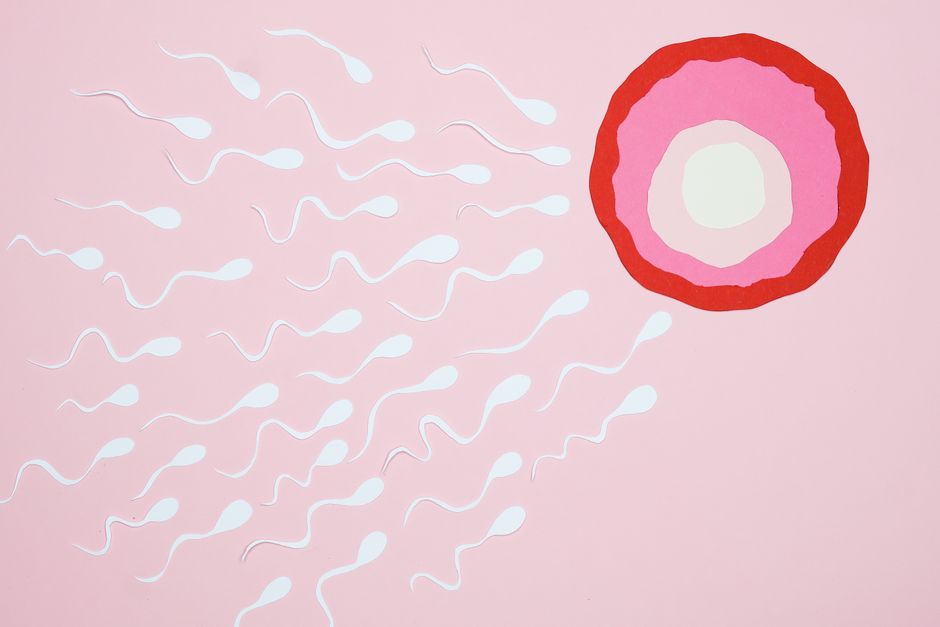
The window for fertilizing an egg after ovulation is about 12 to 24 hours. Once an egg is released from the ovary, it travels into the fallopian tube where it must meet sperm during this short period. If fertilization does not occur within this timeframe, the egg breaks down and is absorbed by the body.
What Happens During Ovulation?
Ovulation is the release of a mature egg from one of the ovaries. This typically happens once per menstrual cycle, around day 14 of a 28-day cycle, though normal cycles vary from 21 to 35 days.
When the egg is released, it is swept into the fallopian tube by finger-like projections called fimbriae. The egg then begins its journey toward the uterus. Fertilization normally happens in the outer third of the fallopian tube, not in the uterus itself.
The egg is surrounded by a protective layer called the zona pellucida. This layer plays a critical role in fertilization. Sperm must penetrate this layer to fertilize the egg. Once a single sperm enters, the layer hardens to prevent other sperm from entering.
How Long Can An Egg Be Fertilized After Ovulation?
The fertile window of the egg is approximately 24 hours. This is the maximum time an egg remains capable of being fertilized after it is released.
Research consistently shows that the egg’s ability to be fertilized declines significantly after the first 12 hours. By 24 hours, the egg is usually no longer viable. Some studies suggest that fertilization is most likely to occur within the first 6 to 12 hours after ovulation.
This short lifespan is why timing matters for conception. Sperm, by contrast, can survive inside the female reproductive tract for up to 5 days. This difference in survival time is why couples trying to conceive are often advised to have intercourse in the days before ovulation rather than waiting for the day of ovulation itself.
How Long Can Sperm Survive?
Sperm survival is a different story. Sperm can live inside the female reproductive tract for up to 5 days under optimal conditions.
The cervical mucus plays a major role in sperm survival. Around the time of ovulation, cervical mucus becomes thinner, clearer, and more slippery. This fertile-quality mucus helps sperm swim through the cervix and provides nutrients that keep them alive longer.
This means the fertile window of a menstrual cycle is about 6 days total: the 5 days before ovulation plus the day of ovulation itself. Having intercourse on any of these days can result in pregnancy because sperm can wait for the egg to be released.
However, the probability of conception is not the same across all 6 days. The likelihood of pregnancy is highest when intercourse happens in the 2 days immediately before ovulation and on the day of ovulation itself.


How Do You Know When Ovulation Happens?
Knowing when ovulation occurs is the practical challenge. Several methods can help track it, each with different levels of accuracy.
Ovulation predictor kits detect the surge of luteinizing hormone (LH) in urine. This surge typically happens 24 to 36 hours before the egg is released. These kits are widely available and reasonably accurate when used correctly.
Basal body temperature tracking involves taking your temperature every morning before getting out of bed. A slight temperature rise of about 0.5 to 1 degree Fahrenheit occurs after ovulation due to increased progesterone. This method confirms ovulation happened but does not predict it in advance.
Cervical mucus observation tracks changes in vaginal discharge. Fertile mucus is clear, stretchy, and resembles raw egg whites. This method requires daily attention and some practice to interpret correctly.
No method is perfect. Even women with regular cycles can ovulate a day or two earlier or later than expected. This variability is normal.
Can an Egg Be Fertilized After 24 Hours?
No clinical evidence supports the idea that an egg can be fertilized more than 24 hours after ovulation. The biological changes that occur in the egg after this time make fertilization impossible.
As the egg ages, the zona pellucida begins to deteriorate. The genetic material inside the egg also degrades. Even if a sperm did manage to penetrate an aged egg, the resulting embryo would likely have chromosomal abnormalities and would not develop normally.
Some natural fertility awareness methods claim that conception can occur up to 48 hours after ovulation. These claims are not supported by clinical evidence. They likely stem from confusion about the exact timing of ovulation, which can be difficult to pinpoint precisely.
What If You Have Irregular Cycles?
Irregular cycles make predicting ovulation harder. If your cycle length varies significantly from month to month, the timing of ovulation also varies.
For women with irregular cycles, tracking multiple signs of fertility can help. Combining ovulation predictor kits with cervical mucus observation and basal body temperature gives a more complete picture than using any single method alone.
If cycles are consistently irregular or absent, it is worth discussing with a healthcare provider. Conditions like polycystic ovary syndrome (PCOS) or thyroid disorders can affect ovulation timing. These conditions are treatable, and a doctor can help determine if ovulation is occurring at all.
When Should You Have Intercourse to Get Pregnant?
The most effective strategy is to have intercourse in the days leading up to ovulation. Because sperm can survive for up to 5 days, having intercourse every 1 to 2 days during the fertile window maximizes the chance that sperm will be present when the egg is released.
Having intercourse on the day of ovulation is also effective, since the egg may still be viable for several hours. However, waiting until you are certain ovulation has occurred may already be too late.
For couples trying to conceive, frequent intercourse throughout the fertile window is the most practical approach. There is no evidence that daily intercourse is harmful or reduces sperm quality in healthy men.
Frequently Asked Questions
Can an egg be fertilized 48 hours after ovulation?
No. The egg is only viable for about 12 to 24 hours after ovulation. Fertilization after 24 hours is not supported by clinical evidence.
How long does sperm survive inside the female body?
Sperm can survive up to 5 days inside the female reproductive tract when fertile cervical mucus is present. This is why intercourse before ovulation can lead to pregnancy.
Is it better to have intercourse before or after ovulation?
Before ovulation is better. The highest conception rates occur when intercourse happens in the 2 days before ovulation, since sperm can wait for the egg while the egg cannot wait for sperm.
Can you get pregnant the day after ovulation?
It is possible but unlikely. The egg may still be viable for a few hours into the day after ovulation, but the chance of fertilization drops sharply after the first 12 hours.
Understanding the egg’s short lifespan clarifies why timing is the foundation of natural conception. Sperm can wait. The egg cannot. For anyone trying to conceive, focusing on the days before ovulation gives the best chance of success.
