
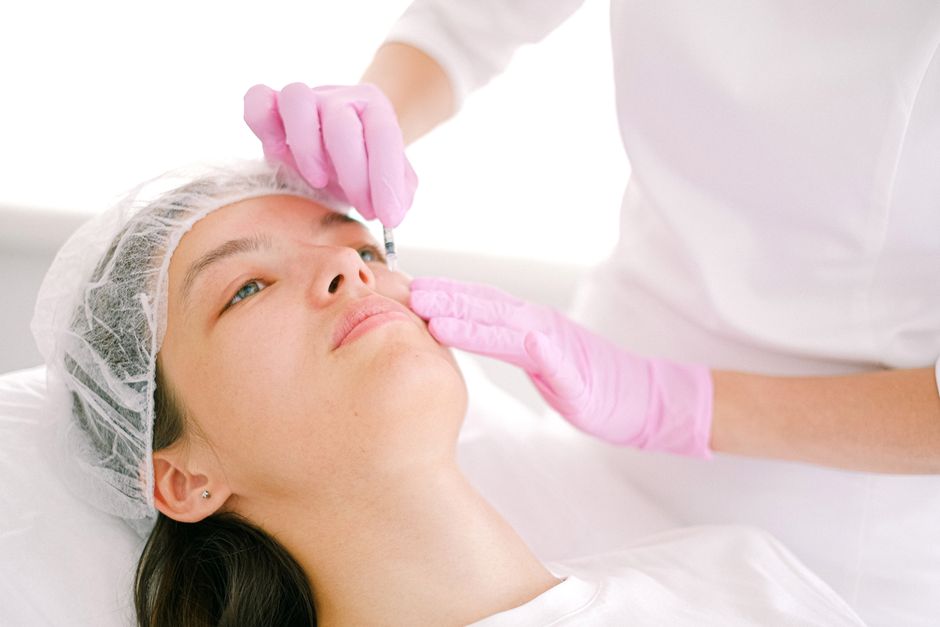
Botox injections are a recognized treatment for temporomandibular joint (TMJ) disorders, but they are not a permanent fix. The effects typically last between three and four months, with some people experiencing relief for up to six months. The timeline for results is not immediate; you will usually see the full effect within one to two weeks after your injection, as the muscle gradually relaxes.
How Long Does Tmj Botox Last Timeline Results
The standard duration for Botox used in TMJ treatment is roughly 12 to 16 weeks. This is because Botox works by blocking nerve signals to the masseter muscle, the large muscle at the back of your jaw that does most of the chewing. When the nerve signal is blocked, the muscle cannot contract as forcefully, which reduces the strain on the joint and eases pain.
Your body metabolizes the Botox protein over time. As the effect wears off, the nerve endings regenerate and the muscle gradually regains its full strength. For most patients, this means scheduling a new round of injections every three to four months to maintain the results. Some patients find that with repeated treatments, the muscle stays smaller and the symptoms become less intense, potentially extending the time between sessions, but this varies widely from person to person.
What Is the Typical Timeline for Botox Results in the Jaw?
Do not expect immediate relief after leaving the clinic. The timeline for visible and felt results follows a predictable pattern. In the first 24 to 48 hours, you may notice a slight heaviness or a feeling that the jaw is “tired,” but there is usually no significant pain reduction yet.
Most patients begin to notice a reduction in jaw tension and clenching within the first week. The full therapeutic effect, where the muscle is sufficiently relaxed to reduce pain and headaches, typically peaks between days 10 and 14. If you are getting Botox for cosmetic jaw slimming, the visible change in muscle size takes longer, usually appearing around four to six weeks after the injection.
Why Does Botox for TMJ Wear Off?
Botox does not cure the underlying cause of your TMJ disorder. It manages the symptom of muscle overactivity. The active ingredient is a purified protein that temporarily blocks the release of acetylcholine, a chemical that tells your muscles to contract.
Because the protein is broken down and cleared by your body, the effect is temporary. The speed at which this happens depends on your individual metabolism, the dose used, and how often you use those muscles. People who grind their teeth heavily at night may find the effect wears off faster because the muscle is being stimulated more aggressively.





Factors That Affect How Long TMJ Botox Lasts
Several variables determine whether you get three months or six months of relief. The dose is the most significant factor. A higher dose generally lasts longer, but it also carries a higher risk of side effects, such as a weak smile or difficulty swallowing. Your clinician balances the dose to provide relief while minimizing those risks.
The severity of your clenching also matters. If you have severe bruxism (teeth grinding), the muscle works harder to overcome the Botox, which can shorten the duration of effect. The specific injection sites also play a role. Injecting into multiple points of the masseter muscle provides more complete relaxation than a single injection point.
- Dosage: Higher doses last longer but increase side effect risk.
- Muscle strength: Stronger muscles may metabolize the product faster.
- Frequency of use: Constant clenching and grinding can accelerate wear-off.
- Individual metabolism: Faster metabolism clears the protein quicker.
What Results Can You Expect from TMJ Botox?
The primary goal of Botox for TMJ is pain relief. Research consistently shows that Botox can reduce the frequency and intensity of jaw pain, facial pain, and tension headaches associated with TMJ disorders. Many patients also report a reduction in the audible clicking or popping of the joint, although this is less consistent than pain relief.
It is important to understand what Botox does not do. It will not fix a displaced disc within the joint. It will not correct a misaligned bite. If your pain is primarily caused by arthritis in the joint itself, Botox may offer limited benefit because it only targets the muscle, not the joint structure. Your clinician should perform a thorough exam to determine if muscle spasm is the primary driver of your pain before recommending Botox.
Are There Risks or Side Effects with TMJ Botox?
Botox is generally considered safe when administered by an experienced clinician, but it is not without risks. The most common side effect is temporary weakness in nearby muscles. This can manifest as a “crooked” smile if the toxin spreads to the muscles around the mouth, or difficulty chewing if the dose is too high.
Some patients experience bruising, swelling, or pain at the injection site. These are usually mild and resolve within a few days. A rare but serious complication is dysphagia, or difficulty swallowing, which can occur if the toxin spreads to the muscles in the throat. This is why the procedure must be done by a professional who understands the anatomy of the jaw and neck. Always inform your provider of any medications you take, as some antibiotics and blood thinners can interact with Botox.
How Often Should You Get TMJ Botox Injections?
The standard recommendation is to schedule injections when your symptoms return. For most people, this is every 12 to 16 weeks. Do not get injections more frequently than every 12 weeks, as this can increase the risk of your body developing antibodies against the Botox protein, which can make future treatments less effective.
Some clinicians recommend a “re-education” protocol during the first year. This involves getting injections on a fixed schedule, regardless of whether symptoms have returned, to keep the muscle consistently relaxed. The theory is that prolonged relaxation can retrain the muscle to be less active. However, this approach is not strongly supported by large clinical trials, and many practitioners now prefer to treat on an as-needed basis.
How Does TMJ Botox Compare to Other Treatments?
Botox is not the first-line treatment for TMJ disorders. Conservative options like physical therapy, oral splints, stress management, and over-the-counter pain relievers are usually tried first. These treatments are cheaper, non-invasive, and carry no risk of muscle weakness.
Botox is typically considered when these conservative treatments fail to provide adequate relief. It is also used when the primary problem is severe muscle spasm or clenching. Compared to surgery, Botox is far less invasive and has a much shorter recovery time. However, surgery may be necessary if imaging shows a structural problem in the joint that Botox cannot address.
Is TMJ Botox Covered by Insurance?
Coverage is inconsistent. Most insurance plans consider Botox for TMJ to be “off-label” because the FDA has not approved it specifically for this condition, although it is approved for other muscle spasticity conditions. Many insurance companies deny coverage, classifying it as a cosmetic procedure.
If you are paying out of pocket, the cost is significant. A single treatment session for TMJ typically ranges from $300 to $800, depending on the dose and your geographic location. Since you need multiple sessions per year, the annual cost can be substantial. Check with your insurance provider before starting treatment to understand your financial responsibility.
Frequently Asked Questions
How quickly does Botox work for TMJ pain?
Most people feel the full pain-relieving effect within 10 to 14 days after the injection. Some early reduction in tension may be noticed within the first week.
Can TMJ Botox make the pain worse before it gets better?
Some patients report a temporary increase in soreness at the injection site for the first day or two. This is usually mild and fades as the Botox begins to relax the muscle.
Is Botox for TMJ a permanent cure?
No, Botox is a temporary treatment that manages symptoms for three to four months. It does not cure the underlying structural or behavioral causes of TMJ disorder.
What happens if I stop getting TMJ Botox injections?
Your jaw muscle will gradually regain full strength over several months. Your original symptoms, such as clenching and pain, will likely return to their previous level.
