
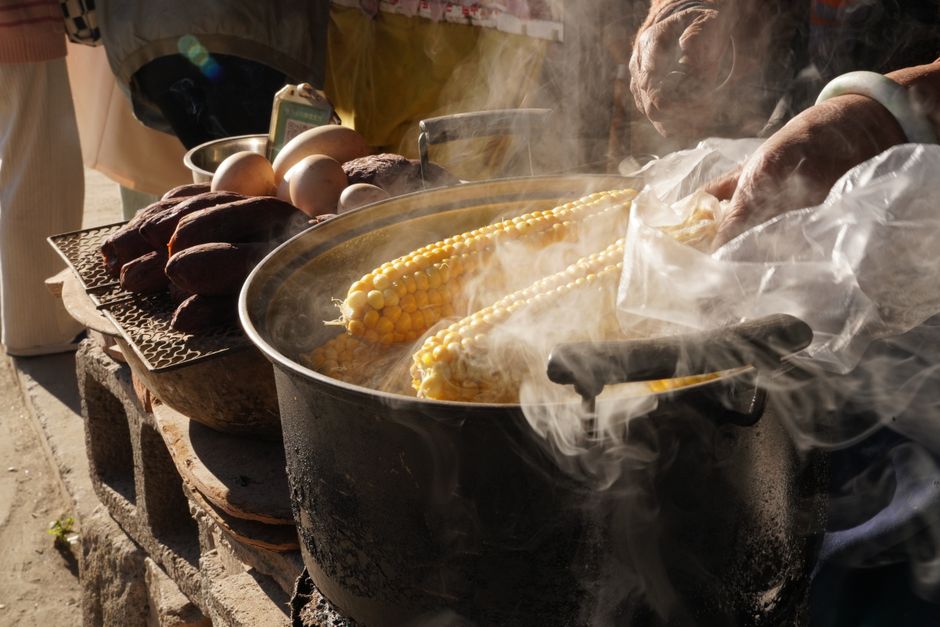
Boiling corn on the cob is simple, but getting it right makes a real difference. The sweet spot is 4 to 7 minutes for fresh, husked corn in boiling water. Shorter times preserve crunch and sweetness; longer times produce a softer, more tender kernel. For most people, 5 minutes is the perfect balance.
How Long Should Corn Cob Boil? The Exact Timeline
Fresh corn on the cob needs only a short cook time. The kernels are already tender and sweet right off the stalk. Boiling mainly warms them through and softens the starches slightly.
Here is the timeline based on how you like your corn:
- 3 to 4 minutes: Crisp, snappy kernels with maximum sweetness. The corn is fully heated but still has a noticeable bite.
- 5 to 6 minutes: The classic texture. Tender but not mushy. This is the recommended range for most people.
- 7 to 8 minutes: Softer kernels that yield easily. Good for those who prefer very tender corn or for older ears that are past their peak.
- 10+ minutes: Mushy and waterlogged. Avoid this. Overcooked corn loses sweetness and develops a dull, starchy flavor.
Start your timer only after the water returns to a full rolling boil with the corn inside. If you drop corn into water that is not boiling yet, the total cook time changes and the kernels can become tough.
Does the Type of Corn Change the Boiling Time?
Yes, but not by much. The three main types of corn you will find at a grocery store or farmers market behave differently in the pot.
Sweet corn is the standard for boiling. It has high sugar content and thin skins. It cooks quickly and needs only 4 to 6 minutes. This is what most recipes refer to when they give boiling times.
Bi-color and white corn varieties are also sweet corn. They cook in the same window. The color does not change the time.
Field corn is the type used for animal feed, cornmeal, and popcorn. It is not meant for boiling fresh. It is starchy, tough, and will not become tender no matter how long you cook it. If you bought corn labeled for grinding or feeding, do not try to boil it for dinner.
Frozen corn on the cob needs slightly longer. Add 2 to 3 minutes to your total time. Frozen cobs should go straight into the boiling water without thawing. They typically need 7 to 9 minutes total.
Do You Add Salt to the Water?
This is a common debate, and the evidence is clear. Do not add salt to the water when boiling corn.
Salt in the cooking water draws moisture out of the kernels through osmosis. This makes the corn tougher and less juicy. The kernels can also take on a slightly mealy texture.
Instead, salt the corn after it is cooked. Butter, salt, and pepper applied directly to the hot cob give the best flavor without affecting texture.
Some cooks add a pinch of sugar to the water. This does not make the corn sweeter because sugar molecules are too large to pass through the kernel’s skin. The corn’s sweetness comes entirely from the corn itself. Skip the sugar.




Should You Boil Corn with the Husks On or Off?
Remove the husks and silk before boiling. This is the standard method and gives the most consistent results.
Boiling with husks on is possible, but it changes the cooking time and the result. The husks act as insulation, so the corn takes longer to cook. You would need to add 5 to 10 minutes. The corn also steams rather than boils, which produces a different texture.
For the timeline described in this article, husked corn is assumed. If you prefer to boil with husks on, expect a longer cook time and softer kernels. Many people find the husk method makes the corn harder to handle and does not improve flavor.
The fastest way to remove silk is to peel back the husks, grab the silk at the top, and pull downward in one motion. Most of the silk comes off in one or two pulls. Rinse the cob under cold water to remove any remaining strands.
What Is the Best Way to Boil Corn?
The method matters as much as the time. Follow these steps for consistent results:
- Fill a large pot with enough water to fully cover the corn. A 6- to 8-quart pot works well for 4 to 6 ears.
- Bring the water to a full rolling boil before adding the corn.
- Add the husked corn cobs carefully. Use tongs to avoid splashing.
- Cover the pot to bring the water back to a boil faster.
- Set your timer for 5 minutes once the water is boiling again.
- Remove the corn with tongs immediately when the timer goes off.
Do not leave cooked corn sitting in hot water. The residual heat continues to cook the kernels, and they will become mushy quickly. Serve immediately or move the cobs to a platter and cover with foil to keep warm.
One non-obvious detail: the size of the pot matters. If you crowd too many cobs into a small pot, the water temperature drops and takes longer to return to a boil. This extends the cook time and can make the corn unevenly cooked. Give the corn room to move.
How to Tell When Corn Is Done
Visual cues are not reliable with corn. The kernels do not change color dramatically when cooked.
The best test is to pierce a kernel with your fingernail or the tip of a knife. A cooked kernel should be plump and tender. The juice that escapes should be milky and slightly cloudy. If the juice is clear and watery, the corn is undercooked. If the kernel is shriveled and tough, it is overcooked.
Another simple test: bite one kernel directly off the cob. This is the most reliable method and the fastest. If it tastes starchy or raw, give it another minute. If it is tender and sweet, it is done.
Remember that corn continues to cook slightly after you remove it from the water. If it tastes almost done, it will be fully done by the time you bring it to the table.
Does Boiling Time Affect Nutrition?
Boiling corn does change its nutritional profile slightly. Water-soluble nutrients, particularly B vitamins and vitamin C, can leach into the cooking water.
Research consistently shows that boiling vegetables causes some nutrient loss compared to steaming. For corn specifically, the loss is modest. The corn still delivers fiber, folate, thiamin, and antioxidants after boiling.
To minimize nutrient loss, keep the cooking time short and use only as much water as needed. The 4 to 7 minute window is short enough that nutrient loss remains minimal. Overcooking corn for 15 or 20 minutes will cause more significant nutrient loss.
If maximum nutrient retention is your priority, steaming is a better method. Steamed corn takes about the same time and preserves more water-soluble vitamins. However, the difference is small enough that boiling fresh corn for 5 minutes remains a perfectly healthy choice.
Common Mistakes That Ruin Boiled Corn
Several errors consistently produce disappointing corn. Avoid these:
- Boiling too long. This is the most common mistake. Corn does not need 20 minutes. It needs 5.
- Adding salt to the water. This toughens the kernels.
- Using old corn. Fresh corn is sweeter and more tender. The sugars in corn convert to starch quickly after harvest. Corn that has sat in the refrigerator for a week will never taste as good as corn eaten the day it was picked.
- Dropping corn into cold water. The slow temperature rise makes the kernels tough and starchy.
- Letting cooked corn sit in the hot water. The residual heat overcooks the kernels.
If you have corn that is a few days old, the 7 minute end of the range will produce better results than the 4 minute end. Older corn needs a bit more time to soften.
What If You Do Not Want to Boil at All?
Boiling is not the only way to cook corn on the cob. Other methods produce excellent results and are worth considering:
Grilling: Grilled corn develops a smoky flavor and charred kernels. Keep the husks on and grill for 15 to 20 minutes, turning occasionally. Or husk the corn and grill directly for 8 to 10 minutes, turning to get even char.
Microwaving: Leave the husk on and microwave one ear for 3 to 4 minutes. Let it rest for 2 minutes, then cut off the bottom and squeeze the cob out of the husk. This method is fast and requires no pot.
Steaming: Steam husked corn for 5 to 7 minutes in a steamer basket over boiling water. This preserves slightly more nutrients than boiling.
Instant Pot or pressure cooker: Cook husked corn on high pressure for 2 minutes, then quick release. This is the fastest method and produces tender kernels.
Each method changes the flavor and texture slightly. Boiling produces the classic, clean corn flavor. Grilling adds smokiness. Microwaving is the most convenient. Choose based on your equipment and mood.
Frequently Asked Questions
How long should corn on the cob boil?
Boil fresh, husked corn for 4 to 7 minutes in salted-free boiling water. Five minutes is the sweet spot for most people.
Do you boil corn before or after shucking?
Shuck the corn first. Remove the husks and silk, rinse the cob, then boil for 5 minutes.
How long does frozen corn on the cob take to boil?
Frozen corn on the cob needs 7 to 9 minutes in boiling water. Do not thaw it first.
Is it better to boil or steam corn on the cob?
Boiling is faster and produces the classic flavor. Steaming preserves slightly more water-soluble nutrients, but the difference is small. Both methods work well.
