
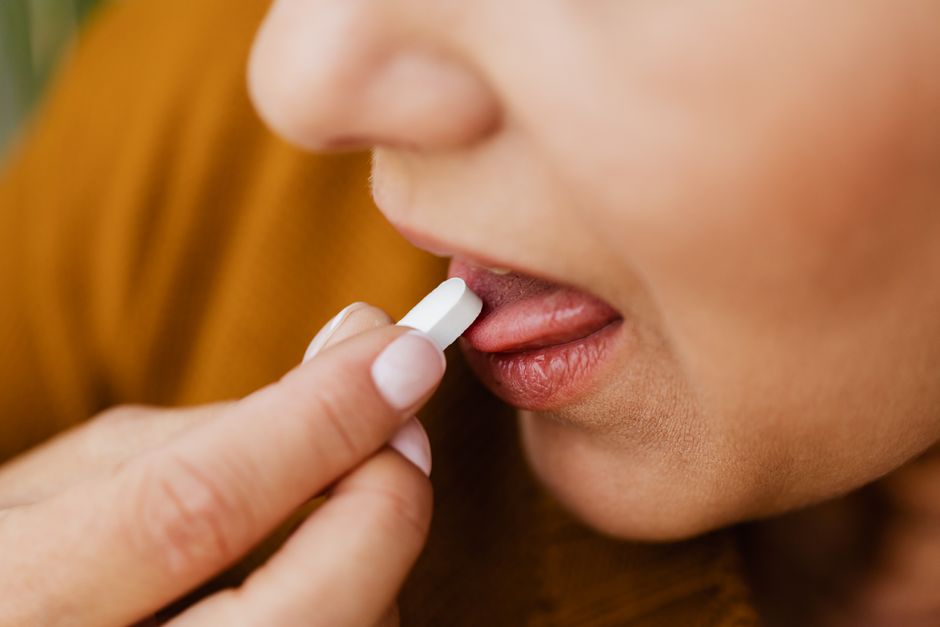
Thrush usually starts improving within 2 to 3 days of starting treatment, and most mild cases clear up within 7 to 14 days. More stubborn cases — especially in people with diabetes, a weakened immune system, or repeated infections — can take several weeks and sometimes need a longer or different course of treatment. The exact timeline depends on where the infection is, your overall health, and whether you finish the full course as prescribed.
What Is Thrush, Exactly?
Thrush is a fungal infection caused by Candida, most often Candida albicans. This yeast naturally lives on your skin and in your mouth, gut, and genital area. It only causes problems when something disrupts the balance that normally keeps it in check.
That disruption can come from antibiotics, which kill off the bacteria that usually compete with yeast. It can come from a weakened immune system, high blood sugar, hormonal shifts, or medications like inhaled steroids. When Candida multiplies out of control, it produces the white patches, redness, itching, or discharge that people recognize as thrush.
Thrush shows up in a few common places. Oral thrush affects the mouth and throat. Vaginal yeast infections are the most familiar form. Thrush can also affect the skin folds, the diaper area in babies, and — less commonly — the esophagus. Each location heals on a somewhat different timeline because the tissue, moisture, and blood supply differ.
How Long Does Thrush Take To Heal With Treatment?
For most healthy adults with a mild infection, symptoms begin easing within 2 to 3 days of starting antifungal treatment. Full clearing usually happens within 1 to 2 weeks. This is the general pattern across the common forms of thrush, though specific sites vary.
Here is a rough guide to what people typically experience:
- Oral thrush: White patches often start to loosen and fade within a few days. A full course of antifungal medication usually runs 7 to 14 days.
- Vaginal yeast infection: Itching and discharge usually improve within 1 to 3 days. A short course of antifungal treatment typically lasts 1 to 7 days depending on the product.
- Skin and diaper-area thrush: Redness and rash often improve within several days with topical antifungal cream, but treatment is usually continued for a week or two after symptoms clear.
- Esophageal thrush: This form needs systemic antifungal medication and can take longer, often 2 to 3 weeks, and it usually signals an underlying immune problem.
These ranges describe typical cases. They are not a guarantee. If your symptoms are not clearly better after a week, that is a signal to check back with a clinician rather than to keep waiting.
Why Does the Timeline Vary So Much?
The single biggest factor is your underlying health. A person with a normal immune system and well-controlled blood sugar will usually clear thrush faster than someone with uncontrolled diabetes or a suppressed immune system. Candida thrives when the body’s defenses are weak or when sugar levels are high.
The location matters too. Moist, warm areas with lots of skin folds tend to be slower to heal. The mouth and vagina respond quickly to treatment because antifungal medications reach those tissues well. Deeper infections, like those in the esophagus, require medication that works throughout the body and take longer.
How you use the treatment also matters. Stopping early — as soon as symptoms fade — is one of the most common reasons thrush comes back or lingers. Antifungal treatment works by reducing the yeast population enough for your body to regain control. If you stop while yeast is still present, it can rebound.
Reinfection is another factor. If the original trigger is still there — tight damp clothing, an unchanged inhaler routine, poorly controlled blood sugar — the infection may seem to “not heal” when it is actually clearing and returning.





What Treatment Actually Does
Antifungal medications work in one of two main ways. Some break down the fungal cell membrane, which the yeast needs to survive. Others stop the yeast from building ergosterol, a key component of that membrane. Either way, the yeast can no longer grow and multiply, and the body clears what remains.
Common treatment options include:
- Topical antifungals for skin, mouth, and vaginal use — creams, gels, lozenges, and suppositories.
- Oral antifungals for infections that need systemic treatment, such as esophageal thrush or stubborn cases.
- Fluconazole and similar prescription drugs for more serious or recurrent infections.
Over-the-counter yeast infection treatments are widely used for vaginal thrush. They can work well for a straightforward first infection. But they are not the right choice for everyone. If you are pregnant, have never had a yeast infection before, have unusual symptoms, or have recurring infections, it is worth seeing a clinician first. Some conditions mimic a yeast infection but need different treatment.
When Should You See a Doctor?
Most mild thrush clears with treatment and does not need medical attention beyond a pharmacist’s advice. But some situations call for a clinician.
See a doctor if:
- Symptoms are not improving after about a week of treatment.
- You have thrush more than four times in a year.
- You have diabetes, HIV, or another condition that affects your immune system.
- You have a fever, difficulty swallowing, or chest pain.
- You are pregnant or breastfeeding and unsure what is safe to use.
- The infection spreads or the skin becomes cracked, bleeding, or very painful.
Recurrent thrush is worth investigating. It can point to undiagnosed diabetes, an immune problem, or a habit that keeps reintroducing the yeast. A clinician can look for the cause rather than just treating the symptom again.
Does Thrush Heal on Its Own Without Treatment?
Mild thrush sometimes improves without treatment, especially in otherwise healthy people. But this is not reliable, and it is not the usual recommendation. Untreated thrush can spread, worsen, or become chronic.
For vaginal yeast infections, some mild cases do resolve on their own within a few days to a week. For oral thrush in a healthy adult, it may also clear without medication in some cases. But in babies, older adults, and anyone with a weakened immune system, thrush can progress and should be treated.
The honest position: waiting is sometimes reasonable for a very mild, first-time infection in a healthy person. It is not a good plan for anyone with risk factors, recurring symptoms, or a compromised immune system.
What Helps Thrush Heal Faster?
Treatment does most of the work. But a few practical steps support healing and reduce the chance of recurrence.
- Finish the full course even after symptoms fade. This is the single most important step.
- Keep the area dry. Yeast grows in warm, moist conditions. Change out of damp clothing promptly and choose breathable fabrics.
- Manage blood sugar if you have diabetes. High glucose feeds yeast.
- Rinse your mouth after using inhaled steroids, and use a spacer if prescribed.
- Avoid unnecessary antibiotics where possible, since they disrupt the bacteria that keep yeast in check.
Some people try probiotics or dietary changes to prevent recurrence. The evidence here is limited. Some studies suggest probiotics may help reduce recurrence in certain groups, but results vary and no clear recommendation exists for treating an active infection. Probiotics are not a substitute for antifungal treatment.
Frequently Asked Questions
How long does thrush take to heal with treatment?
Most mild cases start improving within 2 to 3 days and clear within 7 to 14 days. Stubborn cases, especially with diabetes or a weakened immune system, can take several weeks.
Can thrush go away in 3 days?
Symptoms often ease within 2 to 3 days of starting treatment, but the infection is usually not fully cleared that fast. Finishing the full course matters even after you feel better.
What happens if thrush is not treated?
Mild thrush sometimes clears on its own, but it can also spread, worsen, or become chronic. In people with weakened immune systems, untreated thrush can become serious.
Why is my thrush not healing?
Common reasons include stopping treatment early, an ongoing trigger like high blood sugar, or a condition that mimics thrush. If symptoms persist past a week, see a clinician.
