
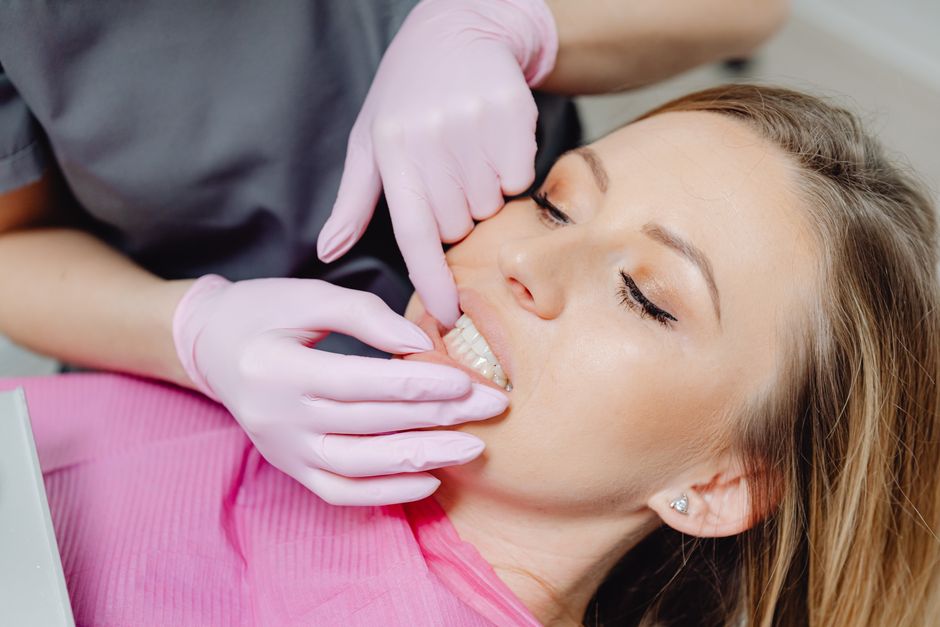
Receding gums happen when the gum tissue that covers the roots of your teeth pulls back, exposing more of the tooth. This is common, especially after age 40, and it can be managed. Treatment ranges from changing how you brush and getting regular professional cleanings to procedures like gum grafting when the recession is advanced. The right option depends on how far the gums have receded, what is causing it, and whether you have symptoms like sensitivity, bleeding, or loose teeth.
What Causes Receding Gums?
Gum recession usually develops slowly over years. The most common driver is periodontal disease — a bacterial infection of the tissues that support the teeth. When plaque and tartar build up along the gumline, the gums become inflamed. Over time, that inflammation destroys the gum tissue and the bone underneath.
But gum disease is not the only cause. Several other factors can push the gums back:
- Aggressive brushing. Scrubbing hard with a firm-bristle brush wears away gum tissue, especially over years.
- Grinding or clenching your teeth. This puts excess force on the gums and the structures holding teeth in place.
- Misaligned teeth or a bad bite. When teeth do not meet properly, some areas take more force than others.
- Thin gum tissue. Some people are born with naturally thin gums that recede more easily.
- Smoking or chewing tobacco. Tobacco reduces blood flow to the gums and is a well-established risk factor for periodontal disease.
- Hormonal changes. Pregnancy, menopause, and puberty can make gums more sensitive.
- Piercings or ill-fitting dental work. Lip or tongue piercings can rub against the gums. Crowns or fillings that do not fit well can trap bacteria.
One thing worth knowing: recession is not always caused by poor hygiene. Some people with excellent oral care still develop it because of genetics, anatomy, or bite issues. Blaming yourself is not useful. Identifying the actual cause is.
What Are the Signs and Symptoms of Receding Gums?
The first sign is often visual — teeth look longer than they used to. You might notice a gap forming between the gumline and the tooth, or a notch near the base of a tooth where the root is exposed.
Other common symptoms include:
- Tooth sensitivity to hot, cold, or sweet foods and drinks
- Bleeding when you brush or floss
- Swollen, red, or tender gums
- Bad breath that does not go away
- Loose teeth in advanced cases
- Visible roots that look yellow or darker than the crown of the tooth
Some people have no symptoms at all in the early stages. That is why regular dental checkups matter — a dentist can measure gum recession and pocket depth before you notice anything.
What Can Be Done About Receding Gums Treatment Options?
Treatment falls into two broad categories: nonsurgical approaches that address the cause and slow or stop progression, and surgical procedures that repair damage when recession is significant.
Nonsurgical Treatment
For mild to moderate recession, the first step is almost always addressing the underlying cause.
- Improved brushing technique. Switching to a soft-bristle brush and using gentle, circular motions instead of sawing back and forth. An electric toothbrush with a pressure sensor can help if you tend to brush too hard.
- Professional deep cleaning. Scaling and root planing removes plaque and tartar from below the gumline and smooths the root surfaces. This is the standard first-line treatment for periodontal disease.
- Antibiotic or antimicrobial treatment. In some cases, dentists place antibiotic gels or chips into gum pockets after deep cleaning. Some clinicians also prescribe oral antibiotics. These are used alongside mechanical cleaning, not instead of it.
- Bite adjustment. If your bite is contributing to recession, a dentist may reshape the biting surfaces of your teeth to distribute force more evenly.
- Night guard. If grinding is a factor, a custom guard protects your teeth and gums during sleep.
- Desensitizing agents. For exposed roots that are sensitive, dentists can apply fluoride varnish or bonding agents to reduce discomfort.
These measures can stop or slow recession. They generally cannot grow back gum tissue that has already been lost.
Surgical Treatment
When recession is advanced, when roots are severely exposed, or when gum disease has destroyed supporting bone, surgery may be recommended.
- Gum graft. This is the most common surgical procedure for recession. A dentist or periodontist takes a small piece of tissue — usually from the roof of your mouth or from a donor source — and attaches it to the receded area. The graft covers exposed roots, reduces sensitivity, and can prevent further recession. Results are generally good, though outcomes vary based on the technique, the amount of recession, and individual healing.
- Flap surgery (pocket reduction surgery). The gums are lifted back, tartar is removed from deep pockets, and the gums are repositioned. This is used mainly for periodontal disease rather than recession alone.
- Bone grafting. If gum disease has destroyed bone around the teeth, a bone graft can help regenerate some of that bone. This is not a treatment for gum recession itself but for the bone loss that often accompanies it.
- Guided tissue regeneration. A membrane is placed between the gum and bone to encourage new tissue growth. This is used in specific cases and results vary.
Not everyone with recession needs surgery. Many people with mild recession do well with nonsurgical care and monitoring. The decision depends on how much root is exposed, whether there is active gum disease, and whether you have symptoms that affect daily life.




Can Receding Gums Grow Back on Their Own?
No. Once gum tissue has receded, it does not regenerate on its own. This is one of the most persistent myths about gum recession.
Gum grafting can cover exposed roots and restore some tissue coverage, but that is a surgical procedure, not natural regrowth. No toothpaste, mouthwash, oil, or supplement has been shown in clinical trials to regrow receded gums. Products that claim to do so are making claims that no human study has confirmed.
The realistic goal of treatment is to stop progression, protect exposed roots, and reduce symptoms. In some cases, grafting can improve coverage. But “growing back” gums without surgery is not something current evidence supports.
What Happens If Receding Gums Are Left Untreated?
Untreated recession tends to get worse over time, though the speed varies widely from person to person. As more root surface is exposed, several things can happen:
- Increased tooth sensitivity that may make eating and drinking uncomfortable
- Higher risk of root cavities, because root surfaces are softer than enamel and more vulnerable to decay
- Continued loss of gum tissue and bone, which can eventually lead to loose teeth
- Tooth loss in severe cases
- Changes in appearance that affect confidence
The progression is not always linear. Some people stay stable for years. Others worsen quickly. Regular dental visits allow your dentist to track changes and adjust treatment before problems become severe.
How Can You Prevent Further Gum Recession?
Prevention focuses on removing the forces and conditions that cause recession in the first place.
- Brush gently with a soft-bristle toothbrush. Hold it at a 45-degree angle to the gumline and use small circular motions.
- Floss daily. This removes plaque from between teeth where a toothbrush cannot reach.
- Do not smoke or use chewing tobacco.
- Address grinding or clenching with a night guard.
- See your dentist for regular checkups and cleanings. Professional cleanings remove tartar that you cannot remove at home.
- If you have diabetes, keep blood sugar well controlled. Diabetes is a well-established risk factor for periodontal disease.
- Eat a balanced diet and limit sugary snacks and drinks.
If you notice your gums are receding, do not wait. Early intervention is almost always easier and less invasive than treatment for advanced recession.
When Should You See a Dentist?
Make an appointment if you notice any of the following:
- Teeth that look longer than they used to
- Visible roots or a notch near the gumline
- Tooth sensitivity that is new or getting worse
- Bleeding when you brush or floss
- Swollen, red, or tender gums
- Loose teeth
- Persistent bad breath
Your dentist can measure the amount of recession and check for periodontal pockets. If needed, they may refer you to a periodontist — a dentist who specializes in gum disease and gum surgery.
Frequently Asked Questions
Can receding gums be fixed without surgery?
Mild to moderate recession can often be managed with improved brushing, professional deep cleaning, and treatment of underlying causes like gum disease or grinding. These approaches can stop or slow recession but generally cannot replace lost gum tissue.
Is gum grafting painful?
Most people report mild to moderate discomfort after gum grafting, which is usually managed with over-the-counter pain relievers. Your dentist or periodontist will give you specific instructions for recovery.
Does oil pulling regrow receding gums?
No. Oil pulling has not been shown in clinical trials to regrow gum tissue or reverse recession. Some studies suggest it may reduce plaque and gingivitis, but it is not a treatment for gum recession.
How fast do receding gums progress?
The rate varies widely. Some people remain stable for years, while others worsen more quickly depending on the cause, oral hygiene, and overall health. Regular dental visits help track changes.
