
Sickle beta thalassemia is a genetic blood disorder that combines features of two separate conditions: sickle cell disease and beta thalassemia. A person with this condition inherits one gene for sickle hemoglobin and one gene for beta thalassemia. The result is a form of sickle cell disease that can range from mild to severe, depending on exactly which gene variants were inherited.
It is one of several “compound” hemoglobin disorders, meaning the person carries two different abnormal hemoglobin genes rather than two copies of the same one. Doctors sometimes call it HbS/beta-thalassemia. The symptoms can look like classic sickle cell disease, or they can be so mild that the condition is not discovered until adulthood.
What Is Sickle Beta Thalassemia?
Sickle beta thalassemia is an inherited blood disorder in which the body makes an abnormal form of hemoglobin. Hemoglobin is the protein inside red blood cells that carries oxygen. In this condition, two things go wrong at once.
The sickle gene causes hemoglobin to form stiff rods under low-oxygen conditions. This makes red blood cells change from smooth discs into crescent or “sickle” shapes. The thalassemia gene reduces how much normal beta globin the body produces. Together, these two problems leave the person with less healthy hemoglobin and red blood cells that can break down or block blood flow.
There are two main subtypes, and the difference matters for how severe the disease is. Beta-zero (β0) means the thalassemia gene produces no normal beta globin at all. Beta-plus (β+) means it produces some, but less than normal. People with the beta-plus form generally have a milder course than those with beta-zero.
This condition is not the same as sickle cell anemia (HbSS), though they share a family of symptoms. Sickle beta thalassemia is also distinct from sickle cell trait, which usually causes no symptoms.
How Do You Inherit Sickle Beta Thalassemia?
You inherit it by receiving one gene from each parent. One parent passes on a sickle hemoglobin gene. The other passes on a beta thalassemia gene. A person who inherits both has sickle beta thalassemia.
This pattern means the parents themselves may not have the disease. A parent who carries only the sickle gene usually has sickle cell trait, which typically causes no symptoms. A parent who carries only a beta thalassemia gene usually has beta thalassemia trait, which is also generally mild or silent.
The condition is most common in people with ancestry from regions where malaria has historically been widespread. These include parts of sub-Saharan Africa, the Mediterranean, the Middle East, and South and Southeast Asia. The gene variants that cause these disorders persisted in those populations because carrying one copy offered some protection against malaria.
If two people each carry one of these genes, each pregnancy carries a chance of passing on the combined condition. Genetic counseling can help families understand their specific risk.
What Are the Symptoms of Sickle Beta Thalassemia?
Symptoms vary widely. Some people have frequent painful episodes and serious complications. Others have mild anemia and few problems. The subtype (beta-zero versus beta-plus) is a major reason for this range.
Common symptoms and complications include:
- Anemia, which can cause fatigue, pale skin, and shortness of breath
- Painful episodes called vaso-occlusive crises, when sickled cells block blood flow
- Swelling of the hands and feet, often in young children
- Frequent infections
- Delayed growth and puberty in children
- Yellowing of the skin and eyes (jaundice)
- Enlarged spleen, which can worsen anemia
- Vision problems if blood vessels in the eye are affected
The painful crises are the hallmark for many patients. They happen when sickle-shaped cells get stuck in small blood vessels and cut off oxygen to tissue. The pain can strike the chest, back, arms, legs, or abdomen and can last from hours to days.
One important point: symptoms do not always appear in infancy. Babies are protected early on by a different form of hemoglobin called fetal hemoglobin, which the body stops making after birth. Signs usually emerge in the first year or two of life, but in mild beta-plus cases, the first clear symptoms may not show up until later childhood or even adulthood.





How Is It Diagnosed?
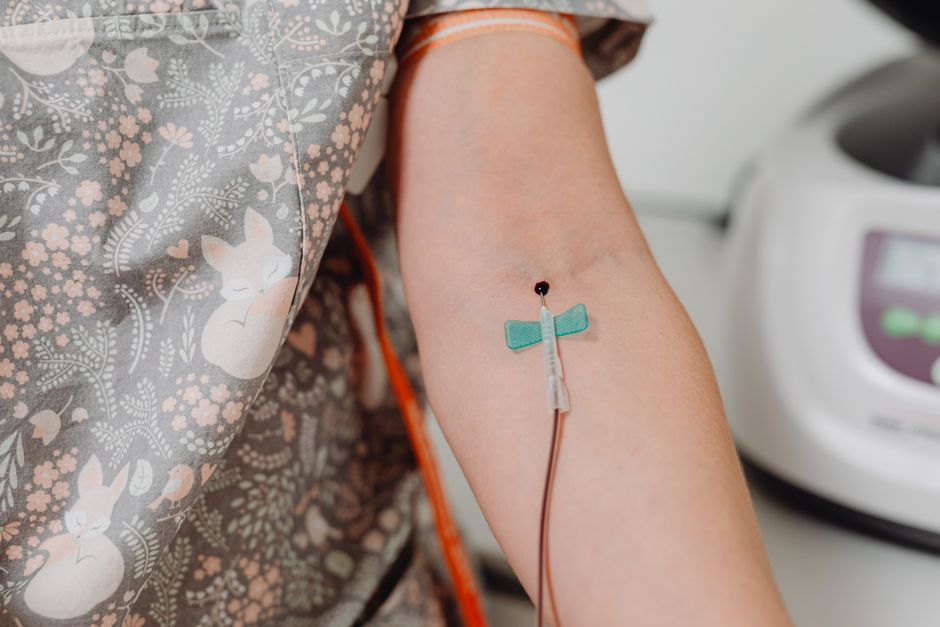
Diagnosis starts with a blood test. A complete blood count can show anemia, and a blood smear may reveal sickle-shaped cells. But these findings alone cannot tell sickle beta thalassemia apart from other sickle cell disorders.
The key test is hemoglobin electrophoresis, sometimes combined with high-performance liquid chromatography. These tests separate and identify the different types of hemoglobin in the blood. They can detect sickle hemoglobin and show the reduced or absent normal beta globin that points to a thalassemia gene.
Because the results can overlap with other conditions, doctors sometimes need additional testing. Genetic testing can confirm exactly which gene variants a person carries. This is especially useful when the diagnosis is unclear or when a family wants to know their inheritance risk.
In the United States, newborn screening programs test for sickle cell disease in every state, so many cases are found before symptoms begin. However, newborn screening may not always distinguish sickle beta thalassemia from other forms right away, and follow-up testing is often needed.
How Is Sickle Beta Thalassemia Treated?
Treatment depends on how severe the disease is. There is no routine cure outside of a stem cell transplant, so care focuses on managing symptoms, preventing complications, and improving quality of life. A hematologist usually leads the care team.
Common approaches include:
- Hydroxyurea. A medication that can raise fetal hemoglobin levels and reduce painful crises. It is widely used in sickle cell disease, though its benefit in sickle beta thalassemia specifically is less well studied than in sickle cell anemia.
- Pain management. Treating crises promptly with fluids and pain medication. Severe episodes may need hospital care.
- Penicillin and vaccinations. Children are typically given daily antibiotics and routine immunizations to prevent serious infections, which is standard for sickle cell disease.
- Folic acid. Often recommended because the body uses more of it when red blood cells are being replaced quickly.
- Blood transfusions. Used for severe anemia, certain complications, or before surgery.
- Hydration and avoiding triggers. Drinking enough water and avoiding extreme cold, dehydration, and high altitude can reduce crises.
Newer treatments developed for sickle cell disease, including newer medications and gene therapies, have changed care for some patients. Whether and how well these apply specifically to sickle beta thalassemia is an area where evidence is still developing, and eligibility varies. This is a decision to make with a specialist, not from general information alone.
Stem cell transplant is the only established cure. It carries serious risks and is generally reserved for people with severe disease who have a suitable donor. Gene therapies that modify a patient’s own stem cells have been approved for sickle cell disease in recent years, but their role in sickle beta thalassemia specifically is still being studied.
What Is the Outlook?
The outlook varies more than many people expect. Someone with the beta-plus subtype and mild symptoms may live a largely normal life with occasional monitoring. Someone with the beta-zero subtype may face frequent crises and complications similar to sickle cell anemia.
Serious complications can occur in either form. These include stroke, acute chest syndrome (a dangerous lung condition), organ damage, and severe infections. Regular medical care and early treatment of problems make a real difference in outcomes.
Because the disease is inherited, it does not develop or spread over time from an external cause. It is present from birth. What changes over a lifetime is how well it is managed and how the body responds to treatment.
Frequently Asked Questions
Is sickle beta thalassemia the same as sickle cell anemia?
No, they are related but distinct. Sickle cell anemia involves two sickle genes, while sickle beta thalassemia involves one sickle gene and one beta thalassemia gene.
Can sickle beta thalassemia be cured?
Stem cell transplant is the only established cure, and it carries significant risks. Gene therapies approved for sickle cell disease may apply in some cases, but their role in this specific condition is still being studied.
How is sickle beta thalassemia inherited?
A person inherits a sickle hemoglobin gene from one parent and a beta thalassemia gene from the other. In most cases, neither parent has the disease itself.
What is the life expectancy with sickle beta thalassemia?
Life expectancy varies widely depending on the subtype and severity. People with milder beta-plus forms often live near-normal lifespans, while severe cases face more complications.
