
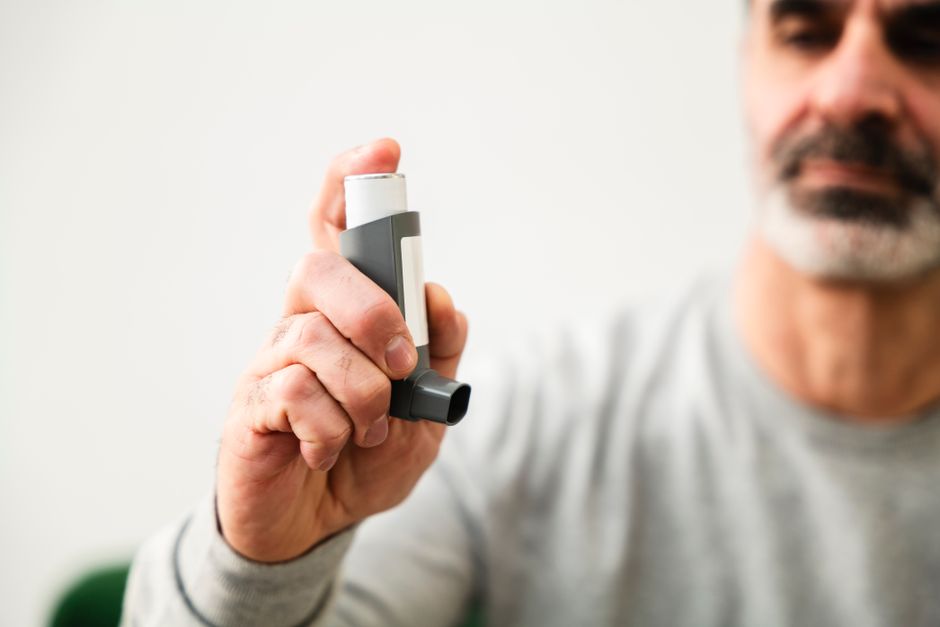
End-stage COPD, also called stage 4 or very severe COPD, is the final phase of the disease. The timeline for this stage varies widely from person to person. On average, people with end-stage COPD may live anywhere from several months to a few years, but this is only a general estimate. Life expectancy depends on lung function, overall health, age, and how well symptoms are managed. For many, the focus shifts from extending life to improving the quality of the time that remains.
What Does End-Stage COPD Actually Mean?
End-stage COPD is the most advanced form of chronic obstructive pulmonary disease. Doctors usually identify this stage when a person’s lung function drops to a specific level. The key measure is FEV1, which stands for forced expiratory volume in one second. This test measures how much air a person can forcefully exhale in one second.
When FEV1 falls below 30 percent of the predicted normal value for a person’s age, height, and sex, the disease is considered very severe. At this point, the lungs have significant structural damage. The airways are narrowed, the air sacs are damaged, and the exchange of oxygen and carbon dioxide is seriously impaired.
People at this stage often need supplemental oxygen around the clock. Even simple activities like walking across a room or getting dressed can cause severe breathlessness. The disease has a major impact on daily life, and the person’s ability to function independently often declines.
How Long Does The End-Stage Of COPD Last? Timeline Guide
The honest answer is that doctors cannot predict exactly how long the end-stage will last. Some people live only a few months after reaching this phase. Others live for two or three years. The median survival time for people with very severe COPD is often cited as around two years, but this number is a statistical average, not a personal prediction.
A key factor in this timeline is whether the person has frequent exacerbations. An exacerbation is a sudden worsening of symptoms, often triggered by a respiratory infection or air pollution. Repeated severe exacerbations are linked to faster decline and shorter survival. A person who has two or more exacerbations requiring hospitalization in a year generally has a poorer outlook than someone who has fewer flare-ups.
Another important measure is the BODE index. This tool combines body mass index, airway obstruction, dyspnea (breathlessness), and exercise capacity to estimate survival. A higher BODE score indicates a shorter predicted survival time. This index gives a more complete picture than lung function alone because it accounts for how the disease affects daily functioning.
Age and overall health also play a role. An older person with other chronic conditions like heart disease or diabetes may have a shorter timeline than a younger person with only COPD. The rate of decline is not linear. A person may be stable for months and then decline rapidly after a severe infection or complication.
What Does the Final Phase Look Like?
The final weeks or months of end-stage COPD follow a recognizable pattern for many people. Breathlessness becomes constant and severe. Even with maximum oxygen support, the person often feels that they cannot get enough air. This symptom is distressing, but it is important to know that palliative care can help manage it.
Fatigue becomes profound. The body works so hard to breathe that little energy remains for anything else. Sleeping becomes difficult because lying flat worsens breathlessness. Many people need to sleep propped up or sitting in a chair. Appetite typically decreases, leading to weight loss and muscle wasting. This condition, called cachexia, is common in advanced lung disease.
Cognitive changes can also occur. Low oxygen levels and high carbon dioxide levels in the blood can cause confusion, drowsiness, or difficulty concentrating. The person may become less communicative over time. Some people experience anxiety and fear as breathing becomes harder. This is a normal response to a frightening situation, not a sign of weakness.
In the very final days, breathing may become irregular. Periods of rapid breathing may alternate with pauses. The person may sleep more and become increasingly difficult to wake. Secretions in the throat can cause a rattling sound when breathing. This is often called the death rattle, but it is not painful to the person. These signs indicate that the body is shutting down.




What Treatments Are Available at This Stage?
Treatment at this stage focuses on comfort and symptom control. The goal is no longer to reverse the disease, because that is not possible. Instead, the goal is to reduce suffering and maintain the best possible quality of life.
Supplemental oxygen is the mainstay of treatment. It relieves breathlessness and helps maintain oxygen levels in the blood. For people with chronic respiratory failure, oxygen therapy has been shown to improve survival. It is typically used for at least 15 hours per day.
Medications continue to play a role. Bronchodilators help open the airways. Corticosteroids reduce inflammation. Opioid medications are sometimes used in low doses to reduce the sensation of breathlessness. This is a legitimate use of these drugs, though it requires careful medical supervision.
Pulmonary rehabilitation may still be offered, though it is adapted to the person’s limited capacity. The focus is on breathing techniques, energy conservation, and gentle exercise. For some, noninvasive ventilation — a mask that helps with breathing — may be used, especially at night or during exacerbations.
For a small number of carefully selected patients, lung transplantation may be an option. This is a major surgery with significant risks. It is only considered for people who are otherwise healthy enough to survive the procedure and the recovery period. Most people with end-stage COPD are not candidates for transplantation.
When Should Palliative Care or Hospice Begin?
Palliative care is appropriate at any stage of a serious illness. It is not the same as hospice. Palliative care can be provided alongside curative or life-prolonging treatments. It focuses on relieving symptoms, managing pain, and supporting the emotional and spiritual needs of the patient and family.
Hospice care is a specific type of palliative care for people who are expected to live six months or less. A doctor must certify that the disease is terminal. In hospice, the focus shifts fully to comfort. Curative treatments are stopped. The goal is to allow the person to die peacefully and with dignity, surrounded by people who care for them.
Many people wait too long to start hospice. Some doctors and families view it as giving up, but this is a misunderstanding. Hospice provides skilled nursing care, medication management, and emotional support. It can significantly improve the quality of the final months. Studies have shown that people in hospice often report better symptom control and less distress than those who continue aggressive treatment.
Having conversations about end-of-life care is difficult but important. The person with COPD should be involved in these decisions whenever possible. Advance directives and do-not-resuscitate orders allow the person to state their wishes in writing. These documents ensure that their preferences are respected even if they become unable to communicate.
Frequently Asked Questions
What is the average life expectancy for end-stage COPD?
The median survival is often reported as around two years after reaching very severe COPD, but this varies widely. Some people live only months, while others survive for several years depending on age, overall health, and the frequency of severe flare-ups.
Can end-stage COPD last for years?
Yes, some people live for several years after reaching end-stage COPD. The rate of decline is not predictable, and periods of stability can last for months before a sudden worsening.
What are the signs that death is near in COPD patients?
Signs in the final days include irregular breathing, long pauses between breaths, increased drowsiness, difficulty waking, and a rattling sound in the throat. Severe breathlessness and profound fatigue are common in the final weeks.
When should hospice care start for COPD?
Hospice is appropriate when a doctor certifies that the person is expected to live six months or less. Starting hospice earlier rather than later often provides better symptom control and quality of life.
