
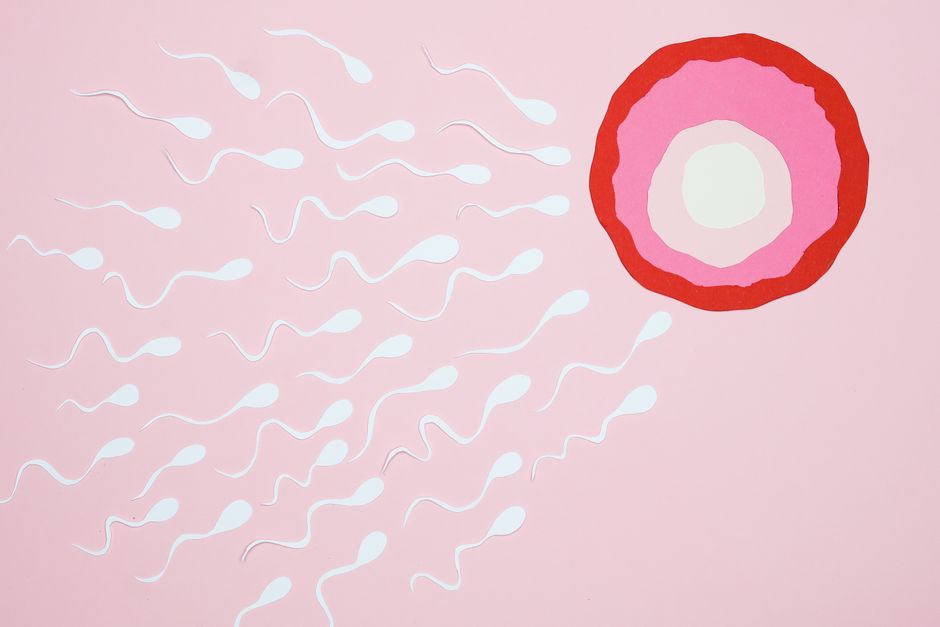
Ovulation typically occurs once per cycle, roughly 14 days before your next period starts. For a person with a standard 28-day cycle, that falls around day 14. But cycle lengths vary, so the exact day can range anywhere from day 11 to day 21 depending on your personal cycle.
When Does Ovulation Typically Occur in a Menstrual Cycle
Ovulation is the moment a mature egg releases from the ovary. It happens in the middle of your cycle, but “middle” is not the same for everyone.
The menstrual cycle has two main phases. The first phase, called the follicular phase, starts on the first day of your period and ends at ovulation. The second phase, the luteal phase, starts after ovulation and ends when your next period begins.
The luteal phase is remarkably consistent. It lasts about 14 days for most people, with a normal range of 12 to 16 days. Because this phase is stable, the timing of ovulation is determined by counting backward from your next expected period.
So the rule is simple: ovulation occurs about 14 days before your next period, not 14 days after your last one. This distinction matters because it shifts the predicted day based on your total cycle length.
How Cycle Length Changes Your Ovulation Day
If your cycle is longer than 28 days, ovulation happens later. If your cycle is shorter, ovulation happens earlier.
Here is how that plays out in practice:
- 28-day cycle: Ovulation around day 14
- 30-day cycle: Ovulation around day 16
- 26-day cycle: Ovulation around day 12
- 35-day cycle: Ovulation around day 21
These are estimates, not guarantees. The follicular phase is the variable part of the cycle. It can last anywhere from 10 to 22 days in healthy adults. That variability is normal and does not indicate a problem.
What matters clinically is not whether you ovulate on day 14 or day 18. What matters is that ovulation happens at all and that it happens consistently enough for your needs.
What Actually Happens During Ovulation
Understanding the mechanism helps explain why timing matters.
Each cycle, hormones from the brain stimulate the ovaries to prepare a follicle — a fluid-filled sac containing an egg. As the follicle grows, it produces estrogen. Rising estrogen levels eventually trigger a surge of luteinizing hormone, or LH. This LH surge is the final signal that causes the follicle to release the egg.
The egg survives for only about 12 to 24 hours after release. If sperm does not fertilize it within that window, the egg dissolves and the cycle moves forward.
Sperm, in contrast, can survive inside the female reproductive tract for up to five days. This is why the fertile window extends beyond the single day of ovulation. Pregnancy is possible from intercourse that happens in the five days before ovulation and on the day of ovulation itself.
This timing is the foundation of both fertility awareness methods and conception planning.





How to Detect Ovulation at Home
Several methods can help you identify when ovulation is happening. Each has strengths and limitations.
Calendar tracking: This method uses your cycle history to predict the approximate day. It is the least precise because it assumes your next cycle will match your past cycles. It works best for people with very regular cycles.
Cervical mucus changes: In the days before ovulation, cervical mucus becomes clear, stretchy, and slippery — similar to raw egg white. This change is caused by rising estrogen. The appearance of this fertile mucus signals that ovulation is approaching.
Basal body temperature: After ovulation, progesterone causes your resting body temperature to rise by about 0.5 to 1 degree Fahrenheit. This rise confirms ovulation has already occurred. It cannot predict ovulation in advance, but tracking it across cycles can reveal your pattern.
Ovulation predictor kits: These urine tests detect the LH surge that occurs 24 to 36 hours before ovulation. A positive result means ovulation is likely within the next day or two. These kits are more precise than calendar methods and are widely available over the counter.
Combining two methods — such as cervical mucus tracking with ovulation predictor kits — gives the most accurate picture for most people.
Common Signs and Symptoms of Ovulation
Some people feel ovulation happening. Others notice no physical signs at all. Both are normal.
When symptoms do occur, they typically include:
- Mild cramping or a twinge on one side of the lower abdomen
- Light spotting
- Breast tenderness
- Increased sex drive
- Bloating
The cramping, sometimes called mittelschmerz, is caused by the follicle stretching and rupturing as it releases the egg. It usually lasts a few minutes to a few hours, though some people feel it for a day or two.
These symptoms are useful signals, but they are not reliable enough alone to confirm ovulation. A person can feel cramps without ovulating, and many people ovulate without feeling anything.
What If Ovulation Does Not Happen on Schedule
Occasional irregular ovulation is common and usually not a concern. Stress, illness, travel, significant weight changes, and disrupted sleep can all delay ovulation by days or even skip it entirely for a cycle.
But some patterns warrant attention:
- Cycles consistently shorter than 21 days or longer than 35 days
- No period for three months or more
- Very irregular cycles that vary by more than 7 to 9 days from month to month
- Heavy, painful, or prolonged bleeding
These patterns can indicate conditions that affect ovulation, such as polycystic ovary syndrome, thyroid disorders, or premature ovarian insufficiency. If you are trying to conceive and have irregular cycles, or if you have been trying for a year without success — six months if you are over 35 — discuss it with a healthcare provider.
No home test can diagnose why ovulation is irregular. That requires medical evaluation.
Does Ovulation Timing Change With Age
Yes, but not in the way most people expect.
In the years leading up to menopause, often starting in the late 30s to mid-40s, cycles may become shorter. Ovulation can occur earlier in the cycle than it did in younger years. Some research suggests this is because the follicular phase shortens with age.
After age 40, cycles may also become more variable. Some months ovulation happens earlier, some later, and some not at all. This variability is a normal part of the transition to menopause, but it can make conception timing more challenging.
Understanding your individual pattern matters more than any average. Tracking across several cycles gives you the most reliable picture of your own timing.
Frequently Asked Questions
Can you ovulate more than once in a cycle?
No, only one egg is typically released per cycle. In rare cases, two eggs may release within 24 hours of each other, which can lead to fraternal twins, but this is not the same as ovulating twice in separate events.
How many days after ovulation does your period start?
Your period starts about 14 days after ovulation, with a normal range of 12 to 16 days. This is because the luteal phase is consistent, regardless of your total cycle length.
Is day 14 of the cycle always ovulation day?
No, day 14 is only the average for a 28-day cycle. If your cycle is longer or shorter, ovulation shifts accordingly, typically occurring 14 days before your next period rather than on a fixed calendar day.
Can you get pregnant if you have sex after ovulation?
It is unlikely. The egg survives only 12 to 24 hours after release, so intercourse after ovulation usually occurs too late. The highest pregnancy rates come from intercourse in the five days before ovulation and on ovulation day itself.
