
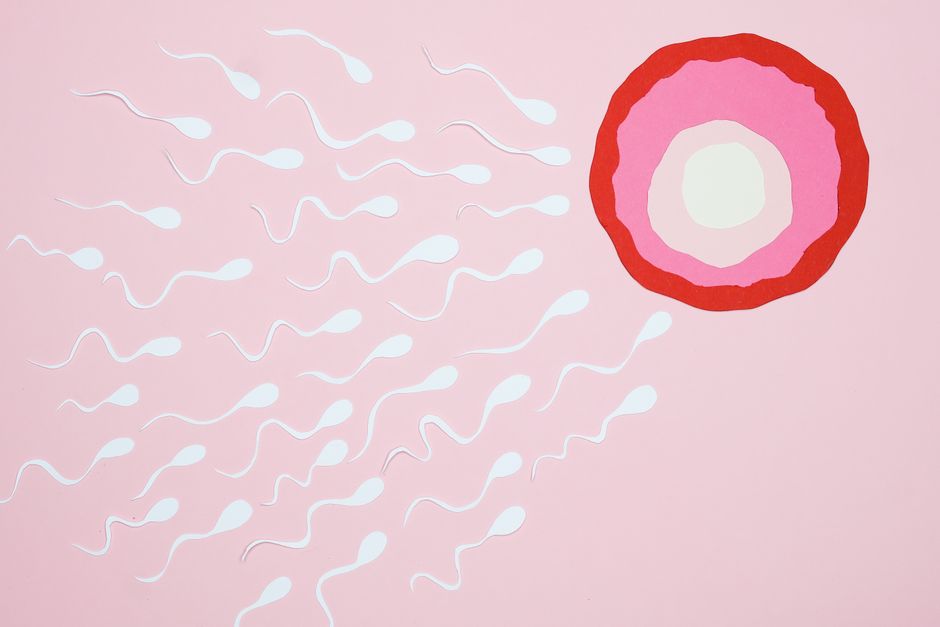
The egg survives about 12 to 24 hours after ovulation. If sperm does not fertilize it within that window, the egg breaks down and is absorbed by the body. This short window is why timing matters so much for anyone trying to conceive.
What Happens During Ovulation
Ovulation is the release of a mature egg from one of the ovaries. The egg travels into the fallopian tube, where it waits for sperm. This release is triggered by a surge of luteinizing hormone, often called LH. That surge happens about 36 hours before the egg is actually released.
Once the egg is out, the clock starts. The egg is at its best for fertilization during the first 12 hours. After that, its quality declines quickly. By 24 hours, the chance of fertilization is very low. By 36 hours, it is essentially zero.
This is not a flexible timeline. Unlike sperm, which can survive inside the female reproductive tract for up to five days, the egg has no such endurance. It is one of the shortest-lived cells in the human body.
Why the Egg Dies So Quickly
The egg does not have its own energy supply. It relies on the surrounding cells in the follicle to nourish it. Once released, those supporting cells are left behind. Without them, the egg cannot maintain its internal environment for long.
The egg also needs to complete a second stage of cell division before it can be fertilized. This process, called meiosis, is delicate. If the egg ages too long before fertilization, errors in this division become more likely. That is why eggs fertilized late in the 24-hour window have higher rates of chromosomal abnormalities.
Some research suggests that fertilization occurring more than 12 hours after ovulation may lead to poorer embryo quality. The evidence is not definitive, but it aligns with what fertility specialists observe in clinical practice.
How This Affects Your Chances of Conception
The fertile window is longer than the egg’s lifespan because sperm can wait. Sperm can survive in the cervical mucus and fallopian tubes for up to five days. This means intercourse in the days before ovulation can still result in pregnancy.
The best timing is to have sperm already waiting in the fallopian tube when the egg arrives. Intercourse one to two days before ovulation gives sperm time to travel and be ready. Intercourse on the day of ovulation also works well. Intercourse after ovulation is much less likely to succeed because the egg may already be too old or gone.
For a typical couple with no fertility issues, the chance of pregnancy from a single act of intercourse on the day of ovulation is around 20 to 30 percent. That number drops sharply if intercourse happens more than 12 hours after the egg is released.





How to Know When You Are Ovulating
Knowing when ovulation happens is the challenge. The egg itself cannot be detected. But there are reliable signs that ovulation is approaching or has occurred.
LH surge testing is the most common home method. These tests detect the rise in luteinizing hormone that happens 24 to 36 hours before the egg is released. A positive test means ovulation will likely occur within the next day or two. This gives you a practical window for intercourse.
Basal body temperature rises about 0.5 to 1 degree Fahrenheit after ovulation. This confirms ovulation happened, but it is too late to time intercourse for that cycle. It is useful for tracking patterns over several months.
Cervical mucus becomes clear, stretchy, and slippery around ovulation. This is the body’s way of helping sperm travel. The presence of this mucus is a good sign that ovulation is near.
No single sign is perfect. Combining LH testing with cervical mucus observation gives the most accurate picture for home use.
How Long After Ovulation Is the Egg Viable 12 24 Hours — What the Research Shows
The 12 to 24 hour figure comes from decades of fertility research. Studies of natural conception cycles have consistently shown that pregnancy only occurs when intercourse happens within a six-day window ending on the day of ovulation. Intercourse after ovulation rarely results in pregnancy.
The clearest data comes from studies that tracked daily hormone levels and ultrasound imaging. These studies show that fertilization is most likely when intercourse occurs in the two days before ovulation. The probability drops to near zero when intercourse happens more than 24 hours after the egg is released.
Some fertility specialists use a more conservative estimate of 12 hours for optimal fertilization. This is because egg quality declines steadily after release, even if the egg technically survives the full day. The difference between 12 and 24 hours matters less for natural conception and more for assisted reproduction, where timing is precisely controlled.
What This Means for People Trying to Conceive
The practical takeaway is simple: have intercourse before ovulation, not after. The sperm needs to be in place before the egg arrives. Waiting for a positive ovulation test to have intercourse is often too late for that cycle.
For most couples, having intercourse every one to two days during the fertile window maximizes the chance of conception. This is a well-established recommendation from reproductive medicine. It does not require perfect timing or daily testing.
If you have been trying to conceive for over a year without success, or over six months if you are over 35, it is reasonable to see a fertility specialist. They can offer testing that goes beyond home ovulation tracking, such as blood hormone levels and ultrasound monitoring.
Does the Egg Viability Window Change With Age?
Age affects egg quality but not the 12 to 24 hour viability window. An egg from a 40-year-old survives the same amount of time as an egg from a 25-year-old. What changes is the likelihood that the egg is genetically normal.
As women age, a higher percentage of eggs have chromosomal abnormalities. This does not shorten the fertilization window, but it does reduce the chance that fertilization leads to a healthy pregnancy. The egg may be fertilized within 12 hours, but if it is abnormal, the embryo will likely not implant or will miscarry early.
This distinction matters. The timing advice does not change with age. But the overall chance of pregnancy per cycle does decline, especially after age 35.
Common Myths About Egg Viability
One myth is that the egg can survive for several days. This is not true. The 12 to 24 hour window is one of the most consistent findings in human reproductive biology.
Another myth is that having intercourse multiple times on the day of ovulation increases chances. It does not. One well-timed act is sufficient. Multiple acts do not improve egg viability or increase the odds of fertilization.
A third myth is that ovulation pain or mittelschmerz can tell you exactly when the egg is released. Ovulation pain can occur before, during, or after release. It is not a reliable timer.
When Emergency Contraception Is Needed
Because the egg dies within 24 hours, emergency contraception works by delaying ovulation, not by harming an already fertilized egg. If taken before ovulation, it pushes back the release of the egg so sperm die before the egg appears.
Once the egg has been released, emergency contraception cannot stop fertilization from happening. This is why emergency contraception must be taken as soon as possible after unprotected intercourse. Its effectiveness drops with each passing day.
If you are concerned about pregnancy after unprotected sex, speak with a healthcare provider about your options and timing. Do not wait.
Frequently Asked Questions
Can an egg survive longer than 24 hours after ovulation?
No. The egg is viable for about 12 to 24 hours after release, and its quality declines sharply after the first 12 hours.
How many days after ovulation can you get pregnant?
You can only get pregnant in the 12 to 24 hours after the egg is released. Intercourse after that window will not result in pregnancy.
Is the egg viable for 24 hours or 12 hours?
Both figures are used. The egg technically survives up to 24 hours, but fertilization is most likely in the first 12 hours when egg quality is highest.
Can sperm fertilize an egg the day after ovulation?
Only if intercourse happened before or very early in the egg’s lifespan. Sperm can wait for the egg, but the egg cannot wait for sperm.
