
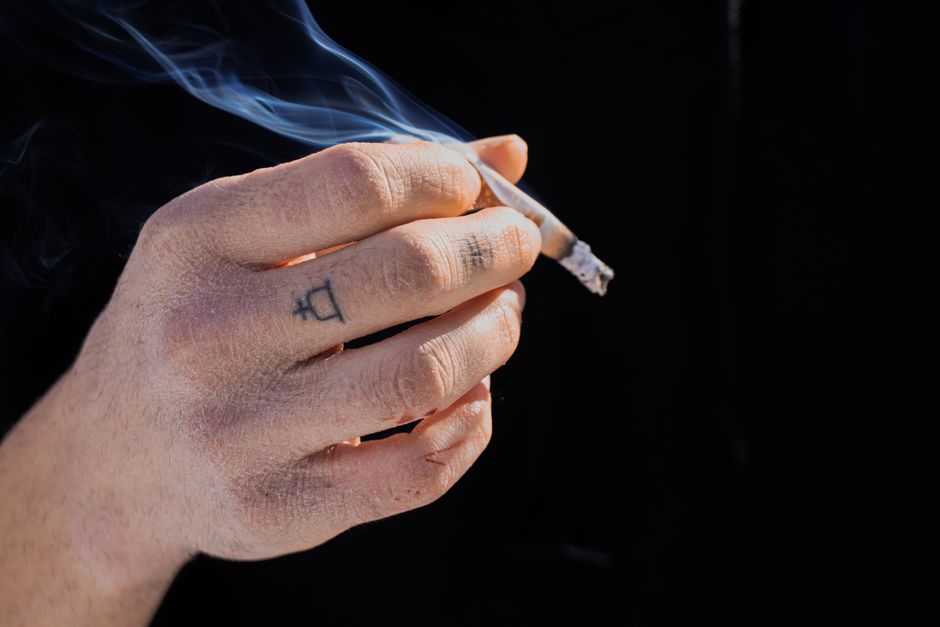
Nicotine typically stays in your blood for one to three days after your last cigarette or vape. However, the exact time depends on several personal factors, including how much you use, your metabolism, and your age. A standard blood test can usually detect nicotine for up to 72 hours, but its breakdown product, cotinine, may remain detectable for a bit longer.
How Long Does Nicotine Stay In Blood
Nicotine has a short half-life of about two hours. This means your body eliminates half of the nicotine in your bloodstream every two hours or so. After about 10 hours, most of the nicotine has left your blood. However, the story does not end there.
When your liver processes nicotine, it creates cotinine. Cotinine stays in the body much longer than nicotine itself. Its half-life is roughly 16 hours. For this reason, most medical tests look for cotinine rather than nicotine. It provides a more reliable window into recent tobacco use.
What Affects How Long Nicotine Remains Detectable
Several factors change how quickly your body clears nicotine. No two people process it at the exact same speed.
- Frequency of use: Daily smokers build up nicotine and cotinine in their tissues. Occasional users clear it faster.
- Metabolism: People with faster metabolisms process nicotine more quickly. This includes younger adults compared to older adults.
- Genetics: Some people carry liver enzymes that break down nicotine rapidly. Others process it slowly.
- Kidney function: Your kidneys filter nicotine and cotinine into urine. Impaired kidney function slows elimination.
- Body mass: Nicotine is stored in fat tissue to some degree. Higher body fat can extend detection time.
- Hydration: Drinking fluids can dilute urine, which may affect urine test results. It does not speed up how fast your liver clears nicotine.
Testing Windows for Nicotine and Cotinine
Different tests have different detection windows. Knowing which test you may face helps you understand what results to expect.
| Test Type | Detection Window |
|---|---|
| Blood test for nicotine | 1 to 3 days |
| Blood test for cotinine | Up to 10 days |
| Urine test for cotinine | 3 to 4 days for occasional users |
| Urine test for cotinine | Up to 3 weeks for heavy smokers |
| Saliva test | 1 to 4 days |
| Hair follicle test | Up to 3 months |
Hair tests do not measure current nicotine levels. They detect long-term exposure patterns. A hair test cannot tell if you smoked yesterday.





How Nicotine Moves Through Your Body
When you inhale tobacco smoke or vape aerosol, nicotine enters your lungs and moves quickly into your bloodstream. It reaches your brain within about 10 to 20 seconds. This rapid delivery is part of why nicotine is so addictive.
Your liver breaks down most of the nicotine you absorb. Around 70 to 80 percent becomes cotinine. The remaining nicotine exits your body through urine. Small amounts also leave through saliva and sweat.
Your blood carries nicotine to every organ in your body. This is why nicotine affects heart rate, blood pressure, and digestion. Even after nicotine leaves your blood, its effects on your brain and body can linger for weeks.
Nicotine vs. Cotinine: Why the Difference Matters
Nicotine itself disappears quickly. Cotinine does not. This distinction matters for anyone facing a drug test or trying to understand withdrawal.
If you stop using tobacco today, nicotine levels in your blood drop significantly within hours. But cotinine will remain measurable for days. Medical professionals often use cotinine levels to confirm whether someone has recently used tobacco. It is the preferred marker because it is more stable and easier to detect.
Some people try to speed up nicotine elimination by drinking lots of water or exercising. These habits support general health, but they will not dramatically accelerate the process. Your liver works at its own pace.
Withdrawal Timeline: What Happens as Nicotine Leaves Your Blood
Physical withdrawal symptoms usually begin within a few hours of your last use. They peak around two to three days after quitting. This timing matches the period when nicotine fully clears from your bloodstream.
Common withdrawal symptoms include irritability, anxiety, difficulty concentrating, increased appetite, and strong cravings. These symptoms are uncomfortable but temporary. Most physical withdrawal symptoms ease within two to four weeks.
Psychological cravings can last much longer. Triggers like coffee, alcohol, or social situations may bring on cravings months after your last cigarette. These are learned associations, not signs that nicotine remains in your body.
Does Vaping Change the Timeline
Vaping delivers nicotine in a similar way to smoking. The nicotine enters your bloodstream and is processed by the same liver enzymes. The detection window for vaped nicotine is essentially the same as for smoked nicotine.
The difference lies in other chemicals. E-liquids contain propylene glycol and vegetable glycerin, which are not typically tested for in standard nicotine panels. The nicotine itself behaves identically regardless of delivery method.
One important note: nicotine salts in many vape products deliver higher nicotine concentrations. This may lead to higher cotinine levels in your system compared to traditional cigarettes. Higher levels can extend detection time slightly.
Why Some People Test Positive Longer Than Others
Heavy, daily users often test positive for cotinine longer than light users. This is not because nicotine accumulates indefinitely. It is because cotinine builds up in tissues when you use nicotine regularly. Your body stores it in fat and slowly releases it over time.
Age also plays a role. Liver blood flow decreases with age, which slows drug metabolism. An older adult may clear nicotine and cotinine more slowly than a younger person with the same smoking history.
Certain medications can affect how quickly your liver processes nicotine. Rifampicin, an antibiotic, speeds up nicotine breakdown. Some antidepressants and blood pressure medications may slow it down. Always discuss medication interactions with your doctor.
Can You Remove Nicotine From Your Blood Faster
No method has been proven to meaningfully speed up nicotine elimination. Your liver processes nicotine at a rate determined largely by your genetics and overall health.
What you can do is support your body’s natural processes. Staying hydrated helps your kidneys excrete nicotine byproducts. Regular exercise improves circulation and may support liver function. Eating a balanced diet ensures your liver has the nutrients it needs to process chemicals.
Be skeptical of products claiming to flush nicotine from your system quickly. Detox drinks, herbal supplements, and other commercial products have no reliable clinical evidence supporting their effectiveness. Some can even interfere with test results in unpredictable ways.
Frequently Asked Questions
How long does nicotine stay in blood for a light smoker?
Nicotine itself clears within one to three days for most people. Cotinine may remain detectable for up to a week in light users.
Can a blood test detect nicotine after 7 days?
Standard blood tests rarely detect nicotine after 72 hours. Cotinine may be found in blood for up to 10 days in some heavy users.
Does drinking water help remove nicotine from blood?
Water supports kidney function but does not speed up how fast your liver clears nicotine. It may dilute urine, which can affect urine test results.
How long does nicotine stay in your system for a drug test?
Urine tests can detect cotinine for three to four days in occasional users and up to three weeks in heavy smokers. Hair tests detect nicotine use for up to three months.
