
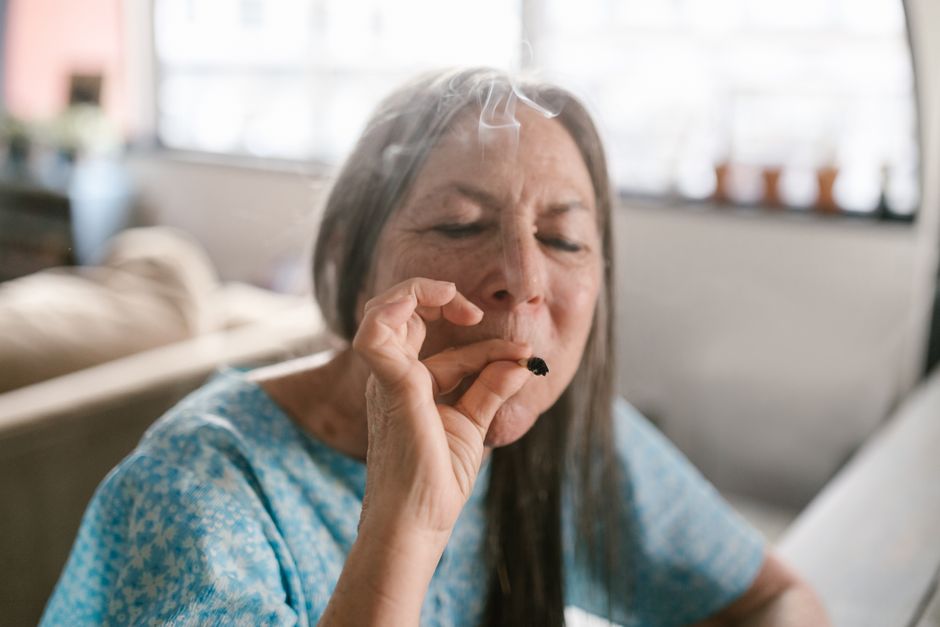
Most people finish a cigarette in about 5 to 8 minutes. Smokers who take longer, slower drags may stretch it to 10 minutes. The exact time depends on how deeply you inhale, how often you puff, and the cigarette itself. A person who smokes quickly and takes large drags can finish in under 5 minutes.
What Determines How Fast a Cigarette Burns?
Several physical factors control the burn rate of a cigarette. The density of the tobacco matters. A tightly packed cigarette burns slower than a loosely packed one.
Paper porosity also plays a role. Cigarette paper has tiny holes that let air in. More air means a faster burn. The length of the cigarette matters too — a 100mm cigarette takes longer than a standard 84mm king-size.
Environmental conditions change burn time as well. Wind speeds up burning because it feeds oxygen to the ember. Humidity slows it down. A cigarette smoked outdoors on a breezy day will burn noticeably faster than one smoked indoors in a still room.
How Smoking Style Changes the Time
Your puffing pattern is the biggest variable. Someone who takes a drag every 20 seconds will finish much faster than someone who puffs every 45 seconds.
Inhalation depth matters. Deep inhales pull more air through the burning cone, raising the temperature and speeding combustion. Shallow mouth-only puffs keep the burn slower.
Some smokers hold the cigarette between their fingers without puffing for long stretches. This extends the total time significantly. The cigarette keeps smoldering, but slowly.
Research on smoking topography — the study of how people smoke — shows wide variation. Some smokers finish in 3 minutes. Others take 12. There is no single standard time because human behavior varies so much.
Does Burn Time Affect Nicotine Delivery?
Yes. Faster smoking delivers more nicotine per minute. The body absorbs nicotine rapidly through the lungs, and each puff sends a fresh dose to the brain.
Smokers who finish quickly get a sharper spike in blood nicotine levels. Slower smokers get a steadier, lower peak. This is one reason some people smoke quickly — they are chasing a stronger effect.
But faster smoking also means more tar and carbon monoxide per minute. The lungs are exposed to a higher concentration of smoke in a shorter window. This does not necessarily mean more total exposure per cigarette, but it does mean a more intense one.





Does Cigarette Type Change Burn Time?
Different products burn at different rates. “Light” and “ultra-light” cigarettes often use more porous paper to dilute the smoke with air. That design can make them burn faster.
Menthol cigarettes may burn at a similar rate to regular ones, but the cooling sensation can change how quickly a person puffs. Some studies suggest menthol smokers take larger and deeper drags, which could shorten total smoking time.
Hand-rolled cigarettes behave differently from commercial ones. They are often packed by hand, which creates uneven density. This can cause them to burn unevenly or go out entirely. A hand-rolled cigarette might take longer to finish simply because the smoker has to relight it.
E-cigarettes and vaping devices do not burn at all. They heat a liquid to create vapor. Comparing their “puff time” to a burning cigarette is not meaningful because the mechanics are completely different.
What Happens in the Body During Those Minutes?
The timeline of a single cigarette is well documented. Within about 10 seconds of the first puff, nicotine reaches the brain. It binds to receptors and triggers the release of dopamine, creating a mild reward sensation.
Heart rate begins to rise within a minute. Blood pressure increases. The airways open slightly because nicotine and other compounds relax the bronchial muscles.
Carbon monoxide from the smoke binds to hemoglobin in the blood. Hemoglobin normally carries oxygen, but it prefers carbon monoxide roughly 200 times more. This reduces the blood’s oxygen-carrying capacity within the first few minutes of smoking.
By the time the cigarette is finished, the smoker has inhaled thousands of chemical compounds. Many are irritants. Some are known carcinogens. The immediate effects — increased heart rate, constricted blood vessels, reduced oxygen delivery — begin to fade within 20 to 30 minutes after the last puff.
Is There a “Normal” Time to Smoke?
There is no medical standard for how long a cigarette should take. The question is descriptive, not prescriptive. Observational studies of smokers show that most finish in the 5 to 8 minute range, but this is a statistic, not a rule.
The time matters more than most smokers realize. The faster a cigarette is smoked, the more intense the nicotine spike. That intensity reinforces the habit. Some addiction researchers believe that rapid smoking patterns are linked to stronger dependence because the brain learns to associate the cigarette with a sharp, immediate reward.
Slower smoking does not make cigarettes safe. The health risks are tied to total lifetime exposure, not the pace of any single cigarette. A person who smokes slowly for 20 years faces the same lung cancer, heart disease, and COPD risks as someone who smoked faster.
How Long Does a Cigarette Stay Lit Without Puffing?
A cigarette left resting in an ashtray will continue to smolder. The ember burns slowly through the paper and tobacco without active puffing.
Depending on the cigarette and airflow, it can burn for 2 to 4 minutes unattended. In a drafty room, it may go faster. In still air, it may go out on its own before reaching the filter.
This smoldering burn is not the same as active smoking. The smoke that rises from the lit end is sidestream smoke. It has a different chemical profile than the smoke inhaled through the filter, and it is a major component of secondhand smoke exposure.
Why Does This Matter for Quitting?
Understanding how long a cigarette takes can help people who are trying to quit. Many cessation programs ask smokers to track their habits, including the time of each cigarette and how long it takes to finish.
This creates awareness of automatic behavior. Many smokers light up without thinking. Timing the cigarette forces attention onto the act itself.
Some harm reduction strategies suggest stretching the time between cigarettes. Delaying a cigarette by 10 minutes when the urge hits can sometimes let the craving pass. This is a behavioral technique, not a medical treatment, but some smokers find it useful.
Nicotine replacement therapy works on a different principle. Patches, gum, and lozenges deliver nicotine steadily to reduce cravings without the rapid spike that comes from smoking. That steady delivery is why NRT does not produce the same reinforcing “hit” as a cigarette smoked in 5 minutes.
Frequently Asked Questions
How long does a cigarette take to burn completely?
An unsmoked cigarette left burning in an ashtray typically smolders for 2 to 4 minutes before going out. An actively smoked cigarette usually lasts 5 to 8 minutes.
Does smoking faster increase health risks?
Faster smoking delivers a more intense dose of tar and carbon monoxide per minute, but total lifetime exposure is the main driver of health risks. The pace of one cigarette does not change the overall disease risk.
Why do some people finish a cigarette in 3 minutes?
People who take frequent, deep drags and inhale forcefully burn through a cigarette quickly. This pattern produces a sharper nicotine spike, which some smokers find more satisfying.
Do light cigarettes burn faster than regular ones?
Many light cigarettes use more porous paper to dilute the smoke with air, which can make them burn faster. The design is about smoke delivery, not burn rate, but faster burning is a common side effect.
