
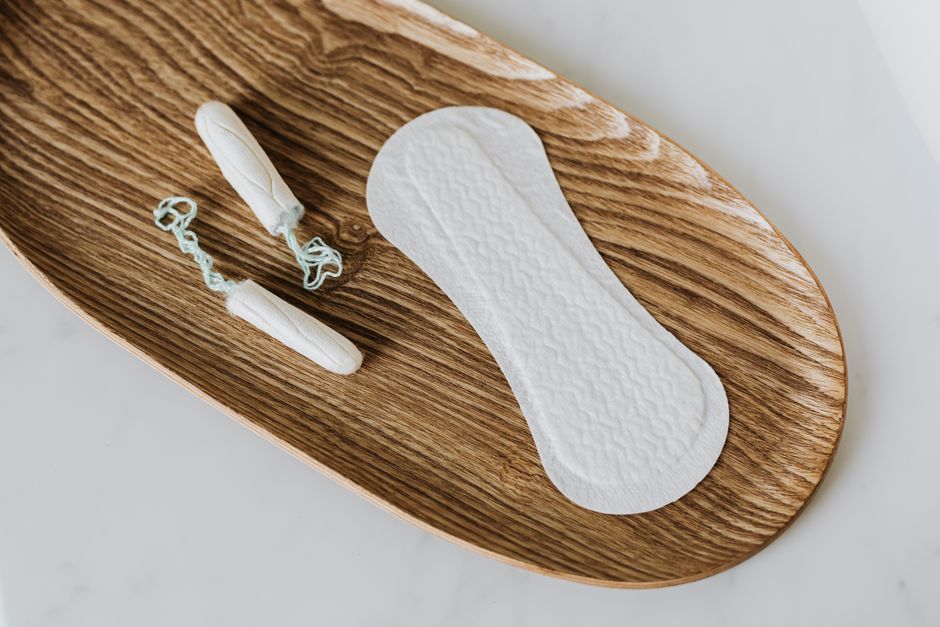
Leaving a tampon in too long is not just uncomfortable—it carries real health risks. The main danger is toxic shock syndrome (TSS), a rare but serious bacterial infection that can become life-threatening. Most manufacturers and health experts recommend changing a tampon every 4 to 8 hours, and never leaving one in for more than 8 hours. If you forget one overnight or for a day, do not panic, but do remove it promptly and watch for warning signs.
How Long Is Too Long For A Tampon?
Standard guidance is to change a tampon every 4 to 8 hours. That window is not arbitrary. It reflects how quickly bacteria can multiply in a warm, moist environment.
Leaving a tampon in beyond 8 hours increases the risk of two problems: vaginal infections and toxic shock syndrome. The longer a tampon stays in, the higher the risk. Some people leave tampons in for days without immediate symptoms, but that does not mean it is safe.
Overnight use is generally acceptable if you insert a fresh tampon right before bed and remove it first thing in the morning. That typically falls within the 8-hour window. If you sleep longer than that regularly, consider using a pad or menstrual cup overnight instead.
What Is Toxic Shock Syndrome?
Toxic shock syndrome is a severe illness caused by certain strains of Staphylococcus aureus (staph) bacteria, and in some cases Streptococcus pyogenes. These bacteria produce toxins that enter the bloodstream and trigger a systemic inflammatory response.
TSS is rare. The estimated incidence is about 1 to 2 cases per 100,000 menstruating people per year. But it is serious. It can cause organ failure, and it can be fatal if not treated quickly.
The link between tampons and TSS became widely known in the early 1980s. Changes in tampon materials and manufacturing since then have reduced the risk, but it has not been eliminated. The CDC still lists tampon use as a risk factor for TSS.
It is not only about how long a tampon is in. Higher absorbency tampons are associated with greater risk. Using the lowest absorbency that meets your flow needs is one way to reduce risk.
Symptoms Of Toxic Shock Syndrome
Symptoms of TSS can come on suddenly. They often resemble the flu but are more severe and progress quickly.
- Sudden high fever, typically above 102°F (38.9°C)
- Low blood pressure, which may cause dizziness or fainting
- A sunburn-like rash, especially on the palms and soles
- Vomiting or diarrhea
- Muscle aches
- Confusion or disorientation
- Redness in the eyes, mouth, or throat
If you have a tampon in and develop a high fever with vomiting, diarrhea, or a rash, remove the tampon immediately and seek emergency medical care. Do not wait to see if symptoms improve. TSS requires hospital treatment, usually with intravenous antibiotics and supportive care.
Do not assume a fever with a tampon in is just a cold or flu. The combination of fever plus tampon use warrants urgent evaluation.





Other Risks Of Leaving A Tampon In Too Long
TSS gets the most attention, but it is not the only risk. A forgotten tampon can cause other problems that are more common.
Vaginal infection. A tampon left in place alters the normal vaginal flora. The trapped blood becomes a growth medium for bacteria. This can lead to bacterial vaginosis or a yeast infection. Symptoms include unusual discharge, odor, itching, or irritation.
Vaginal ulceration. Prolonged contact with a saturated tampon can irritate or damage the vaginal lining. This can cause small sores or ulcers that may bleed or be painful.
Retained foreign body. If a tampon is forgotten entirely, it can remain in the vagina for weeks. Over time, this can produce a foul-smelling, bloody or purulent discharge. In rare cases, it can lead to a condition called toxic shock syndrome, even if the tampon has been in for a shorter period.
These complications are treatable. Once the tampon is removed, most infections resolve with appropriate care. But they are entirely avoidable.
What To Do If You Forget A Tampon
If you realize a tampon has been in longer than 8 hours, remove it as soon as you remember. Do not panic. Most people who leave a tampon in for 12 to 24 hours do not develop TSS. The risk increases with time, but it is still low.
If you cannot remove it yourself, seek help. A clinician can remove it quickly and painlessly in an office visit. Do not leave it in because you are embarrassed. That only increases risk.
After removal, watch for symptoms over the next few days. If you develop a fever, rash, vomiting, or dizziness, get medical care immediately. If you notice an unusual odor or discharge, contact your healthcare provider. You may need treatment for an infection.
Do not insert a new tampon right away. Give your vagina time to recover. Use pads or panty liners until any irritation resolves.
Can A Tampon Get Lost Inside You?
No. A tampon cannot get lost inside your body. The cervix sits at the top of the vagina, and it has only a tiny opening. A tampon cannot pass through it. The tampon remains in the vaginal canal.
What can happen is the string gets tucked up inside, making the tampon hard to find. If that happens, wash your hands and try to locate it with a clean finger. Squatting or bearing down can help bring it within reach.
If you still cannot find it, see a clinician. They can locate and remove it. Do not use tools like tweezers or hangers to retrieve it. That can cause injury.
How To Prevent Leaving A Tampon In Too Long
Prevention is straightforward. Build habits that make forgetting difficult.
- Set a phone alarm for every 4 to 6 hours during the day.
- Change your tampon before bed and immediately after waking.
- Keep a spare tampon in your bag so you are never tempted to stretch the time.
- Use the lowest absorbency tampon that works for your flow.
- Consider alternatives like menstrual cups or discs, which can be worn longer and carry a lower TSS risk.
Menstrual cups and discs are worn for up to 12 hours. They are made of medical-grade silicone and do not absorb fluid the way tampons do. The evidence on TSS risk with cups is limited, but the risk appears lower than with tampons. They are not risk-free, however. Always follow the manufacturer’s instructions for cleaning and wear time.
When To See A Doctor
Seek medical care if you have any of the following after removing a forgotten tampon:
- Fever above 101°F (38.3°C)
- Rash, especially if it looks like a sunburn
- Vomiting or diarrhea
- Dizziness or fainting
- Confusion
- Foul-smelling or unusual vaginal discharge
- Pain or bleeding that does not stop
These symptoms may indicate TSS or a significant infection. Both require medical treatment. Do not wait at home hoping symptoms resolve.
There is no home test for TSS. Blood tests and cultures are needed to confirm the diagnosis. Early treatment dramatically improves outcomes.
Frequently Asked Questions
Can leaving a tampon in for 12 hours cause toxic shock syndrome?
Yes, the risk increases after 8 hours, but most people who leave one in for 12 hours do not develop TSS. Remove it promptly and watch for fever, rash, vomiting, or dizziness.
What does a forgotten tampon smell like?
A forgotten tampon often produces a strong, foul, fishy odor as bacteria multiply in the trapped blood. This odor usually resolves after removal and any necessary treatment.
Can a tampon cause an infection if left in for a day?
Yes, leaving a tampon in for a full day increases the risk of bacterial vaginosis, yeast infection, and toxic shock syndrome. Remove it as soon as you remember and monitor for symptoms.
How do I know if I have toxic shock syndrome from a tampon?
Sudden high fever, vomiting, diarrhea, a sunburn-like rash, and dizziness are the hallmark symptoms. If you have these with a tampon in, remove it and seek emergency care immediately.
