
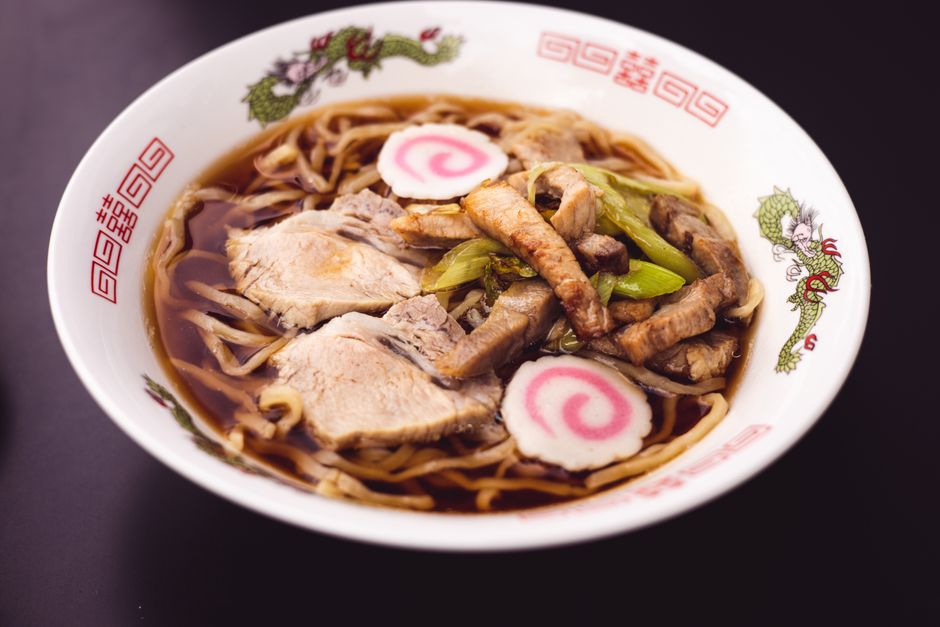
Ramen noodles take roughly 2 to 4 hours to leave your stomach, but full digestion through your entire system can take 24 to 72 hours. The instant variety digests faster than fresh or fried ramen because of how they are processed. However, the specific ingredients, such as the high sodium and refined flour, affect how quickly your body breaks them down.
How Does Digestion Actually Work for Noodles?
Digestion starts in your mouth. Chewing breaks the noodles into smaller pieces, and saliva begins breaking down the carbohydrates. From there, the food moves to your stomach, where acids and enzymes continue the process.
The stomach’s job is to turn the noodles into a liquid-like mixture called chyme. This takes about 2 to 4 hours for most meals. Carbohydrates leave the stomach faster than proteins or fats. Since ramen noodles are mostly refined carbohydrates, they often leave the stomach more quickly than a meal with meat or vegetables.
After the stomach, the chyme enters the small intestine. Most nutrient absorption happens here. Carbohydrates are broken into sugars and absorbed into the bloodstream. This phase lasts about 3 to 5 hours. Finally, the remaining fiber and waste move into the large intestine, where they can stay for 24 to 48 hours before elimination.
The complete process, from first bite to bathroom, usually takes between 24 and 72 hours. This is normal for almost all foods, not just ramen.
Does Instant Ramen Digest Differently Than Fresh Ramen?
Yes. The processing matters more than most people realize.
Instant ramen noodles are pre-cooked, usually by steaming or frying, and then dehydrated. This changes the starch structure. The noodles are easier for your digestive enzymes to access, which can speed up the breakdown process in your stomach.
Fresh ramen noodles are made from wheat flour, water, and kansui, which is an alkaline mineral water. The kansui gives the noodles their signature chewy texture and yellow color. This alkaline treatment changes the gluten structure, making the noodles more resistant to digestion compared to regular pasta.
Some research suggests that instant noodles are broken down and absorbed more quickly than fresh pasta. However, the clinical evidence on the exact difference in digestion time is limited. The practical takeaway is that both types are digested within the normal 2 to 4 hour stomach-emptying window.
What Ingredients Affect How Long Ramen Takes to Digest?
Ramen is not just flour and water. The broth, toppings, and additives all change the digestion timeline.
- Fat content: Fried instant noodles contain more oil. Fat slows stomach emptying. A bowl of tonkotsu ramen with a rich pork broth will stay in your stomach longer than a simple chicken broth version.
- Sodium levels: A single package of instant ramen can contain over 1,500 mg of sodium. High sodium can cause water retention and bloating, but it does not significantly slow digestion.
- Protein and fiber: Adding an egg, pork, or vegetables increases protein and fiber. Both of these take longer to digest than refined carbohydrates.
- Additives: Some instant noodles contain preservatives like tertiary-butylhydroquinone (TBHQ). These are used in tiny amounts and are generally recognized as safe by food regulators, but no human studies confirm they change digestion time.
If you eat a plain package of instant ramen, it will likely digest faster than a loaded bowl of fresh ramen with chashu pork, soft egg, and bamboo shoots. The meal composition matters more than the noodle type.





Why Do Some People Feel Bloated After Eating Ramen?
Bloating after ramen is common, but it is not necessarily a sign of slow digestion. It is often a sign of rapid digestion and fermentation.
Refined carbohydrates digest quickly and spike blood sugar. When the fast-digesting starches reach the large intestine, gut bacteria ferment them, producing gas. This gas causes bloating and discomfort, even though the noodles themselves moved through the stomach normally.
The high sodium content also plays a role. Sodium causes your body to hold onto water, which can make your abdomen feel swollen. This is temporary and resolves as your kidneys process the excess salt over the next day.
For some people, the wheat gluten in ramen causes a mild inflammatory response. This is different from celiac disease. It is a sensitivity that can cause digestive discomfort without the intestinal damage seen in celiac disease. The evidence for non-celiac gluten sensitivity is real but not fully understood, and it varies widely between individuals.
Is Ramen Harder to Digest Than Other Noodles?
Not significantly. In fact, ramen may be easier to digest than whole wheat pasta or soba noodles made from buckwheat.
The refining process removes most of the fiber from the wheat flour. Fiber is what resists digestion and keeps food in your stomach longer. Since ramen noodles have very little fiber, they move through the digestive tract relatively quickly.
Ramen does contain more sodium than most other noodles. This is the biggest difference. The digestion speed is similar to other refined wheat noodles like udon or white spaghetti, but the salt content is much higher.
There is no clinical evidence that ramen noodles are “indigestible” or that they sit in your stomach for hours like a brick. This is a viral myth. The noodles digest like any other refined carbohydrate food.
How Long Does It Take Ramen Noodles to Digest Fully?
Full digestion, meaning the complete transit through your digestive tract, takes 24 to 72 hours. This is the same range for almost all foods.
Stomach emptying takes 2 to 4 hours. Small intestine transit takes 3 to 5 hours. Colon transit takes the longest, often 24 to 48 hours. The total time depends on your individual gut motility, hydration level, physical activity, and what else you eat alongside the ramen.
If you are constipated or dehydrated, the entire process takes longer. If you are well-hydrated and active, it moves faster. There is no single “normal” number that applies to everyone.
What matters is that the noodles themselves do not linger in your stomach. The stomach empties them within a few hours. The rest of the time is the normal process of waste moving through the colon.
Can Ramen Cause Digestive Problems Long-Term?
The evidence on long-term digestive harm from ramen is limited, but some patterns are worth noting.
Eating instant ramen frequently is associated with a higher risk of metabolic syndrome, which includes high blood pressure, high blood sugar, and abnormal cholesterol. This comes from the high sodium, refined carbohydrates, and saturated fat in fried noodles. These conditions affect heart health more than they affect the digestive tract directly.
There is no solid evidence that ramen causes lasting damage to the stomach lining or intestines. The stomach produces a thick mucus layer that protects it from acid and food. Ramen does not erode this layer.
However, a diet centered on ramen lacks fiber, vitamins, and minerals. Fiber supports healthy gut bacteria and regular bowel movements. Without it, you may experience constipation and poor gut health over time. This is a dietary quality issue, not a direct toxic effect of the noodles.
How Can You Make Ramen Easier to Digest?
You do not need to give up ramen. You can change how you eat it.
Add vegetables like bok choy, spinach, or carrots. These add fiber, which slows digestion and feeds healthy gut bacteria. Add a protein source like chicken, tofu, or a soft-boiled egg. Protein increases satiety and balances the blood sugar spike from the refined carbs.
Drink plenty of water before and after eating ramen. This helps your kidneys process the sodium and keeps your digestive tract moving. Avoid eating ramen late at night if you are prone to acid reflux. Lying down soon after a large meal can push stomach contents back up into the esophagus.
Choose baked or air-fried instant noodles over the fried versions if you have the option. The lower fat content will not change digestion time dramatically, but it reduces the total calories and saturated fat in the meal.
Frequently Asked Questions
How long does it take for instant ramen to leave the stomach?
Instant ramen typically leaves the stomach in 2 to 4 hours. The pre-cooked and dehydrated noodles are easy for digestive enzymes to break down.
Why do I feel tired after eating ramen noodles?
The refined carbohydrates cause a rapid rise in blood sugar, followed by a drop. This blood sugar fluctuation can cause fatigue and sluggishness within a few hours.
Does the broth affect how long ramen takes to digest?
Yes. A broth with more fat, like tonkotsu pork broth, slows stomach emptying compared to a lighter broth. Higher fat content means the meal stays in your stomach longer.
Are ramen noodles bad for your gut?
Ramen is not toxic to the gut, but it lacks fiber and is very high in sodium. Eating it occasionally is fine, but a regular diet of ramen can lead to constipation and poor gut health due to the lack of fiber.
