
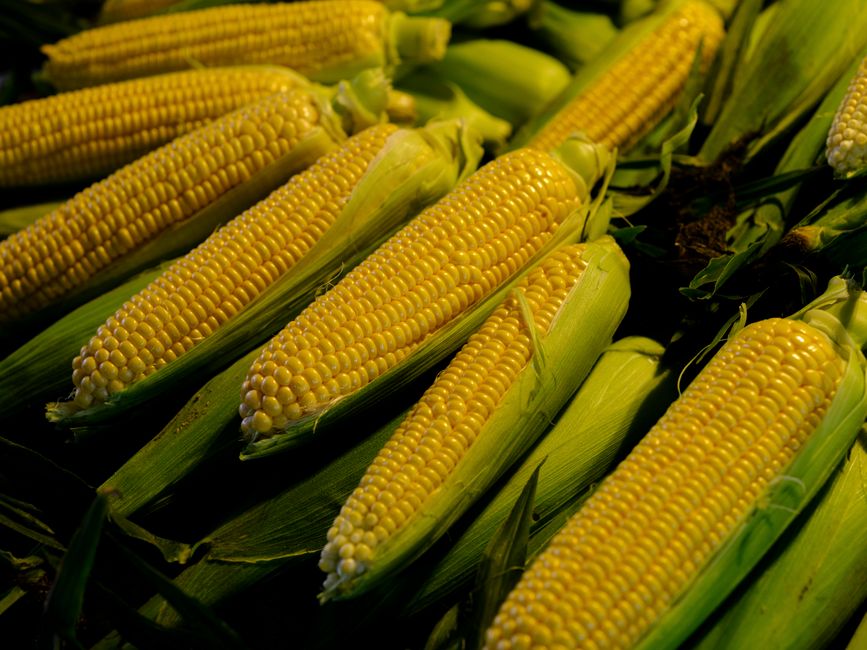
Corn is famous for passing through the digestive system mostly intact, which leads many people to believe it is hard to digest. The truth is that corn is not hard to digest in the sense of causing your digestive system to struggle, but the outer shell of the kernel is made of a fiber that the human body cannot break down. You digest the inside of the kernel, but the outer hull often travels through your system and comes out the other side looking the same as it went in.
Why Does Corn Come Out Whole in Your Stool?
The outer layer of a corn kernel is called the pericarp. This shell is made of cellulose, a type of insoluble fiber that the human body does not produce the enzymes to break down.
Your stomach and small intestine digest the starchy inside of the kernel. The outer shell, however, resists digestion. It moves through your large intestine and is eventually passed in your stool. Seeing whole kernels in the bathroom is normal and does not mean your digestion is broken.
The same thing happens with other foods that contain tough cellulose, such as corn kernels, popcorn, and some seeds. It is a structural feature of the food, not a sign of a medical problem.
Is Corn Hard to Digest for Most People?
For the average healthy person, corn is not hard to digest in a way that causes harm. It simply does not fully break down. The digestible parts are absorbed, and the fibrous shell is eliminated.
Some people do experience gas or bloating after eating corn. This happens because the undigested fiber reaches the colon, where bacteria ferment it. Fermentation produces gas. This is a normal process, not a sign of intolerance.
People with certain digestive conditions such as irritable bowel syndrome (IBS) or inflammatory bowel disease (IBD) may find corn causes more noticeable symptoms. That is because their digestive tracts are already sensitive to fiber and fermentation.
Does the Body Get Any Nutrition from Corn?
Yes, your body does absorb nutrition from corn even if the hull remains intact. The inner part of the kernel contains carbohydrates, protein, and some vitamins.
Corn provides B vitamins, magnesium, and phosphorus. It also contains antioxidants called carotenoids, including lutein and zeaxanthin, which are linked to eye health. The fiber in corn, even if not digested, supports regular bowel movements and feeds beneficial bacteria in your gut.
Chewing thoroughly helps break the kernel shells before they reach the stomach. The more you chew, the more surface area your digestive enzymes can work on. But even with perfect chewing, some hull pieces will survive the trip.





Does Cooking Change How Digestible Corn Is?
Cooking corn does not eliminate the cellulose hull. The outer shell remains resistant to digestion whether the corn is raw, boiled, grilled, or canned.
However, cooking does change the starch inside the kernel. Heat gelatinizes the starch, making it easier for your enzymes to access and break down. This means you get more calories and carbohydrates from cooked corn than from raw corn.
Grinding corn into meal or flour removes or breaks the hull. Cornmeal, polenta, and corn tortillas are much easier to digest because the milling process physically breaks down the fiber. This is why corn products like tortillas and cornbread do not come out whole.
Is Sweet Corn or Popcorn Harder to Digest?
Sweet corn is the type most people eat on the cob or from a can. It has a thinner hull than field corn, which is used for animal feed and processed foods. The thinner hull means sweet corn is somewhat easier to chew and break down than tougher varieties.
Popcorn is the same species of corn as sweet corn but a different variety. The hull of popcorn is tougher and more brittle. When you eat popcorn, the hulls can get stuck between your teeth, and they also pass through your system largely undigested.
Neither sweet corn nor popcorn is inherently dangerous to digest. The main issue is that undigested hulls can be irritating if you have a sensitive gut or if you eat large quantities quickly.
Can Corn Cause Digestive Problems or Blockages?
For healthy people, corn does not cause blockages. The hulls are small and flexible enough to pass through the digestive tract without issue.
There is a rare condition called bezoars, where undigested food material accumulates and forms a mass in the stomach. This is extremely uncommon and usually only occurs in people with impaired stomach emptying, such as those with gastroparesis or after certain stomach surgeries.
If you have a known digestive disorder, it is reasonable to eat corn in moderation and note how your body responds. There is no universal rule that everyone with IBS or IBD must avoid corn. Individual tolerance varies.
How to Make Corn Easier to Digest
If you enjoy corn but want to reduce the amount that comes out whole, there are some practical strategies that are supported by how digestion works.
- Chew thoroughly. Breaking the hull with your teeth is the only way to reduce its size before it reaches the stomach. The more you chew, the less intact hull remains.
- Choose corn products. Cornmeal, polenta, grits, and tortillas have the hull milled away. These are digested much more completely than whole kernels.
- Eat smaller portions. Large amounts of corn mean more undigested fiber in the colon, which can increase gas and bloating.
- Drink plenty of water. Fiber needs water to move smoothly through the digestive tract. Adequate hydration helps prevent constipation.
None of these strategies change the fact that the hull will not be digested. They simply reduce the amount of intact hull and the associated symptoms.
When Should You See a Doctor About Corn and Digestion?
Seeing whole corn kernels in your stool is not a reason to see a doctor. It is a normal finding and does not indicate malabsorption or disease.
You should seek medical advice if you experience persistent abdominal pain, severe bloating, unexplained weight loss, or blood in your stool. These symptoms are not caused by corn itself and warrant a proper evaluation.
If you notice that corn consistently triggers significant discomfort while other fiber-rich foods do not, it may be worth discussing with a healthcare provider. They can help determine whether you have an underlying condition such as IBS or a fiber intolerance.
Frequently Asked Questions
Is corn hard to digest for everyone?
No, corn is not hard to digest for most people. The outer hull passes through undigested, but the body absorbs the nutrients from the inside of the kernel.
Why do I see whole corn kernels in my stool?
The outer shell of corn is made of cellulose, a fiber your body cannot break down. Seeing whole kernels is normal and does not mean your digestion is impaired.
Does chewing corn more help with digestion?
Chewing thoroughly breaks the hull into smaller pieces, which can reduce gas and bloating. However, even well-chewed corn hulls will not be fully digested.
Is popcorn harder to digest than sweet corn?
Popcorn hulls are tougher than sweet corn hulls, so they may pass through more intact. Both are safe to eat, but people with sensitive stomachs may prefer hull-free popcorn varieties.
