
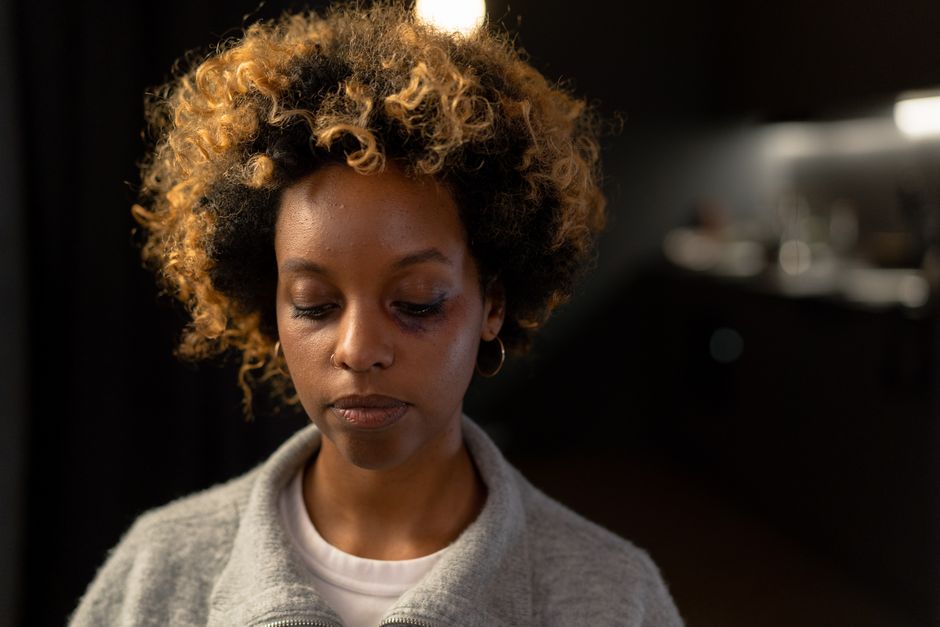
A bruised bone, also called a bone contusion, is one of the most painful injuries you can get from a simple fall or bump. Unlike a muscle bruise that fades in a week or two, a bone bruise takes significantly longer to heal. Most bone bruises take between 1 and 3 months to fully recover, though some severe cases can take up to 9 months or longer depending on the location and extent of the injury.
What Exactly Is a Bruised Bone?
A bone bruise is not a fracture, but it is also not a simple surface injury. The outer layer of your bone, called the periosteum, contains tiny blood vessels and nerves. When you take a direct hit, those vessels can tear and bleed beneath the bone’s surface. This creates localized bleeding and swelling inside the bone tissue itself.
Doctors often describe a bone bruise as a stage between a normal bruise and a fracture. The bone’s internal structure sustains microscopic damage, but the bone does not actually break. In medical imaging, a bone bruise appears as an area of increased fluid or blood within the marrow on an MRI scan.
There are three main types of bone bruises. A subperiosteal bruise happens just under the outer bone lining. An interosseous bruise occurs within the bone’s inner cavity. A subchondral bruise affects the area just beneath the cartilage in a joint. The subchondral type is often the most painful and the slowest to heal because it involves a weight-bearing surface.
How Long Does It Take Bruised Bone To Heal by Location
Healing time depends heavily on where the bruise is located. Bones in areas with rich blood supply heal faster than bones in areas with limited circulation.
Knee and ankle bruises typically take 6 to 8 weeks for basic recovery. These joints bear weight constantly, so every step re-aggravates the injury. Full return to sports or intense activity often requires 3 to 4 months.
Hip and pelvis bruises are among the slowest to heal. These bones are deep and carry significant load. Expect 8 to 12 weeks for daily comfort and up to 6 months before high-impact activities feel normal again.
Rib and sternum bruises heal in about 4 to 6 weeks for the bone itself, but pain can persist longer because every breath and cough moves these bones. The constant motion slows perceived recovery even when the tissue is healing on schedule.
Wrist and hand bruises typically heal faster, often within 4 to 6 weeks. These bones are smaller and have good blood flow. However, repeated gripping and typing can prolong symptoms.
What Affects Your Healing Timeline
Several factors determine whether you recover in 4 weeks or 4 months. The severity of the initial injury matters most. A mild contusion from a minor bump heals much faster than a deep bruise from a car accident or a hard fall onto concrete.
Your age plays a significant role. Younger adults typically heal faster because bone turnover and blood flow decline gradually with age. People over 50 often need 30 to 50 percent longer to recover from the same injury compared to someone in their twenties.
Smoking is one of the most controllable factors that slows bone healing. Nicotine constricts blood vessels, reducing the oxygen and nutrients that reach the injured bone. Smokers frequently experience delayed healing and higher rates of complications.
Underlying medical conditions also matter. Osteoporosis, diabetes, and vitamin D deficiency all impair bone repair. If you have any of these conditions, your doctor may recommend additional supplements or treatments to support healing.




Symptoms That Signal a Bone Bruise
Bone bruises produce distinct symptoms that differ from muscle bruises. The pain is deep and aching rather than sharp and superficial. It worsens when you put weight on the area or press directly over the bone.
Swelling is common but often less dramatic than with a fracture. You may notice stiffness in the nearby joint, especially after rest. The area may feel warm to the touch because of increased blood flow to the healing tissue.
One key difference from a fracture: you can usually still move the limb, though it hurts. With a fracture, movement is often impossible or produces a grinding sensation. If you cannot bear any weight or move the joint at all, seek medical evaluation to rule out a break.
Bruising of the skin over the bone may appear within 24 to 48 hours. However, some deep bone bruises show no visible discoloration at all. The absence of a visible bruise does not mean the bone is uninjured.
How Doctors Diagnose a Bone Bruise
X-rays cannot show bone bruises. The bone structure appears intact on standard X-ray imaging. This is why many bone bruises go undiagnosed initially or are dismissed as simple soft tissue injuries.
An MRI is the definitive imaging study for bone bruises. It reveals the internal bleeding and fluid accumulation within the bone. Doctors may order an MRI if pain persists beyond two weeks despite normal X-rays, or if the injury involves a joint with ongoing instability.
In some cases, a doctor may diagnose a bone bruise based on physical examination alone. Deep tenderness over the bone, swelling, and pain with weight bearing in the absence of fracture findings on X-ray strongly suggest a contusion.
Treatment That Actually Supports Healing
The RICE protocol — rest, ice, compression, and elevation — remains the foundation of bone bruise treatment. Rest is the most critical component. The bone needs time to reabsorb the internal bleeding and lay down new tissue. Returning to activity too soon prolongs recovery and can convert a bruise into a stress fracture.
Ice application for 15 to 20 minutes several times daily during the first 48 to 72 hours helps reduce swelling. After the initial period, ice provides less benefit but can still relieve pain. Compression wraps and elevation help control swelling, especially for injuries in the arms and legs.
Over-the-counter pain relievers such as acetaminophen are generally preferred over NSAIDs like ibuprofen for bone injuries. Some research suggests NSAIDs may interfere with the inflammatory phase of bone healing, though the evidence is mixed. Discuss pain management with your doctor, especially if you need medication for more than a few days.
Physical therapy often becomes necessary after the initial healing phase. A therapist can help restore range of motion, rebuild strength, and guide you through a gradual return to activity. This is particularly important for joint bruises where stiffness can become a long-term problem.
When Can You Return to Normal Activity?
Returning to activity too early is the most common reason bone bruises take longer than expected to heal. Pain is your guide. If an activity causes pain during or after, you are not ready for it.
For daily activities like walking and climbing stairs, most people can resume within a few weeks, using support devices as needed. Crutches or a cane may be necessary initially for leg injuries to reduce weight bearing on the affected bone.
For sports and high-impact exercise, the timeline extends considerably. Most athletes need 8 to 12 weeks before returning to full training. Contact sports may require even longer. Your doctor or physical therapist can provide specific clearance based on your individual progress.
A sudden increase in pain, new swelling, or a popping sensation in the area may indicate the bruise has progressed to a fracture. Seek medical attention if these symptoms develop.
Complications and When to See a Doctor
Most bone bruises heal without long-term problems. However, complications can occur, particularly with severe bruises or those involving joints.
One serious complication is osteochondral injury, where the bone bruise damages the overlying cartilage. This can lead to long-term joint pain and increased risk of arthritis. Subchondral bruises in the knee or ankle carry the highest risk for this complication.
Compartment syndrome is a rare but emergency condition that can follow severe bone bruises. It occurs when pressure builds up inside a muscle compartment, cutting off blood flow. Symptoms include severe pain out of proportion to the injury, numbness, and pale skin. This requires immediate emergency treatment.
See a doctor if pain worsens after the first week, if you cannot bear weight after 72 hours, or if you have any numbness or tingling. Persistent pain beyond 3 months also warrants evaluation to rule out other injuries.
Frequently Asked Questions
Can you walk on a bruised bone?
You can usually walk with a bruised bone in your leg or foot, but it will hurt and may slow healing. Use crutches or a cane if walking causes significant pain, and avoid long periods of weight bearing.
Is a bone bruise worse than a fracture?
No, a fracture is generally more serious because the bone structure is broken. However, a severe bone bruise can be more painful than a minor fracture and may take just as long to heal.
Do bone bruises show up on X-rays?
No, standard X-rays do not show bone bruises. An MRI is required to visualize the internal bleeding and swelling within the bone.
What happens if a bone bruise is left untreated?
Untreated bone bruises usually still heal, but the process takes longer and carries a higher risk of complications. Continuing high-impact activity on a bruised bone can progress the injury into a stress fracture.
