
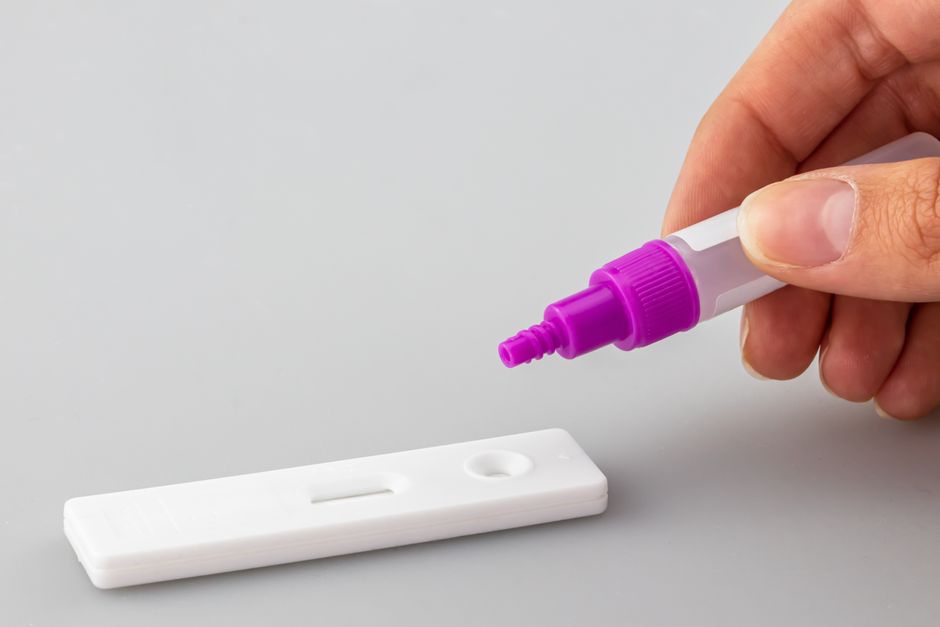
A urine test can detect alcohol for about 12 to 48 hours after your last drink. The exact window depends on how much you drank, your metabolism, and the type of test used. For heavy or binge drinking, some tests can detect alcohol byproducts for up to 80 hours or longer.
How Long Can A Pee Test Detect Alcohol? Timeline Explained
The timeline for alcohol detection in urine is not a single number. It falls into a range based on the specific test method. Most standard urine tests look for ethanol itself, which leaves the body quickly. More sensitive tests look for ethyl glucuronide (EtG) and ethyl sulfate (EtS), which are byproducts that linger much longer.
Here is the general timeline for each type of test:
- Standard urine alcohol test (ethanol): Detects alcohol for about 12 to 24 hours.
- EtG urine test: Detects alcohol for about 24 to 48 hours.
- EtG after heavy drinking: Can detect alcohol for up to 80 hours.
- EtG after chronic heavy use: Some reports show detection up to 5 days.
These are general windows. Individual results vary widely.
What Is the Difference Between Ethanol and EtG Tests?
Standard urine tests measure ethanol, the actual alcohol molecule. Ethanol is water-soluble and metabolized quickly. Most of it is broken down in the liver, and only about 5 to 10 percent leaves the body unchanged through urine, breath, and sweat.
Because ethanol clears fast, a standard test has a short detection window. If you had one drink at dinner, a standard urine test the next morning might already be negative.
EtG tests are different. EtG is a direct metabolite of alcohol. When the liver breaks down ethanol, it creates EtG as a byproduct. This molecule stays in the body longer than ethanol itself. EtG tests are often used in monitoring programs, like court-ordered sobriety testing or workplace programs where abstinence must be verified.
The trade-off is sensitivity. EtG tests catch more past drinking, but they also have a higher chance of false positives from everyday products.
How Much Alcohol Does It Take To Show Up?
Even a small amount of alcohol can show up on a urine test. The amount needed depends on the cutoff level of the test.
Most standard urine alcohol screens use a cutoff of 0.02 percent or 20 mg/dL. This is low. A single standard drink can produce a positive result for several hours after drinking.
EtG tests are far more sensitive. Some use a cutoff of 100 ng/mL, while others use 500 ng/mL. At the lowest cutoff, even trace exposure can trigger a positive result. This includes using hand sanitizer, mouthwash containing alcohol, or certain medications.
This sensitivity is why EtG tests are controversial. A positive EtG result does not necessarily mean a person was drinking. It only means the body was exposed to alcohol in some form.





What Factors Change the Detection Window?
No two people process alcohol the same way. Several factors shift the detection window up or down.
Amount consumed. The more you drink, the longer alcohol stays in your system. A single beer clears faster than a bottle of wine. Binge drinking produces a much longer detection window.
Body composition. Alcohol is water-soluble. People with more body water tend to dilute alcohol more quickly. Body fat holds less water, so alcohol stays more concentrated and takes longer to clear.
Age and metabolism. Liver function and metabolic rate decline with age. Older adults often clear alcohol more slowly than younger adults.
Hydration. Drinking water increases urine output, which can dilute ethanol concentration. However, heavy water intake does not speed up the liver’s breakdown of alcohol. It only changes the concentration in urine.
Liver health. The liver does most of the work breaking down alcohol. Liver disease or damage slows this process significantly.
Medications. Some drugs affect liver enzymes and alter how quickly alcohol is processed.
Can You Flush Alcohol Out of Your Urine Faster?
No reliable method speeds up alcohol metabolism. The liver breaks down alcohol at a fairly constant rate. For most people, that rate is about one standard drink per hour.
Drinking water, coffee, or energy drinks does not accelerate this process. Water can dilute urine, which may lower the concentration of ethanol in a sample. Some people try this to beat a test. It does not work reliably, and many testing facilities check for dilution.
EtG is more difficult to dilute because it is measured against creatinine levels. Creatinine is a waste product that the body produces at a steady rate. If urine is too diluted, creatinine levels drop, and the lab flags the sample as suspicious.
Exercise and sweating do not meaningfully remove alcohol from the body. Only about 5 percent of alcohol leaves through sweat and breath. The rest is metabolized in the liver.
What About False Positives and False Negatives?
Both types of urine alcohol tests can produce incorrect results.
Standard ethanol tests rarely produce false positives. Ethanol is ethanol. If it is in the urine, you drank it. The bigger risk is a false negative. If too much time has passed, or if the person drank very little, the test can miss the alcohol entirely.
EtG tests have the opposite problem. They are so sensitive that they pick up alcohol from non-beverage sources. Common culprits include:
- Mouthwash containing alcohol
- Hand sanitizer
- Cooking wine or extracts like vanilla extract
- Certain cough syrups and cold medicines
- Non-alcoholic beer and wine, which contain trace amounts
- Some cleaning products
Some research suggests that even heavy use of alcohol-based hand sanitizer can produce a positive EtG result. This is a real concern in clinical settings where EtG tests are used to monitor abstinence.
False positives are less common with higher cutoff levels. A test using a 500 ng/mL cutoff is less likely to flag incidental exposure than one using 100 ng/mL.
How Do Urine Tests Compare to Other Alcohol Tests?
Urine tests are not the only way to detect alcohol. Each method has its own strengths and weaknesses.
Breath tests measure alcohol in the breath, which correlates with blood alcohol concentration. They only detect recent drinking, typically within the last 12 to 24 hours.
Blood tests measure ethanol directly in the bloodstream. They are the most accurate for determining current impairment. Alcohol is detectable in blood for about 6 to 12 hours after the last drink.
Hair tests look for alcohol metabolites in hair follicles. They can detect alcohol use for up to 90 days. Hair tests are not commonly used for routine screening because they are expensive and slow to process.
Urine tests sit in the middle. They offer a longer window than breath or blood tests but a shorter window than hair tests.
| Test Type | Detection Window | What It Measures |
|---|---|---|
| Breath | Up to 24 hours | Current alcohol in breath |
| Blood | 6 to 12 hours | Ethanol in blood |
| Urine (ethanol) | 12 to 24 hours | Ethanol in urine |
| Urine (EtG) | 24 to 80 hours | Alcohol metabolite |
| Hair | Up to 90 days | Alcohol metabolites in hair |
When Would You Need a Urine Alcohol Test?
Urine alcohol tests are used in several situations. Understanding the context helps explain why different tests are chosen.
Workplace testing. Many employers use urine tests as part of pre-employment screening or random drug testing. Most use standard ethanol tests, which catch recent drinking.
Legal monitoring. Courts may require EtG testing for people on probation or in custody disputes. These tests confirm abstinence over a longer period.
Substance abuse treatment. Treatment programs often use EtG tests to verify that clients remain sober between sessions.
Medical settings. Doctors may order urine alcohol tests when alcohol use affects a patient’s health or medication safety.
How Long Until Alcohol Shows Up in Urine?
Alcohol appears in urine quickly. It can be detected within 1 to 2 hours after drinking begins. This is because alcohol is absorbed into the bloodstream through the stomach and small intestine, then filtered by the kidneys into urine.
Peak urine alcohol concentration usually occurs about 1 to 2 hours after your last drink. After that, levels decline as the liver processes the alcohol.
For a person being tested shortly after drinking, a urine test will almost certainly be positive. The question is how long it stays positive, which brings us back to the 12 to 48 hour window.
Frequently Asked Questions
Can a urine test detect alcohol after 48 hours?
Standard ethanol tests rarely detect alcohol after 24 hours, but EtG tests can detect alcohol for up to 48 hours after moderate drinking. After heavy or binge drinking, EtG tests may remain positive for 80 hours or longer.
Does drinking water help you pass a urine alcohol test?
Drinking water can dilute urine and lower ethanol concentration, but labs check for dilution using creatinine levels. Water does not speed up alcohol metabolism, so the liver still clears alcohol at the same rate.
Can mouthwash cause a positive EtG test?
Yes, alcohol-based mouthwash can produce a positive EtG result, especially with low cutoff levels. This is a known limitation of EtG testing and one reason why positive results are not always proof of drinking.
What is the cutoff level for a urine alcohol test?
Standard urine alcohol tests typically use a cutoff of 0.02 percent or 20 mg/dL. EtG tests commonly use cutoffs of 100 ng/mL or 500 ng/mL, with higher cutoffs reducing false positives.
