
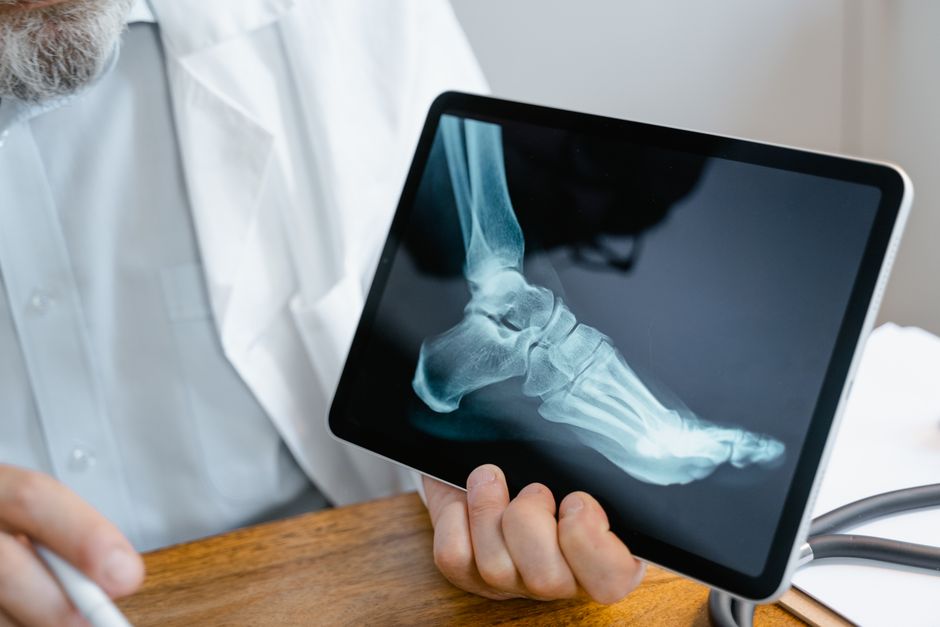
A heel bone spur is a bony growth that forms on the underside of the heel bone. It is often linked to long-term strain on the foot, not a sudden injury. The spur itself is rarely the direct cause of pain; the surrounding soft tissue and inflammation usually are. Treatment focuses on reducing that pain and strain, not on making the bone growth disappear. Most people manage their symptoms successfully without surgery.
What Is a Heel Bone Spur Exactly?
A heel bone spur is a calcium deposit that creates a bony protrusion. It develops where the plantar fascia connects to the heel bone. The plantar fascia is a thick band of tissue running along the bottom of your foot. When this tissue is pulled repeatedly, the body may respond by laying down extra bone. This process happens over months or years, not overnight.
Many people have heel spurs without any symptoms. In fact, some research suggests that up to one in ten people have heel spurs but no heel pain. The pain people feel is often from plantar fasciitis, which is inflammation of that tissue band. The spur is a sign of the strain, not necessarily the cause of the pain. This distinction matters because it changes how you treat the problem.
What Causes a Heel Bone Spur to Form?
The main driver is mechanical stress. Repeated strain on the plantar fascia pulls at its attachment point on the heel. Over time, this stress triggers bone formation. Several factors increase your risk.
- High-impact activities: Running, jumping, or prolonged standing on hard surfaces.
- Foot mechanics: Flat feet or very high arches change how weight distributes across the foot.
- Body weight: Extra weight adds direct pressure to the heel with every step.
- Footwear: Shoes with poor arch support or thin soles offer little cushioning.
- Age: The fat pad on the heel thins with age, reducing natural shock absorption.
These factors do not guarantee a spur will form. They simply increase the likelihood. The process is gradual, so many people cannot identify a single event that started it.
What Does Heel Spur Pain Feel Like?
The classic symptom is sharp pain in the heel with the first steps in the morning. This pain often eases after a few minutes of walking. It may return after long periods of sitting or standing. The pain is usually located at the bottom of the heel, sometimes slightly toward the inside of the foot.
You may also feel tenderness when pressing on the heel area. Some people describe a dull ache after prolonged activity. Swelling and redness are less common. If you have significant swelling, warmth, or numbness, see a doctor. Those symptoms point to other conditions that need different treatment.


How To Cure a Heel Bone Spur: The Treatment Guide
There is no pill or quick fix that dissolves a bone spur. The goal is to eliminate the pain and restore normal foot function. This usually means reducing strain on the plantar fascia and allowing inflammation to settle. Most people improve with conservative care within several months.
Rest and activity modification. Reduce or stop activities that cause sharp heel pain. This does not mean bed rest. It means cutting back on high-impact exercise and replacing it with lower-impact options like swimming or cycling. If prolonged standing is part of your job, take regular sitting breaks.
Ice therapy. Apply an ice pack to the heel for 15 to 20 minutes several times a day. This helps reduce local inflammation. Do not apply ice directly to the skin. Wrap it in a thin cloth to prevent frostbite.
Stretching. Stretching the calf muscles and the plantar fascia is one of the most effective home treatments. Tight calves increase tension on the plantar fascia. A simple calf stretch against a wall, held for 30 seconds, repeated three times per side, helps. Stretching the plantar fascia by pulling your toes toward your shin also targets the area directly.
Supportive footwear. Shoes with good arch support and a cushioned heel reduce strain. Avoid walking barefoot on hard floors, especially in the morning. Some people benefit from heel cups or orthotic inserts. These devices cushion the heel and redistribute pressure. They do not cure the spur, but they can significantly reduce pain.
Pain relievers. Over-the-counter nonsteroidal anti-inflammatory drugs (NSAIDs) like ibuprofen can reduce pain and inflammation. Use them as directed on the label. They are a short-term tool, not a long-term solution. Talk to your doctor before using them regularly, especially if you have stomach issues or take blood thinners.
When Do You Need a Doctor or Physical Therapist?
See a doctor if heel pain lasts more than a few weeks despite home care. A doctor can confirm the diagnosis and rule out other causes like a stress fracture or nerve irritation. An X-ray can show a spur, but the presence of a spur does not confirm it is the pain source.
Physical therapy is a common and effective next step. A therapist can design a stretching and strengthening program specific to your foot mechanics. They may also use techniques like manual therapy or taping. Some clinicians recommend extracorporeal shockwave therapy. This treatment delivers sound waves to the heel area to stimulate healing. The evidence is mixed, but some studies show benefit for chronic cases. It is not a first-line treatment.
Corticosteroid injections are another option. A doctor injects medication directly into the painful area to reduce inflammation. These injections can provide temporary relief, but they do not address the underlying strain. Repeated injections carry risks, including weakening of the plantar fascia. They are used sparingly.
Does Surgery Cure a Heel Bone Spur?
Surgery is a last resort. It is considered only when conservative treatment has failed for at least six to twelve months and pain remains disabling. The procedure typically involves releasing part of the plantar fascia and removing the spur. This is not a minor procedure. Recovery takes weeks to months.
Surgery is not guaranteed to eliminate pain. Some people continue to have symptoms after the procedure. Others develop new problems, such as arch instability, because the plantar fascia provides structural support. For these reasons, surgeons are generally cautious about recommending surgery for heel spurs. The vast majority of people never need it.
How Long Does It Take to Get Better?
Most people notice improvement within six to eight weeks of consistent treatment. Full resolution can take several months. This timeline frustrates many people because the pain can be stubborn. The key is consistency. Stretching daily, wearing supportive shoes every day, and pacing activity levels all matter.
If you have had pain for more than a year, your response to treatment may be slower. Chronic inflammation changes the tissue over time. This does not mean you cannot improve. It means the process may take longer and may require professional guidance.
Can You Prevent a Heel Bone Spur?
Prevention targets the same risk factors as treatment. Maintain a healthy weight to reduce pressure on your feet. Wear supportive shoes, especially if you stand or walk a lot. Replace worn-out athletic shoes regularly. Stretch your calves and feet regularly, especially if you run or play sports. Gradually increase the intensity of any new exercise program so tissues adapt slowly.
If you have flat feet or high arches, consider custom orthotics. These devices support your foot in a neutral position, which reduces strain on the plantar fascia. They do not prevent all cases, but they lower the risk. There is no guarantee you will never develop a spur. The goal is to reduce the mechanical stress that drives formation.
What About the Viral Claims and Quick Fixes?
Online sources sometimes claim that special shoes, laser therapy, or dietary supplements can dissolve heel spurs. No clinical evidence confirms these claims. A bone spur is a structural change in bone, not a mineral deposit that can be flushed out or broken down by a device. Be cautious with any product promising a fast cure. If a treatment sounds too simple to be true, it usually is.
Some alternative therapies, like acupuncture or massage, may provide temporary pain relief for some people. They do not remove the spur. If you choose to try them, view them as comfort measures, not cures. Always inform your doctor about any treatments you are using.
Frequently Asked Questions
Can a heel bone spur go away on its own?
The bone spur itself does not go away without surgery. The pain often resolves with conservative treatment even though the spur remains.
Is walking bad for a heel bone spur?
Walking is not inherently bad, but high-impact activity on hard surfaces can worsen pain. Supportive shoes and moderate pacing help reduce strain.
What is the fastest way to relieve heel spur pain?
Ice the heel, stretch your calf, and switch to supportive footwear immediately. These steps reduce inflammation and strain faster than rest alone.
Do heel spur injections work?
Corticosteroid injections can provide temporary pain relief for some people. They do not fix the underlying cause, and repeated use carries risks.
