
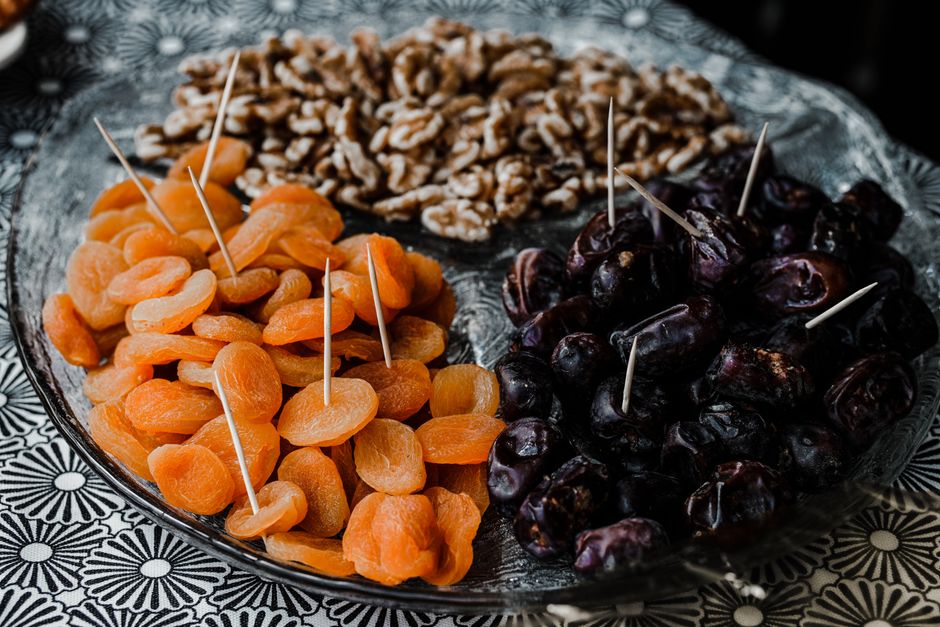
Dehydrated food lasts anywhere from a few months to 30 years, depending on the food type, how it was prepared, and how it is stored. A home-dehydrated apple slice may keep for a year, while a commercially prepared freeze-dried meal sealed in a #10 can can last decades. The real answer is not a single number—it is a set of ranges based on moisture, fat content, and storage conditions.
How Long Does Dehydrated Food Last?
Most home-dehydrated foods last 6 months to 1 year when stored properly. Some items, like jerky and dried fruit, may last 1 to 2 years under ideal conditions. Commercially dehydrated foods, especially freeze-dried products packaged with oxygen absorbers, often last 10 to 25 years or longer.
The difference comes down to moisture. Dehydration removes 80 to 95 percent of water content, which stops bacteria and mold from growing. But it does not destroy enzymes or fat oxidation. Those two factors continue to degrade food quality over time even when the food remains technically safe to eat.
What Affects How Long Dehydrated Food Lasts?
Three things determine shelf life: moisture level, storage temperature, and packaging. Fat content matters too.
Moisture. Home dehydrators typically produce food with 5 to 20 percent residual moisture. The lower the moisture, the longer the shelf life. Commercial freeze-drying removes about 98 to 99 percent of water, which is why those products last so much longer.
Temperature. Heat speeds up chemical reactions. Every 18 degrees Fahrenheit increase in storage temperature roughly halves the shelf life of stored food. A dehydrated food that lasts 10 years at 60°F may only last 5 years at 78°F.
Light and oxygen. Both degrade vitamins and cause fats to turn rancid. Oxygen also allows aerobic bacteria to survive. Proper packaging removes oxygen and blocks light.
Fat content. Fatty foods go rancid faster than low-fat foods. Nuts, seeds, and fatty meats have shorter shelf lives no matter how well they are dehydrated. Rancidity is not a food safety issue in most cases, but it ruins taste.
Typical Shelf Life by Food Category
Different foods have very different lifespans. Here are realistic expectations for home-dehydrated food stored in airtight containers in a cool, dark place.
| Food | Home-Dehydrated | Freeze-Dried Commercial |
|---|---|---|
| Fruits (apples, bananas, berries) | 6 to 12 months | 10 to 25 years |
| Vegetables (carrots, peas, corn) | 6 to 12 months | 10 to 30 years |
| Lean meats (beef jerky) | 1 to 2 months opened; 1 year sealed | 10 to 15 years |
| Nuts and seeds | 3 to 6 months | 1 to 5 years |
| Herbs and spices | 1 to 2 years | 2 to 4 years |
| Grains and legumes (dry) | 8 to 10 years if stored whole | 25 to 30 years |
| Dairy (powdered milk, cheese) | 3 to 6 months | 10 to 20 years |
These numbers assume proper storage. Food stored in a hot garage or a humid basement will spoil much sooner.




How to Tell If Dehydrated Food Has Gone Bad
Visual inspection is your first line of defense. Look for mold, which appears as fuzzy spots in colors like green, black, white, or pink. Any sign of mold means the food should be thrown out immediately. Do not cut off the moldy part—dehydrated food is not like hard cheese. The mold spores have likely spread throughout.
Smell is the next test. Rancid food smells sharp, bitter, or like old paint. Fermented food smells sour or alcoholic. Both indicate spoilage even if no mold is visible.
Texture changes are a warning sign. Dehydrated food should be dry and crisp or leathery, depending on the type. If it feels sticky, moist, or soft in a way that seems wrong, moisture has gotten in. That moisture allows bacteria to grow.
Taste is the last test—and only if the food looks and smells fine. A small bite will tell you if oils have gone rancid. Rancid food tastes bitter or soapy. If it tastes off, spit it out and discard the batch.
Does Dehydrated Food Actually Expire?
Dehydrated food does not truly expire in the sense that it becomes poisonous at a specific date. The “best by” dates on commercial products indicate peak quality, not safety. Food that is properly dehydrated and sealed can remain safe to eat for years beyond its labeled date.
Safety and quality are different things. A 5-year-old freeze-dried strawberry may be perfectly safe but taste like cardboard. The vitamins degrade over time. Vitamin C, for example, breaks down quickly during dehydration and storage. After a year, most dehydrated foods have lost a significant portion of their vitamin C content.
Food safety issues arise when moisture gets in. If the seal fails or the packaging is damaged, bacteria and mold can grow. Botulism is a theoretical risk in improperly dehydrated low-acid foods like vegetables and meats, but it requires anaerobic conditions and moisture. Proper dehydration to below 10 percent moisture makes botulism highly unlikely in home-dried food.
Best Storage Methods to Extend Shelf Life
Storage method matters more than almost anything else. The same batch of dehydrated apples stored two different ways can have shelf lives that differ by years.
Use oxygen absorbers. These small iron packets remove oxygen from sealed containers. They are inexpensive and extend shelf life dramatically. Without oxygen, aerobic bacteria cannot grow and fats oxidize much more slowly.
Choose the right container. Mason jars with vacuum seals work well for short-term storage. Mylar bags with oxygen absorbers are the gold standard for long-term storage. Food-grade plastic buckets work for bulk grains and legumes but are not fully oxygen-proof.
Keep it cool. A cool, dark pantry is acceptable for 6 to 12 months. A basement or root cellar is better. For true long-term storage, some people rotate food into a refrigerator or freezer. Every degree of coolness helps.
Rotate your stock. The oldest food should be used first. Label everything with the date and contents. Write the date directly on the container with a permanent marker—do not trust your memory.
Dehydration vs. Freeze-Drying: What Is the Difference?
These two methods produce very different products with very different shelf lives. Understanding the difference helps you set realistic expectations.
Dehydration uses heat to evaporate water. A home dehydrator circulates warm air at 95°F to 165°F over food for 4 to 12 hours. The result retains 5 to 20 percent moisture. The heat also destroys some vitamins and changes texture. Dehydrated food is chewy or leathery.
Freeze-drying freezes the food first, then places it in a vacuum chamber. The frozen water sublimates—turns directly from ice to vapor—without ever becoming liquid. This removes 98 to 99 percent of moisture while preserving more nutrients and original shape. Freeze-dried food is light, crispy, and rehydrates quickly.
Commercially freeze-dried food lasts 10 to 30 years when sealed properly. Home freeze-dryers exist but cost $2,000 to $4,000. Home freeze-dried food lasts 5 to 10 years when stored with oxygen absorbers—shorter than commercial because home units cannot match the vacuum quality of industrial machines.
Common Mistakes That Shorten Shelf Life
Several errors repeatedly shorten the life of dehydrated food. Avoid these if you want your storage to last.
Not conditioning the food. Home-dehydrated food should “condition” for 1 to 2 weeks in a glass jar. Shake it daily. If condensation appears on the jar, the food still has too much moisture and needs more dehydrator time. Skipping this step means sealing in excess moisture that causes mold later.
Storing fatty foods long-term. Nuts, seeds, and fatty meats go rancid regardless of packaging. If you want long-term storage of these items, freeze them instead of relying on dehydration.
Opening the container frequently. Every opening lets in humid air. For long-term storage, use smaller containers that you can finish in one or two uses rather than a large container you dip into repeatedly.
Trusting the “forever” marketing. Some commercial survival food companies claim 30-year shelf lives. Those claims apply to ideal conditions: sealed mylar pouches with oxygen absorbers stored below 70°F. In real-world conditions, 10 to 15 years is a more realistic expectation for most freeze-dried foods.
How to Store Dehydrated Food for Emergency Preparedness
If you are building a long-term food supply, focus on foods that genuinely last. Rotate your supply and track dates.
Start with staples that have naturally long shelf lives. White rice, dried beans, oats, and pasta last 8 to 10 years when stored properly in oxygen-free containers. Add freeze-dried vegetables and fruits for nutrition. Include powdered milk and eggs for protein and cooking needs.
Store what you eat. A 25-year shelf life means nothing if you will not eat the food. Build your emergency supply around meals you actually enjoy. Rotate through it regularly, replacing what you use.
Check your supply every 6 months. Look for damaged packaging, signs of pests, or unusual odors. A small problem caught early is easy to fix. The same problem discovered in an emergency is a crisis.
Frequently Asked Questions
How long does homemade dehydrated food last?
Home-dehydrated food typically lasts 6 months to 1 year when stored in airtight containers in a cool, dark place. Low-fat foods like fruits and vegetables last longer than fatty foods like nuts and meats.
Can dehydrated food go bad?
Yes. Mold, rancidity, and bacterial growth can occur if moisture gets in or if fatty foods are stored too long. Visible mold, off smells, or bitter tastes mean the food should be discarded.
Does dehydrated food need oxygen absorbers?
Oxygen absorbers extend shelf life significantly by preventing oxidation and stopping aerobic bacteria from growing. They are essential for long-term storage beyond 1 year.
What is the best way to store dehydrated food?
Store dehydrated food in airtight containers like mason jars or mylar bags with oxygen absorbers, in a cool, dark place below 70°F. Label everything with the date and rotate your stock regularly.
