
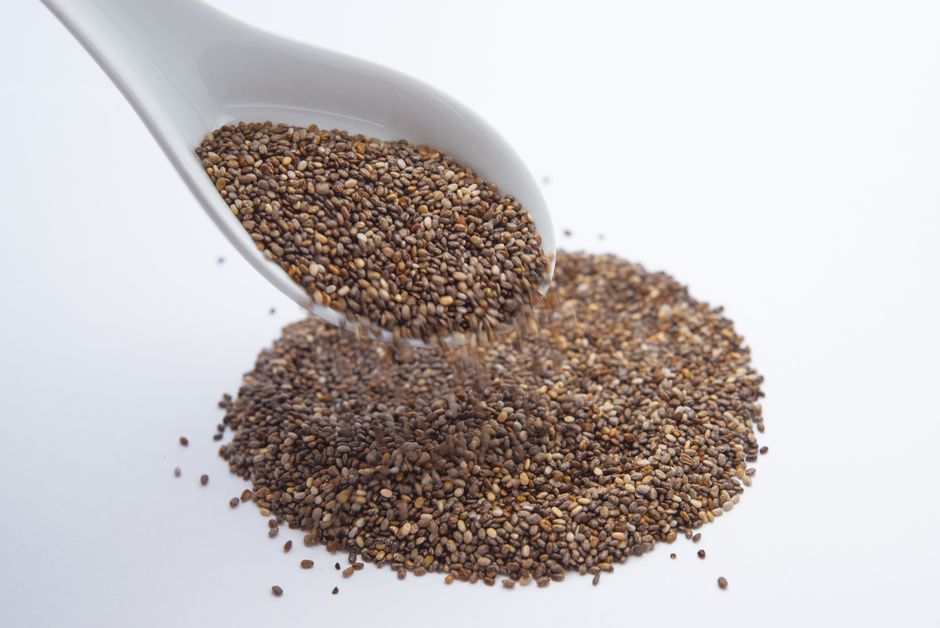
Chia seeds are famous for their fiber and omega-3 content, but eating them can also lead to stomach discomfort. If you are bloated after a chia seed meal, the feeling typically lasts anywhere from a few hours to a couple of days. This timeline depends on how much you ate, how your digestive system reacts to fiber, and whether you prepared the seeds correctly.
Why Chia Seeds Cause Bloating in the First Place
Bloating happens because chia seeds are packed with soluble fiber. When this fiber mixes with water in your digestive tract, it forms a gel. That gel slows down digestion. It also feeds the bacteria in your large intestine.
When those bacteria break down the fiber, they produce gas. That gas stretches your intestinal walls. The result is that full, tight, uncomfortable sensation you are feeling.
Chia seeds contain about 10 grams of fiber per two-tablespoon serving. That is roughly one-third of the daily fiber recommendation for most adults. If your body is not used to processing that much fiber at once, bloating is a normal response.
How Long Does Bloating from Chia Seeds Last?
For most people, bloating from chia seeds lasts between 3 and 24 hours. The gas produced by fiber fermentation moves through your system and passes within a day. If you ate a very large amount, the discomfort could stretch into a second day.
The duration depends more on your gut than on the seed itself. People with sensitive digestion or conditions like irritable bowel syndrome may feel bloated longer. Their intestines react more strongly to gas and fiber.
If the bloating lasts more than 48 hours and is accompanied by severe pain, vomiting, or an inability to pass gas, that is not normal chia seed bloating. Stop eating them and contact a healthcare provider.
How You Prepare Chia Seeds Changes the Outcome
Dry chia seeds soak up water as they travel through your digestive system. If you eat them dry, they pull fluid from your intestines. This can slow things down and make bloating worse.
The standard advice is to soak chia seeds before eating them. Mix them with liquid and wait at least 15 to 30 minutes. They form a gel before they reach your stomach. That pre-hydration makes them easier to digest.
Another option is to grind the seeds. Ground chia seeds break down faster in the digestive tract. Some people tolerate ground chia better than whole seeds.
Adding chia to a smoothie or yogurt gives the seeds time to hydrate. Eating them dry on top of a salad or mixed into dry cereal increases the chance of bloating.



What the Evidence Says About Fiber and Gas
Research consistently shows that a sudden increase in dietary fiber causes gas and bloating. This is true for chia seeds and for other high-fiber foods like beans, broccoli, and whole grains.
The human digestive system does not produce enzymes that break down soluble fiber. The fiber passes mostly intact into the colon. There, gut bacteria ferment it. Gas is a direct byproduct of that fermentation process.
This does not mean fiber is bad. Fiber feeds beneficial gut bacteria and supports regular bowel movements. The bloating is a temporary adjustment period, not a sign of harm.
Some research suggests that people adapt to higher fiber intake over one to two weeks. As your gut bacteria population shifts, gas production often decreases. The same serving of chia seeds that bloats you today may not bother you next month.
How Much Chia Is Too Much?
There is no official daily limit for chia seeds. But the recommended serving size on most packaging is two tablespoons, which is about 28 grams. That serving provides roughly 10 grams of fiber.
The USDA recommends adults get 25 to 38 grams of fiber per day depending on age and sex. If you already eat a high-fiber diet, adding two tablespoons of chia seeds may push you past your usual intake quickly.
Start with one tablespoon per day if you are new to chia. See how your body reacts before increasing to two tablespoons. This is especially important for people who currently eat a low-fiber diet.
Eating several tablespoons of dry chia seeds at once is not advisable. There are case reports of chia seeds forming a gel mass in the esophagus when eaten dry and followed by insufficient water. This is rare, but it is a real risk.
What to Do If Chia Seeds Make You Bloated
If you are already bloated, gentle movement can help. A short walk stimulates intestinal activity. This helps gas move through your system faster.
Drinking water supports the fiber as it moves through your colon. Dehydration can make fiber slow things down further. Sip water rather than chugging large amounts at once.
Peppermint tea is a common home remedy for gas and bloating. Some clinical evidence supports peppermint oil for digestive discomfort, though the evidence for tea itself is less strong. It is unlikely to hurt and may offer mild relief.
Over-the-counter simethicone products can help break up gas bubbles in the gut. These products are generally well tolerated, but follow the dosing instructions on the package.
Frequently Asked Questions
Can chia seeds cause stomach pain?
Yes, especially if you eat them dry or in large amounts. The fiber ferments in your colon and produces gas, which can cause cramping and pain.
How much water should I drink with chia seeds?
Drink at least one full glass of water with a two-tablespoon serving of chia seeds. If you eat them dry, you need significantly more fluid to help them move through your digestive tract.
Are soaked chia seeds easier on the stomach than dry chia seeds?
Yes. Soaking hydrates the seeds before they reach your digestive system, which reduces the amount of water they pull from your intestines and makes them easier to tolerate.
Can chia seeds cause a blockage?
Rarely. There are case reports of chia seeds forming a gel mass in the esophagus when eaten dry and swallowed without enough water. Soaking the seeds first eliminates this risk.
