
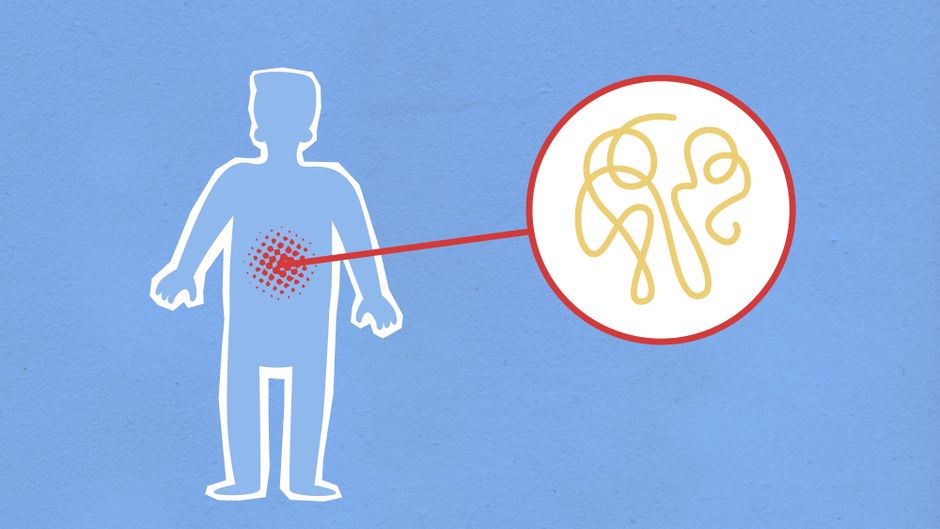
A stomach virus usually makes you sick for one to three days, and you are most contagious from the moment symptoms start until a day or two after they stop. Some people can still pass the virus to others for up to two weeks after they feel better, especially young children. The illness itself is short, but the germ can linger on hands and surfaces longer than most people expect.
That gap between feeling fine and being fully in the clear is the part people miss. It is also why stomach bugs spread so easily through households, daycare centers, and offices.
What Is A Stomach Virus, Exactly?
What most people call a stomach virus is not one single germ. It is a group of viruses that inflame the lining of the stomach and intestines, a condition doctors call viral gastroenteritis. The two most common causes in adults are norovirus and, less often, rotavirus. In children, rotavirus used to be a leading cause before a vaccine became routine in the United States.
Norovirus is the one behind most outbreaks on cruise ships, in schools, and in nursing homes. It is unusually hardy. It survives freezing, heat, and many common cleaners, and it takes only a very small number of viral particles to make a person sick.
This is a key point people often get wrong: “stomach flu” has nothing to do with influenza. The flu virus attacks the respiratory system. Influenza does not cause the vomiting and diarrhea that define a stomach virus. The nickname is misleading, and it leads people to expect the wrong symptoms and the wrong timeline.
How Long Does A Stomach Virus Last And Stay Contagious?
Symptoms from a typical stomach virus last about 24 to 72 hours. Vomiting often comes first and tends to ease within a day. Diarrhea usually lasts a little longer and can drag on for a few days after the worst is over.
Contagiousness runs on a different clock than symptoms. You can spread the virus from the moment you start feeling ill. You are most infectious while you are actively sick and during the first day or two of recovery. After that, the risk drops but does not disappear.
Norovirus is the clearest example. Research has found that people can shed the virus in their stool for up to two weeks after symptoms end. In young children, and in people with weakened immune systems, shedding can continue even longer. During that window a person may feel completely normal and still pass the virus on.
So there are two answers to keep straight:
- How long you feel sick: roughly one to three days
- How long you can infect others: up to about two weeks, sometimes longer in children
Most transmission happens when someone is at their sickest, so the practical risk is highest early on. But the tail end is real, and it explains why a bug can move through a whole family even after the first person recovers.
How Does A Stomach Virus Spread?
The virus leaves the body in vomit and stool, and it enters the next person through the mouth. That sounds crude, but the path is often invisible. Tiny amounts of contaminated stool can end up on hands, food, water, or surfaces, and from there into someone else’s body.
Common routes include:
- Eating food handled by someone who did not wash their hands well
- Touching a contaminated surface, then touching your mouth
- Caring for a sick person, such as changing a diaper or cleaning up vomit
- Sharing utensils, cups, or towels
- Breathing in tiny particles from vomit or, in some cases, from flushing a toilet
Hand sanitizer alone is not fully reliable against norovirus. Alcohol-based gels reduce some germs, but norovirus is relatively resistant to alcohol. Washing hands with soap and running water for at least 20 seconds is the more dependable method. This is one of the few places where soap and water genuinely outperform sanitizer.




What Are The Symptoms And Warning Signs?
The main symptoms are vomiting, watery diarrhea, nausea, and stomach cramps. Many people also get a low-grade fever, headache, muscle aches, and a general feeling of exhaustion. Symptoms usually appear 12 to 48 hours after exposure.
For most healthy adults, the illness is unpleasant but not dangerous. The real concern is dehydration, because the body loses fluid and salts through vomiting and diarrhea. Watch for these signs that fluid loss has gone too far:
- Dry mouth and throat
- Urinating much less than usual, or dark urine
- Dizziness or lightheadedness when standing
- Sunken eyes or, in infants, a sunken soft spot on the head
- Unusual sleepiness, confusion, or irritability
- No tears when crying in young children
Some groups are at higher risk of serious dehydration and may need medical care sooner: infants and young children, older adults, and anyone with a weakened immune system or a chronic condition. If symptoms are severe, blood appears in the stool, or a person cannot keep any fluids down, that is a reason to seek medical care rather than wait it out.
How Do You Treat A Stomach Virus?
There is no medication that cures a stomach virus. Antibiotics do not work because the cause is viral, not bacterial. Treatment focuses on replacing lost fluids and letting the body clear the infection on its own.
Oral rehydration is the mainstay. For mild illness, sipping water, clear broth, or an oral rehydration solution helps replace both water and the electrolytes lost through vomiting and diarrhea. Oral rehydration solutions are specifically formulated to match the body’s needs and are widely used in clinical care, especially for children. Sports drinks are not the same thing; they contain more sugar and less sodium than a proper rehydration solution.
A practical approach is to take small, frequent sips rather than large gulps, which are more likely to come back up. Once vomiting settles, bland foods can be reintroduced as tolerated. There is no strong evidence that any specific food speeds recovery, so the goal is simply to stay hydrated and avoid making nausea worse.
Over-the-counter anti-diarrheal medicines are sometimes used in adults, but they are not appropriate for everyone, and they should not be given to children without medical advice. They can be risky when there is fever or bloody diarrhea, because slowing the gut can trap the infection. When in doubt, ask a pharmacist or doctor before using them.
For children, older adults, pregnant people, and anyone with ongoing medical conditions, follow guidance from a clinician rather than guessing. Fluid needs vary a lot by age and body size, and there is no single dose that fits everyone.
How Long Should You Stay Home?
Most public health guidance is to stay home while you have symptoms and for at least 48 hours after vomiting and diarrhea have stopped. That two-day buffer reflects the period when you are most likely to still be shedding virus heavily.
If you work in food service, childcare, or healthcare, the rules are stricter. Many health departments require longer exclusion periods after a norovirus-type illness because of the risk of spreading it to vulnerable people. Check with your employer or local health department, since requirements vary.
Even after you return to normal life, keep washing your hands well for a couple of weeks, especially after using the bathroom and before preparing food. That habit covers the window when you may still be contagious without knowing it.
How Do You Prevent Spreading It?
Prevention comes down to breaking the hand-to-mouth route and killing the virus where it lands. A few steps make a real difference:
- Wash hands with soap and water for at least 20 seconds, especially after bathroom use, diaper changes, and before eating or cooking
- Clean and disinfect surfaces with a chlorine bleach solution, which is more effective against norovirus than many standard cleaners
- Wash soiled clothing and bedding promptly, and handle them carefully to avoid spreading contamination
- Do not prepare food for others while sick and for at least 48 hours after symptoms stop
- Use separate towels and utensils for a sick household member when possible
The bleach detail matters. Many everyday disinfecting wipes are formulated for bacteria and enveloped viruses, and norovirus is harder to kill. A diluted bleach solution is the standard recommendation for surfaces contaminated with norovirus.
There is no vaccine for norovirus currently available to the public, though candidates are in development. A rotavirus vaccine is part of the routine childhood schedule in the United States and has substantially reduced severe rotavirus illness in young children.
Frequently Asked Questions
How long are you contagious with a stomach virus?
You are most contagious while you have symptoms and for about 48 hours after they stop. Some people, especially young children, can still spread the virus for up to two weeks after feeling better.
Can you catch a stomach virus after symptoms are gone?
Yes. A person can still shed the virus in their stool for up to two weeks after recovering, so they can infect others even while feeling completely fine.
How long does stomach virus vomiting usually last?
Vomiting often eases within about 24 hours, while diarrhea may last a few days longer. The full illness typically runs one to three days.
Does hand sanitizer kill a stomach virus?
Alcohol-based hand sanitizer is not fully reliable against norovirus, which is relatively resistant to alcohol. Washing with soap and running water for at least 20 seconds is the more dependable option.
