
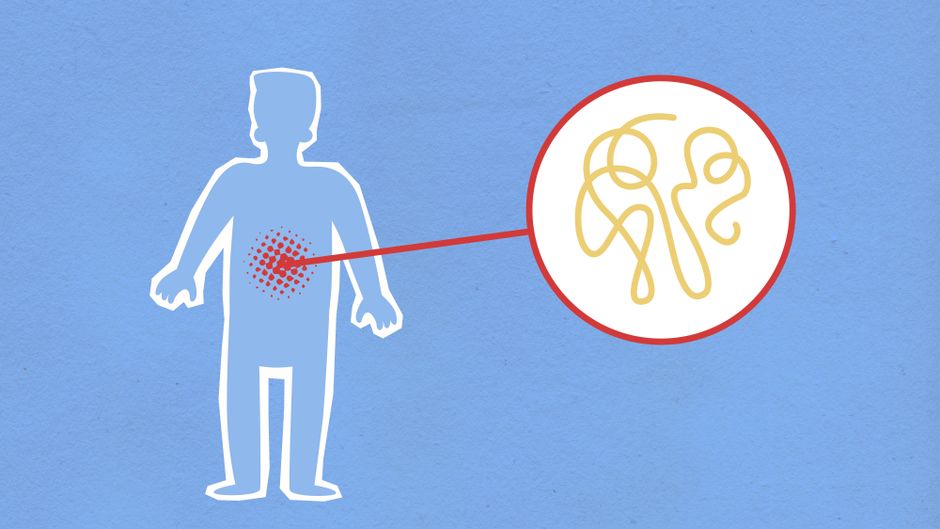
Stomach viruses spread mainly through tiny amounts of vomit or stool that reach your mouth — usually by touching contaminated surfaces, eating food handled by someone who is infected, or breathing in particles when a sick person vomits nearby. The single most effective thing that “kills” them is washing your hands with soap and water, because soap physically destroys the virus’s outer shell. Alcohol hand sanitizers do not work well against norovirus, the most common cause of this illness.
What Actually Causes A Stomach Virus?
When people say “stomach virus,” they usually mean viral gastroenteritis — inflammation of the stomach and intestines. Several different viruses cause it, and they are not related to each other.
The most common one in adults and children is norovirus. It is the leading cause of vomiting and diarrhea from contaminated food in the United States. Rotavirus is another major cause, though it is now much less common in the US because of routine childhood vaccination. Adenovirus, astrovirus, and sapovirus can also cause similar symptoms.
The word “stomach flu” is misleading. Influenza viruses attack the respiratory system, not the gut. A flu shot will not protect you from viral gastroenteritis. This confusion matters because people sometimes expect the wrong illness and take the wrong precautions.
How A Stomach Virus Spreads And What Actually Kills It?
These viruses spread through what doctors call the fecal-oral route. That means virus particles leave an infected person in stool or vomit and enter a new person through the mouth.
You do not need to see the contamination. Norovirus can spread from a surface that looks perfectly clean. Here is how it typically happens:
- Touching a contaminated doorknob, faucet, or phone, then touching your mouth or food
- Eating food prepared by someone who is infected and did not wash their hands well
- Sharing utensils, cups, or towels with a sick person
- Being near someone who vomits — the act can launch tiny infectious particles into the air that you then swallow or breathe in
- Changing a diaper or caring for someone with diarrhea, then failing to wash up properly
The dose needed to make you sick is remarkably small. For norovirus, researchers estimate that as few as a handful of virus particles can cause illness. That is one reason outbreaks move through schools, cruise ships, nursing homes, and restaurants so quickly.
What actually kills these viruses is different from what kills bacteria. Norovirus has a tough outer protein shell that lets it survive on hard surfaces for days and resist many common cleaners. Soap and water work because soap breaks that shell apart mechanically. Alcohol-based sanitizers are far less reliable against norovirus — they work better against some other viruses but should not be your first choice during a norovirus outbreak.
Bleach-based cleaners are the standard for disinfecting surfaces after someone has been sick. The CDC recommends a chlorine bleach solution for contaminated hard surfaces, mixed fresh because bleach loses strength over time.
How Long Are You Contagious?
People are most contagious while they have symptoms and during the first few days after they feel better. This is the part most people get wrong.
With norovirus, you can still shed virus in your stool for up to two weeks after symptoms stop. That means you can pass the illness to others even when you feel completely normal. Careful handwashing needs to continue well past the point where you feel recovered.
The time from exposure to symptoms is short — usually 12 to 48 hours for norovirus. That fast turnaround is why outbreaks seem to appear overnight.
-
 Can A Stomach Virus Cause Constipation? Root Causes
 -
How To Boost Blood Circulation What Actually Works?
-
Pink Salt for Weight Loss. Does It Actually Work? Facts VS Myths
-
Joint Genesis Reviews 2026 – Does This Joint Supplement Actually Work?
-
Finessa Reviews & Complaints 2026: Helps In Gut & Digestion?



What Are The Symptoms And How Long Do They Last?
The main symptoms are vomiting, watery diarrhea, stomach cramps, and nausea. Some people also get a low-grade fever, headache, or body aches.
For most healthy adults and children, the illness runs its course in one to three days. Symptoms come on suddenly and often hit hard within hours.
The real danger is not the virus itself. It is dehydration. Vomiting and diarrhea drain fluid and electrolytes fast, and young children and older adults can become dehydrated more quickly than others. Signs to watch for include:
- Dry mouth and throat
- Urinating less than usual, or dark urine
- Dizziness when standing up
- Sunken eyes or, in infants, fewer wet diapers
- Unusual sleepiness or fussiness in children
Seek medical care if someone cannot keep fluids down, shows signs of serious dehydration, has bloody diarrhea, or has a high fever. These are not typical of a simple stomach virus and may point to something else.
What Actually Helps You Recover?
There is no antiviral medication that treats norovirus or most other stomach viruses. Antibiotics do nothing because they only work on bacteria. Recovery is about replacing fluids and letting the illness pass.
Oral rehydration solutions are the most reliable way to replace both water and electrolytes. These are sold at pharmacies and are not the same as sports drinks, which contain more sugar and less of the right electrolyte balance. For mild cases, small sips of clear fluids frequently can work. For children, an oral rehydration solution is the preferred choice.
Some clinicians recommend avoiding dairy, caffeine, alcohol, and very fatty foods until symptoms settle, though the evidence that this speeds recovery is limited. The more important goal is simply staying hydrated.
Anti-diarrheal medications are sometimes used in adults, but they should be avoided in anyone with bloody diarrhea or high fever, and they are generally not given to young children without medical guidance. When in doubt, ask a pharmacist or doctor.
How Do You Stop It From Spreading At Home?
If one person in a household gets sick, the goal is to keep it from moving through everyone else. Handwashing with soap and water is the cornerstone, especially after using the bathroom, changing diapers, and before preparing food.
Wash your hands for at least 20 seconds. Scrub the backs of your hands, between your fingers, and under your nails. Rinse and dry with a clean towel.
Clean contaminated surfaces with a bleach-based solution. Wash soiled clothing and bedding promptly, and handle them carefully to avoid spreading particles. Do not shake dirty laundry, which can send virus into the air.
If you are sick, stay home. Do not prepare food for others while you have symptoms and for at least a couple of days after you recover. This is one of the most effective steps to protect the people around you.
Alcohol-based hand sanitizers can be a reasonable backup when soap and water are not available. They are simply not as reliable against norovirus, so do not treat them as equal.
Can You Build Up Immunity?
Immunity to norovirus is complicated. There are many different strains, and protection from one strain does not necessarily protect you from another. That is why people can get sick with norovirus repeatedly over their lifetime.
Some people also appear to be genetically more resistant to certain strains, but this does not make anyone fully immune. There is currently no licensed vaccine for norovirus in the United States, though research is ongoing. Rotavirus, by contrast, does have a routine childhood vaccine that has greatly reduced severe cases.
Does Hand Sanitizer Kill Stomach Viruses?
Not reliably. Alcohol-based hand sanitizers work well against many germs, but norovirus is one they handle poorly. Soap and water physically remove and break down the virus, which is why they are the recommended method during outbreaks.
This is one of the clearest places where common practice and evidence diverge. People reach for sanitizer out of habit. During a stomach virus outbreak, that habit leaves a gap.
Frequently Asked Questions
How long does a stomach virus last?
Most stomach viruses run their course in one to three days in otherwise healthy people. Symptoms usually start suddenly and improve on their own, though dehydration can make the illness more serious.
Can you get a stomach virus from food?
Yes. Norovirus is a leading cause of foodborne illness, often spread when an infected person prepares food without washing their hands well. Leafy greens, fresh fruit, and shellfish are common sources.
Does alcohol hand sanitizer kill norovirus?
Not reliably. Soap and water are the recommended method because they physically break down the virus, while alcohol-based sanitizers are much less effective against norovirus.
How long are you contagious after a stomach virus?
You can spread norovirus for up to two weeks after symptoms stop, even if you feel completely fine. Continue washing your hands carefully during that time, especially before preparing food.
