
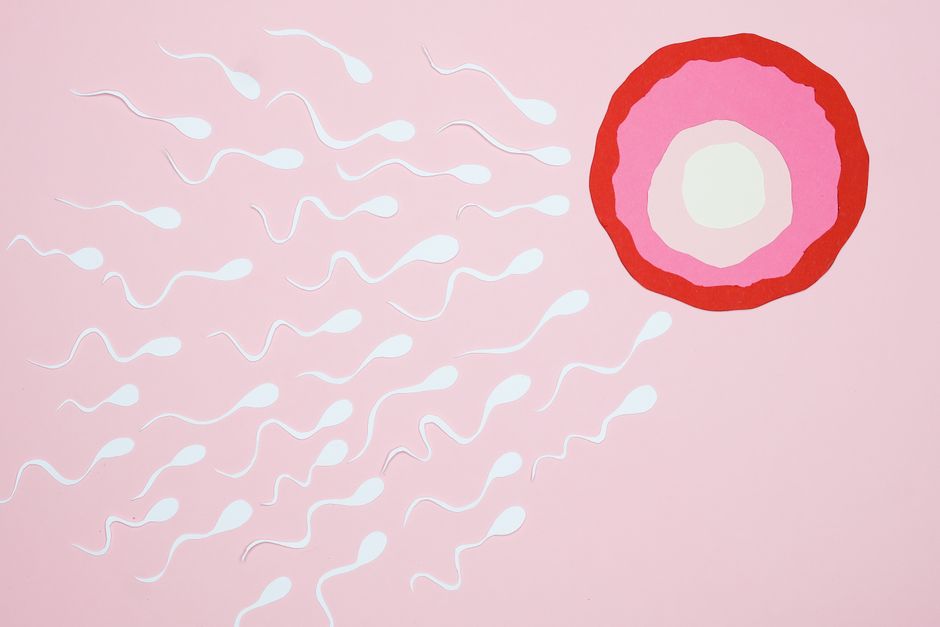
A sperm sample after a vasectomy is not a single, fixed thing. It depends entirely on whether you mean the sample sitting in a collection cup at a lab or the sperm left inside your reproductive tract after the procedure. For the lab test, a semen sample must be analyzed within one hour of collection. For clearing the remaining sperm from your system, the timeline is much longer—typically three months or about 15 to 20 ejaculations before a test can confirm you are sterile.
How Long Does A Sperm Sample Last After Vasectomy for Testing
When you provide a semen sample to a lab for post-vasectomy testing, time is critical. The sample must reach the lab and be analyzed within one hour of ejaculation. Sperm begin to lose motility quickly once outside the body. After that first hour, the results become unreliable because non-motile sperm may simply be dead rather than absent.
The lab is looking for one specific thing: any sperm at all. Most clinics require a sample showing zero sperm per milliliter before they declare the vasectomy successful. Some labs use a more sensitive test that spins the sample down and examines the entire pellet for any remaining sperm.
Transport matters too. Keep the sample at body temperature—not hot, not cold. Do not leave it in a car or on a counter. The collection cup should be labeled with your name, date, and time of collection. If the sample cannot reach the lab within the hour, discard it and collect a new one.
Why You Cannot Rely on a Single Negative Test
After a vasectomy, sperm do not disappear overnight. They are already stored in the vas deferens, the tube that was cut or blocked. Those stored sperm can survive for weeks. A single negative test too early can give you false confidence.
Standard clinical practice requires a semen analysis at about 12 weeks after the procedure. By that point, most men have had enough ejaculations to flush out the stored sperm. The other common benchmark is 15 to 20 ejaculations. Some men clear faster, some slower. That is why the test—not a calendar—is the final word.
Until a lab confirms zero sperm, you must use another form of birth control. A vasectomy does not protect you from the moment of surgery. Pregnancy is possible during this window, and it happens more often than men expect.
What Happens to Sperm Inside Your Body After Vasectomy
After a vasectomy, your testicles continue producing sperm. That production does not stop. The sperm simply have no exit route because the vas deferens is blocked. The body absorbs them.
Specialized cells in the epididymis and the immune system break down the trapped sperm and recycle their components. This is a normal physiological process. It happens continuously and silently. Most men never notice it.
This ongoing production is why the post-vasectomy test exists. Your body is always making new sperm. The question is whether any can get through the blocked tube. The answer is usually no, but the only way to know for certain is the lab test.




What Does a Positive Test Mean
A positive test means sperm are still present in your ejaculate. This is not necessarily a failed vasectomy. It may simply mean you have not ejaculated enough times yet. The vas deferens is a long tube, and sperm can hide in its folds.
Your doctor will likely ask you to ejaculate more frequently and return for another test in a few weeks. Repeat testing is common. Most men who test positive early will test negative later.
A true failed vasectomy—where the tube has reconnected on its own—is rare but possible. This is called recanalization. It can happen weeks or even months after the procedure. It is one more reason the confirmation test is not optional. It is the only way to know the surgery worked.
How Long Sperm Survive Outside the Body
Outside the body, sperm survival is short. In air, on a dry surface, sperm die within minutes. In a warm, moist environment like a collection cup, they may survive for up to an hour or slightly longer, but their quality declines rapidly.
This is why the one-hour rule for lab testing is strict. Motility is the first thing to go. A sperm that is immobile at 90 minutes may have been perfectly healthy at 30 minutes. The lab cannot tell the difference between a dead sperm and a sperm that was never alive in the sample.
If you are collecting a sample at home, the clock starts at ejaculation, not when you leave the house. Plan the drive to the lab into your timing. Many clinics offer private collection rooms on-site to eliminate this variable entirely.
How Long Sperm Survive Inside the Female Reproductive Tract
This is a different question with a different answer. Sperm that enter the female reproductive tract during intercourse can survive for up to five days. The cervical mucus provides a protective environment that keeps them alive and motile.
This matters after a vasectomy because it explains the waiting period. If you have intercourse during the weeks after your procedure, any sperm still in your ejaculate can fertilize an egg. The five-day survival window means a single act of intercourse can result in pregnancy even if ovulation happens days later.
This is not speculation. This is established reproductive physiology. It is the reason doctors are so firm about using backup contraception until the negative test result is confirmed.
What Can Speed Up the Clearing Process
Frequent ejaculation is the only factor that reliably speeds up the clearing of stored sperm. Each ejaculation flushes a portion of the remaining sperm out. More ejaculations mean fewer sperm left behind.
There is no evidence that any food, supplement, or medication speeds up this process. No study has shown that anything you eat or drink will clear your system faster. The biology is mechanical—the sperm are physically stored in the tube, and they need to be physically flushed out.
Some men ask if masturbation counts. It does. Any ejaculation, regardless of how it happens, moves sperm through and out. The number of ejaculations matters, not the method.
When You Are Officially Clear
You are officially clear only when a lab report says so. The standard is azoospermia—zero sperm in the ejaculate. Some labs accept a very low count of non-motile sperm as a pass, but most clinics require zero to be safe.
The timeline is typically three months. Some men clear in six weeks. Others take longer. The test is the only reliable measure. Do not rely on how you feel, how long it has been, or what a friend told you.
Once you have a confirmed negative test, the vasectomy is considered successful. At that point, no backup contraception is needed. If a later test shows sperm reappearing—which is rare—contact your doctor immediately.
Frequently Asked Questions
How many ejaculations are needed after a vasectomy?
Most guidelines recommend 15 to 20 ejaculations before the confirmation test. The actual number varies by man, which is why the lab test is the final determination.
Can a vasectomy fail after a negative test?
Yes, but it is rare. Recanalization, where the vas deferens reconnects, can occur months or years later. This is why some doctors recommend a repeat test one year after the procedure.
Is it safe to have sex without protection after a vasectomy?
No, not until a lab confirms zero sperm in your ejaculate. Until that test result, you can still get someone pregnant.
How soon after a vasectomy can I take the semen test?
Most doctors schedule the first test at 12 weeks after the procedure. Testing earlier may show sperm that simply have not been flushed out yet.
