
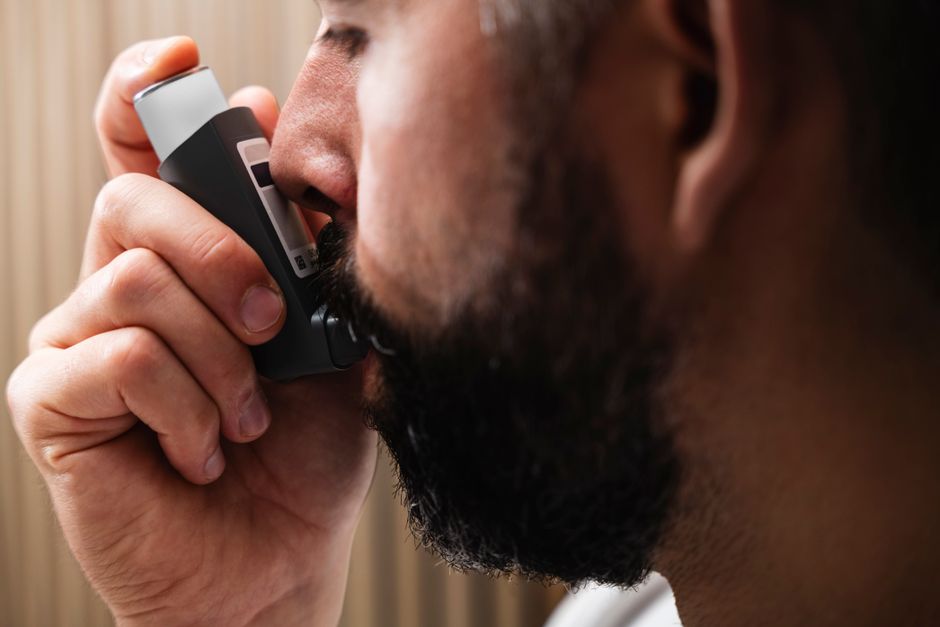
A pulmonary function test usually takes about 45 minutes to complete. The actual breathing tests take only 10 to 20 minutes of that time. The rest is spent on preparation, instructions, and any waiting before the test begins. The exact time depends on how many tests your doctor orders and how quickly you can perform the breathing maneuvers.
What Happens During a Pulmonary Function Test?
A pulmonary function test measures how well your lungs work. The most common type is spirometry. You breathe into a mouthpiece connected to a machine that records how much air you inhale and exhale and how fast you blow it out.
The technician will ask you to take a deep breath and then blow out as hard and as fast as you can. You will likely repeat this several times to get consistent results. Each attempt takes about 15 to 30 seconds. Most people complete the entire spirometry portion in 10 to 15 minutes.
Other tests may be added. Lung volume testing measures the total amount of air your lungs can hold. Diffusion capacity testing measures how well oxygen moves from your lungs into your blood. These tests add time but usually extend the appointment by only 10 to 15 minutes total.
How Long Does A Pulmonary Function Test Take from Start to Finish?
From the moment you check in to the moment you leave, expect about 45 minutes to one hour. The testing itself is rarely the longest part. The intake process, explanation of the procedure, and setup take up a significant portion of the appointment.
You will need to loosen any tight clothing around your chest. You may need to remove dentures if they interfere with the mouthpiece. The technician will explain each maneuver before you do it and will correct your technique between attempts if needed.
If you use bronchodilator medication, the test takes longer. Your doctor may order a test before and after inhaling a bronchodilator to see if your airways open up. This adds a waiting period of about 15 minutes between the two sets of measurements.
What Makes the Test Take Longer?
Several factors can extend the total appointment time. Difficulty performing the breathing maneuvers is the most common reason. The test requires maximal effort. Some people struggle to blow out long enough or hard enough on the first few tries. The technician may need extra attempts to get three acceptable readings.
Your health status matters too. Shortness of breath, coughing, or fatigue can slow down the process. The technician will let you rest between attempts as needed. This is normal and does not mean anything is wrong with your results.
More extensive testing also adds time. A full pulmonary function test that includes spirometry, lung volumes, and diffusion capacity takes longer than a simple spirometry screening. Your doctor will order only the tests needed for your specific situation.

How Long Does the Actual Breathing Test Last?
The active breathing portion of a standard spirometry test lasts about 10 to 15 minutes. This includes all of the attempts, not just the successful ones. Each individual blow takes only a few seconds, but the repetition and rest periods between attempts add up.
Lung volume testing takes another 5 to 10 minutes. You may breathe in a small amount of nitrogen or helium gas to measure your lung capacity. You might also sit inside a clear, phone-booth-sized box called a body plethysmograph. This part is not painful, but some people find it slightly uncomfortable.
Diffusion capacity testing takes about 5 minutes. You inhale a small amount of carbon monoxide mixed with a tracer gas, hold your breath for 10 seconds, and then exhale. The machine measures how much of that gas your lungs absorbed.
How to Prepare for a Pulmonary Function Test
Preparation directly affects how smoothly and quickly the test goes. Do not smoke for at least one hour before the test. Smoking can temporarily narrow your airways and change your results.
Avoid heavy meals before the appointment. A full stomach can make it harder to take deep breaths. Wear loose, comfortable clothing. Tight clothing around your chest or waist restricts your ability to take a full breath.
Ask your doctor about your medications beforehand. Some inhalers can affect the results. Your doctor may ask you to hold certain bronchodilator medications for a specific number of hours before the test. Follow these instructions exactly. Do not stop any medication without your doctor’s direction.
Tell the technician if you have had chest or abdominal surgery recently, or if you have a heart condition. These factors can influence how hard you can safely blow during the test.
What Do the Results Tell You?
Your results compare your lung function to normal values for someone your age, height, sex, and ethnicity. The most important numbers are your FVC and FEV1. FVC is the total amount of air you can forcefully exhale. FEV1 is the amount you can exhale in the first second.
Low FVC may indicate a restrictive lung problem where your lungs cannot expand fully. A low FEV1 compared to your FVC may indicate an obstructive problem like asthma or COPD. Your doctor interprets these numbers together rather than looking at one in isolation.
The results are not a diagnosis by themselves. Your doctor considers your symptoms, medical history, and other tests before making a diagnosis. The pulmonary function test is one piece of the picture.
Are There Risks or Side Effects?
Pulmonary function tests are safe for most people. The breathing maneuvers can make you feel lightheaded or short of breath temporarily. This passes quickly once you stop blowing.
You may cough during or after the test. This is common, especially if you have asthma or a productive cough. The technician will let you rest until you recover before continuing.
Some people feel tired after the test because of the repeated deep breaths. This is normal and usually resolves within a few minutes. Serious complications are rare. The test is not performed during an active asthma attack or if you have unstable heart disease.
Frequently Asked Questions
How long does a spirometry test take?
The active spirometry portion takes about 10 to 15 minutes. The full appointment including setup and instructions takes about 45 minutes.
Can I drive home after a pulmonary function test?
Yes, you can drive yourself home. The test does not involve sedation and does not impair your ability to drive.
Do I need to stop my inhaler before the test?
Your doctor will tell you which medications to hold and for how long. Do not stop any inhaler without specific instructions from your doctor.
How long do pulmonary function test results take to come back?
Results are usually available within a few days. Your doctor reviews the numbers and discusses them with you at a follow-up appointment or over the phone.
