
Plasma is the pale yellow liquid that makes up about 55 percent of your blood, and it does the job of carrying almost everything your body needs to move from one place to another. It transports red and white blood cells and platelets, delivers nutrients, hormones, and proteins to tissues, and carries waste products away for disposal. Without plasma, blood cells would have no medium to travel in and no way to reach the organs that depend on them.
Most people never think about plasma until they donate it, receive it, or hear the word in a lab report. Yet it is one of the most active fluids in the body. It is roughly 90 percent water, and the remaining 10 percent is a mix of hundreds of dissolved proteins, salts, sugars, fats, hormones, and gases. That small fraction does an enormous amount of work.
What Exactly Is Blood Plasma Made Of?
Plasma is water first, everything else second. Water makes up about 90 to 92 percent of it. The rest is dissolved solids, and those solids are where the real function lives.
The main dissolved components include:
- Proteins — mostly albumin, globulins, and fibrinogen. Albumin is the most abundant and helps hold fluid inside blood vessels. Globulins include antibodies that fight infection. Fibrinogen is a clotting protein.
- Electrolytes — sodium, potassium, calcium, magnesium, chloride, and bicarbonate. These control fluid balance, nerve signals, and pH.
- Nutrients — glucose, amino acids, fatty acids, vitamins, and minerals absorbed from the digestive tract.
- Waste products — urea, creatinine, and bilirubin, on their way to the kidneys or liver.
- Hormones and gases — including oxygen and carbon dioxide in small dissolved amounts.
If you let a tube of blood sit without an anti-clotting agent, it separates. The cells sink and the straw-colored liquid on top is plasma. If you let that same blood clot first and then spin it, the liquid left over is called serum. Serum is plasma minus the clotting proteins. That difference matters in lab testing, and it is one reason a clinician may order a plasma test rather than a serum test.
What Is The Function Of A Plasma In The Body?
Plasma performs several jobs at once, and they overlap. The clearest way to understand it is to look at what it carries and what it regulates.
Transport. Plasma is the highway of the circulatory system. Red blood cells ride in it and carry oxygen. White blood cells ride in it and patrol for infection. Platelets ride in it and rush to injury sites. Dissolved in the plasma itself are the nutrients from your last meal, the hormones your glands released this morning, and the waste your cells produced an hour ago.
Fluid balance. Albumin and other plasma proteins create what is called oncotic pressure. This pressure pulls water back into the bloodstream from surrounding tissues. When albumin drops too low, fluid leaks into tissues and swelling appears. This is why liver disease and some kidney conditions cause edema — the liver makes albumin, and damaged kidneys can lose it through urine.
Clotting. Fibrinogen and other clotting factors circulate in plasma in an inactive form. When a blood vessel is injured, a chain of reactions converts fibrinogen into fibrin, which forms a mesh that traps platelets and cells to seal the break.
Immune defense. Antibodies, also called immunoglobulins, are plasma proteins. They recognize specific bacteria and viruses and mark them for destruction.
pH and temperature regulation. Plasma buffers help keep blood pH within a narrow window, generally around 7.35 to 7.45. Plasma also distributes heat, which is part of why blood flow affects body temperature.
How Does Plasma Differ From Blood Cells And Serum?
Blood is a suspension, not a simple liquid. About 45 percent of it is cells — red cells, white cells, and platelets — and about 55 percent is plasma. The percentages shift a little depending on hydration, altitude, and health status. A person who is dehydrated has less plasma water, so the cell fraction looks proportionally higher. That is why a lab result called hematocrit can look abnormal when the real issue is fluid status.
Serum is the term people confuse most often with plasma. Both are the liquid portion of blood, but plasma still contains clotting factors and serum does not. In practice, this means:
| Feature | Plasma | Serum |
|---|---|---|
| Clotting proteins | Present | Removed by clotting |
| How it is obtained | Blood collected with an anticoagulant | Blood allowed to clot first |
| Common use | Clotting tests, some chemistry panels | Most routine chemistry and antibody tests |
Neither is “better.” The choice depends on what the lab needs to measure.





Why Does Plasma Matter In Medicine And Donation?
Plasma is not just a biological detail. It is a treatment. Plasma-derived products are used in hospitals every day.
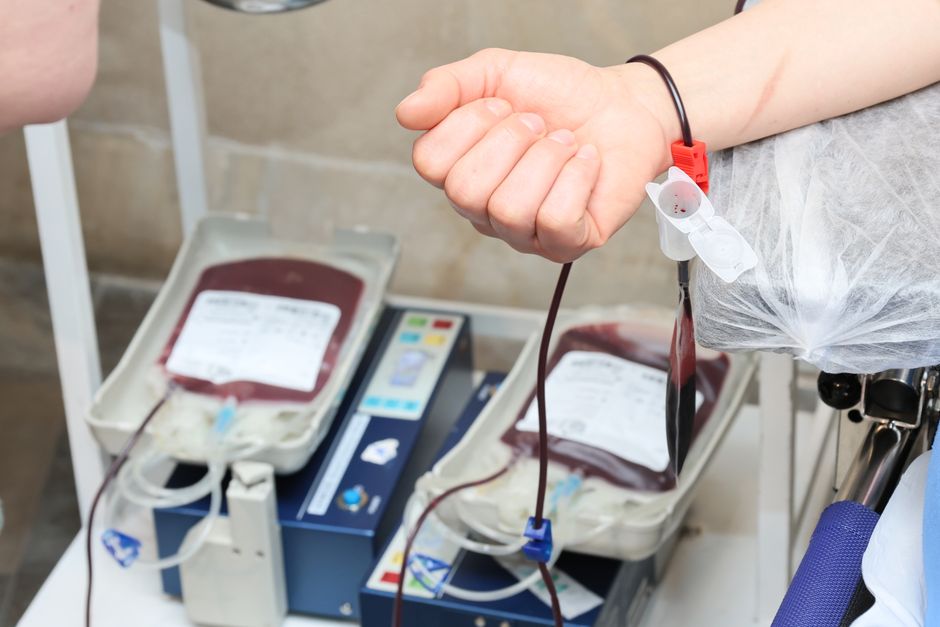
Donated plasma is collected by a process called plasmapheresis, where blood is drawn, the plasma is separated, and the cells are returned to the donor. Because the body replaces plasma proteins within days, a person can donate plasma more often than whole blood, though donation centers set their own schedules and eligibility rules.
Plasma transfusions are used in specific situations — for example, in severe bleeding, certain clotting disorders, and some liver conditions where clotting factors are deficient. Plasma is also the starting material for manufacturing concentrated clotting factor products used in bleeding disorders such as hemophilia, and for immune globulin products used in some immune and neurological conditions. These are established uses supported by clinical practice and regulatory approval.
One clarification worth making: donated plasma is not a general “energy” or “immunity” product for healthy people. Its medical value comes from specific proteins that certain patients cannot make enough of on their own.
What Happens When Plasma Goes Wrong?
Because plasma touches so many systems, problems with it show up in many ways. The pattern depends on which component is affected.
Low albumin from liver disease, kidney disease, or malnutrition can cause swelling in the legs and abdomen. A shortage of clotting factors can cause easy bruising or prolonged bleeding. An excess or imbalance of certain proteins can make blood too thick or too prone to clotting. Abnormal antibody proteins can appear in some cancers of the plasma cells, a group of conditions that includes multiple myeloma.
Plasma is also where many routine lab tests are run. A basic metabolic panel measures electrolytes, glucose, and kidney markers in plasma or serum. A lipid panel measures cholesterol and triglycerides. Liver function tests measure enzymes and proteins. These tests are common, and their results reflect what is circulating in the plasma at the moment of the draw.
It is worth noting that a single abnormal plasma value rarely tells the whole story. Hydration, recent meals, medications, and timing all affect results. Clinicians interpret plasma values alongside symptoms, history, and other tests rather than in isolation.
Can You Change Or Improve Your Plasma?
You cannot directly “boost” plasma, and no supplement has been shown to improve plasma function in healthy people. What you can do is support the systems that keep plasma composition in a normal range.
Staying well hydrated helps maintain blood volume and keeps the ratio of cells to plasma closer to normal. Eating enough protein supports albumin production, assuming liver function is intact. Managing conditions like diabetes, high blood pressure, and kidney disease protects the organs that regulate plasma composition. Avoiding smoking and limiting heavy alcohol use reduces strain on the liver and blood vessels.
Some products sold online claim to “purify” or “support” plasma. No clinical evidence confirms these claims. The body regulates plasma composition through the liver, kidneys, and endocrine system, and it does this continuously without outside help in a healthy person.
Frequently Asked Questions
What is the main function of plasma in blood?
Plasma transports blood cells, nutrients, hormones, and waste products throughout the body while helping regulate fluid balance, clotting, and pH. It is the liquid medium that makes circulation possible.
Is plasma the same as serum?
No. Plasma still contains clotting proteins, while serum is what remains after blood has clotted and those proteins are used up. Labs choose one or the other depending on what they need to measure.
How often can you donate plasma?
Donation centers generally allow plasma donation more frequently than whole blood donation because the body replaces plasma proteins within days. Specific eligibility and scheduling rules are set by each center and by regulatory guidance.
Can you live without plasma?
No. Without plasma, blood cells could not circulate, nutrients could not reach tissues, and waste could not be removed. Plasma is essential to life, not optional.
