
Pregnancy changes your body’s center of gravity, loosens your joints, and puts extra pressure on your lower back and blood vessels. Because of these changes, some positions that were comfortable before pregnancy can become unsafe or simply unmanageable. The main positions to avoid during pregnancy are lying flat on your back after the first trimester, standing still for long periods, and any position that causes you to feel dizzy, lightheaded, or short of breath. If a position makes you feel unwell, your body is telling you to move — and you should listen.
Why Is Lying on Your Back a Concern During Pregnancy?
Lying flat on your back is the position most often linked to pregnancy complications. After about 20 weeks, the weight of the growing uterus can press on the inferior vena cava. This is the large vein that carries blood from your lower body back to your heart.
When this vein is compressed, blood flow to your heart decreases. That means less blood reaches your uterus and your baby. Some women feel this as dizziness, nausea, or shortness of breath. Others feel nothing at all, even though blood flow may still be reduced.
This condition is called supine hypotensive syndrome. It is well documented in medical literature. The symptoms usually resolve quickly when you turn onto your side.
Most clinicians advise that after 20 weeks, you should not spend extended time on your back. This applies to sleep, resting, exercise, and even sitting reclined at a sharp angle. A short period on your back for a medical exam or an ultrasound is generally considered safe because it is brief.
What Is the Safest Sleeping Position During Pregnancy?
Sleeping on your side is the recommended position for the second and third trimesters. The left side is often highlighted as the best option because it keeps the uterus off the liver and improves blood flow to the kidneys and uterus.
However, the right side is also acceptable. Research has not shown a major difference in outcomes between left and right side sleeping. The key point is to avoid lying flat on your back for prolonged periods.
You do not need to panic if you wake up on your back. Many women roll onto their back during the night without realizing it. Waking up on your back does not automatically harm your baby. Your body’s discomfort usually wakes you before any serious problem develops.
If you frequently wake up on your back, try placing a pillow behind your back or between your knees. This can make side sleeping more comfortable and help you stay in that position through the night.
Are There Exercise Positions That Should Be Avoided?
Exercise during pregnancy is generally safe and encouraged for most women. But certain positions and activities carry higher risk.
Avoid exercises that require you to lie flat on your back after the first trimester. This includes some traditional abdominal exercises like crunches and certain yoga or Pilates poses. The concern is the same as with sleeping — compression of the vena cava reduces blood flow.
Positions that carry a high risk of falling should also be avoided. Your center of gravity shifts as your belly grows, making balance less reliable. Activities like cycling on a road bike, skiing, or horseback riding become riskier as pregnancy progresses.
Deep backbends and extreme twists in yoga can strain the abdominal muscles. The hormone relaxin loosens your ligaments during pregnancy, so joints are less stable. This makes overstretching more likely.
Hot yoga or exercise in very hot environments should also be avoided. Elevated core temperature during the first trimester has been linked to an increased risk of certain birth defects, though the evidence is not definitive. The safer approach is to keep exercise in a cool, well-ventilated space.





What About Standing for Long Periods?
Standing still for long stretches is a position in itself, and it is one that many pregnant women struggle with. Prolonged standing reduces blood return from your legs. This can cause blood to pool in your lower extremities, leading to swelling, varicose veins, and dizziness.
Some research has linked prolonged standing at work with a higher risk of preterm birth and low birth weight, though the findings are not consistent across all studies. The evidence is strong enough that many occupational health guidelines recommend regular breaks for pregnant workers who stand for long periods.
If your job requires standing, take frequent sitting breaks. Shift your weight from one foot to the other. Wear supportive shoes. Compression stockings can help reduce swelling and discomfort.
The key is movement. Your body needs regular position changes to keep blood flowing properly.
What Sitting Positions Should Pregnant Women Avoid?
Sitting for long hours has its own set of concerns during pregnancy. Sitting in a slouched position puts extra strain on your lower back. As your uterus grows, your abdominal muscles stretch and weaken, so your back muscles have to work harder to keep you upright.
Avoid sitting with your legs crossed for extended periods. This can reduce circulation in your legs and increase the risk of blood clots. Pregnancy already raises your risk of deep vein thrombosis, a blood clot usually in the leg.
Do not sit in a position that leaves a gap between your lower back and the chair. Use a small rolled towel or lumbar support pillow to fill that space. Keep your feet flat on the floor rather than tucking them under you.
If you sit at a desk all day, get up and walk around every hour. This keeps blood moving and reduces stiffness in your hips and back.
When Should You Avoid Certain Positions Due to Medical Conditions?
Some women have medical conditions that require extra caution with positioning. If you have placenta previa, where the placenta covers the cervix, or a history of preterm labor, your doctor may give you specific activity restrictions. These restrictions often include avoiding positions that increase pelvic pressure.
Women carrying twins or triplets may find certain positions uncomfortable earlier in pregnancy. The uterus grows faster and larger, so vena cava compression can happen sooner than 20 weeks. Your doctor may advise you to avoid lying flat on your back even earlier.
If you have low blood pressure, you may be more sensitive to position changes. Getting up too quickly from lying or sitting can cause a sudden drop in blood pressure, leading to dizziness or fainting. Stand up slowly and hold onto something stable.
Always follow the specific advice of your healthcare provider. General recommendations are useful, but your individual medical history matters more.
How Do You Know If a Position Is Unsafe?
Your body gives clear signals when a position is not working. Dizziness, lightheadedness, nausea, shortness of breath, and feeling faint are all warning signs. If you feel any of these, change your position immediately.
Numbness or tingling in your legs or feet can indicate nerve compression. This is common in late pregnancy because the growing uterus can press on nerves. Changing positions usually relieves the symptoms.
Pain is another signal. Sharp pain in your abdomen, pelvis, or back during a specific position should not be ignored. Some discomfort is normal as ligaments stretch, but sharp or persistent pain warrants a conversation with your doctor.
Swelling that suddenly worsens in your face, hands, or feet can be a sign of preeclampsia, a serious condition involving high blood pressure during pregnancy. This is not related to position, but it is important to recognize the difference between normal pregnancy swelling and a concerning change.
What Positions Are Actually Recommended?
Side-lying is the gold standard for rest and sleep. The left side is often preferred, but either side works. Use pillows to support your belly and between your knees for comfort.
Sitting upright with good back support is recommended for desk work. Keep your knees at a 90-degree angle and your feet flat on the floor.
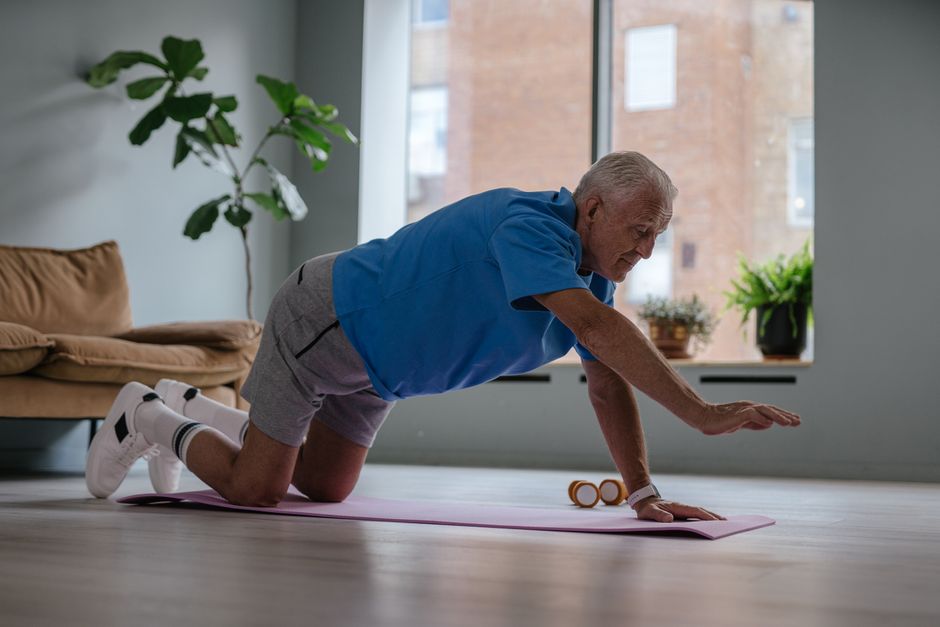
When exercising, choose positions that keep you upright or on all fours. Modified planks, bird-dog exercises, and standing strength work are generally safe. Swimming is excellent because the water supports your weight and reduces joint strain.
The overarching principle is simple: keep blood flowing and avoid prolonged pressure on your abdomen or major blood vessels. Move regularly. Change positions often. Listen to your body when it tells you something is wrong.
Frequently Asked Questions
Is it safe to sleep on my back during pregnancy?
After about 20 weeks, sleeping flat on your back can compress a major blood vessel and reduce blood flow to your uterus. Side sleeping is recommended for the second and third trimesters.
Can I do crunches while pregnant?
Traditional crunches on your back are not recommended after the first trimester because they involve lying flat and can strain your abdominal muscles. Safer core exercises include standing or side-lying variations.
How long can I stand during pregnancy?
There is no exact safe limit, but prolonged standing without breaks can cause swelling, dizziness, and leg discomfort. Take sitting breaks every hour and keep your legs moving to maintain circulation.
What should I do if I wake up on my back?
Simply roll onto your side. Waking up on your back for a short time is not known to cause harm, and your body’s discomfort usually wakes you before any problem develops.
