

Most blood tests do not require fasting. For the tests that do, the standard fasting period is 8 to 12 hours. You can drink plain water during this time, but you should avoid food, coffee, tea, and other beverages. Your doctor will tell you exactly which tests need fasting and for how long, so always follow their specific instructions over general advice.
Why Does Fasting Matter for Some Blood Tests?
Your body processes food for hours after you eat. Nutrients enter your bloodstream and can temporarily change the levels of certain substances. This makes it hard for doctors to get a clear baseline reading.
Fasting gives your body time to return to a resting state. This allows lab technicians to measure your blood without the recent meal skewing the results. It is not about being strict for no reason. It is about getting accurate data that helps your doctor make the right decisions.
Some tests are very sensitive to food intake. Others are not affected at all. The key is knowing which category your specific test falls into.
Which Blood Tests Typically Require Fasting?
The most common fasting tests measure glucose and lipids. A fasting blood sugar test checks for diabetes or prediabetes. A lipid panel measures cholesterol and triglycerides.
Triglycerides are especially sensitive to food. Eating a fatty meal before this test can cause a dramatic spike in your numbers. This could lead to a false diagnosis or an unnecessary change in your medication.
Other tests that often require fasting include:
- Basic metabolic panel (BMP) — checks kidney function, glucose, and electrolytes
- Comprehensive metabolic panel (CMP) — includes liver function tests
- Some vitamin level tests, such as vitamin B12 and iron studies
These are not universal rules. Some labs have different protocols. Some doctors prefer fasting for certain tests while others do not. Ask your doctor or the lab directly what their specific requirements are.
How Long Do You Need To Fast For Bloodwork?
The standard fasting window is 8 to 12 hours. Most doctors recommend fasting overnight. This is convenient because you sleep through most of the fasting period.
A common schedule is to stop eating after 8 PM and have your blood drawn early the next morning. This naturally gives you a 10 to 12 hour fasting window. Many people find this easier than fasting during the day.
Fasting for longer than 12 hours is not usually helpful. It can actually affect your results. Your body may start breaking down stored fat for energy, which can change your blood chemistry. Stick to the recommended window and do not extend it.
Fasting for less than 8 hours is often not enough. Your body may still be processing the last meal. This is especially true for triglyceride tests, which can stay elevated for several hours after eating.
What Can You Have While Fasting?
Plain water is always allowed. Staying hydrated actually helps make the blood draw easier because it keeps your veins plump and visible.
Black coffee and plain tea are usually allowed, but you should confirm this with your doctor. The concern is not the caffeine. It is what you add to the coffee or tea. Cream, sugar, milk, and flavored syrups all break a fast.
Some research suggests that plain black coffee may affect certain test results, particularly glucose and lipid panels. The evidence is mixed. Some studies show no effect, while others show minor changes. The safest choice is to skip coffee entirely until after the blood draw.
Chewing gum and hard candies are also off-limits. Even sugar-free gum can stimulate your digestive system and affect some results. This is a common mistake that people make without realizing it.
Alcohol is never allowed before a fasting blood test. It can significantly alter liver enzyme levels and glucose readings. Stop drinking alcohol at least 24 hours before your blood draw.
What Happens If You Accidentally Eat?
If you eat something by mistake, do not panic. Tell your doctor or the lab staff right away. They may reschedule your test or adjust how they interpret your results.
Do not assume a small snack will not matter. Even a small amount of food can change certain measurements. A single piece of toast can raise your blood sugar. A handful of nuts can raise your triglyceride levels.
It is better to reschedule than to get inaccurate results. An inaccurate result can lead to unnecessary worry, extra tests, or even the wrong treatment. One extra trip to the lab is worth avoiding those problems.
Which Blood Tests Do Not Require Fasting?
Many common blood tests do not require fasting at all. A complete blood count (CBC) measures your red and white blood cells and platelets. Food does not significantly affect these levels.
Thyroid function tests are usually not affected by food. Kidney function tests, such as creatinine and BUN, can be done without fasting in most cases. Liver enzyme tests may be less reliable after a fatty meal, but many labs no longer require fasting for them.
Some newer cholesterol testing methods do not require fasting. Research has shown that non-fasting lipid panels can still provide useful information. Some medical organizations now support non-fasting lipid testing for routine screening.
This does not mean you should skip fasting if your doctor tells you to fast. Your doctor may have specific reasons for wanting a fasting sample. Follow their instructions even if the test is one that usually does not require fasting.
How to Prepare for a Fasting Blood Test
Schedule your appointment for early morning. This makes the fasting period easier because you will not be awake for most of it.
Set a reminder to stop eating at the right time the night before. For example, if your appointment is at 8 AM and you need a 12-hour fast, your last meal should be before 8 PM the previous evening.
Drink extra water the day before and the morning of your test. This helps with the blood draw and can prevent dizziness. Dehydration can make your veins harder to find and increase the chance of a difficult draw.
Take your regular medications as directed unless your doctor tells you otherwise. Some medications need to be taken with food. If that applies to you, ask your doctor how to handle this before your test day.
Wear comfortable clothing with sleeves that roll up easily. This makes the blood draw quicker and more comfortable. It also reduces stress on the day of your appointment.
What to Expect During the Blood Draw
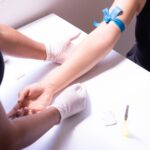
The blood draw itself takes only a few minutes. A technician will tie a band around your arm and find a vein. They will clean the area and insert a small needle.
You may feel a quick pinch when the needle goes in. This discomfort passes quickly. The technician will fill one or more small vials with blood. Then they will remove the needle and place a small bandage over the site.
Some people feel lightheaded during or after a blood draw. This is more common if you are fasting. Tell the technician if you feel dizzy or nauseous. They can help you sit down or provide a snack if needed.
After the draw, it is a good idea to eat something soon. Bring a small snack with you so you can eat immediately after the test. This helps your blood sugar return to normal and prevents dizziness.
Frequently Asked Questions
Can I drink water before a fasting blood test?
Yes, plain water is allowed and encouraged. It helps keep you hydrated and makes the blood draw easier.
Can I brush my teeth before a fasting blood test?
Yes, brushing your teeth is fine. Just do not swallow toothpaste, and avoid mouthwash that contains alcohol.
Can I take my morning medications before a fasting blood test?
Take your medications as prescribed unless your doctor gives different instructions. Some medications must be taken with food, so ask your doctor how to handle this.
How long does a fasting blood test take?
The blood draw itself takes about 5 minutes. The entire appointment, including check-in and preparation, usually takes 15 to 30 minutes.
