
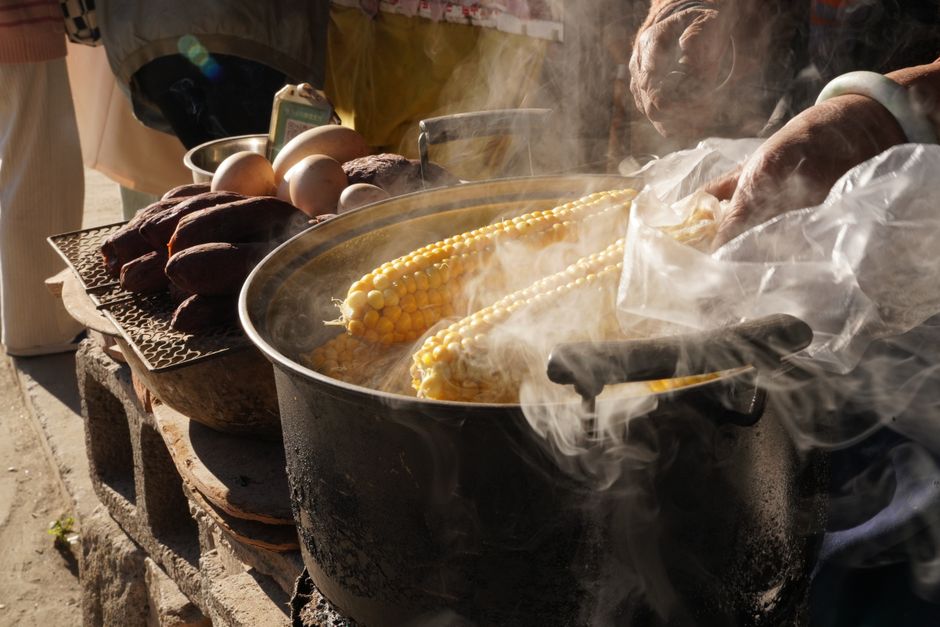
Boiling corn on the cob takes 4 to 10 minutes depending on how you like it. For tender, sweet kernels, boil shucked corn for 4 to 5 minutes in salted water. If you prefer corn with more bite, boil it for 7 to 10 minutes. The key is to not overcook it — corn turns mushy and loses sweetness the longer it sits in hot water. Timing starts once the water returns to a full boil after you add the corn.
How Long Do You Boil Corn For Perfect Results Every Time?
The exact time depends on the corn itself and your personal taste. Fresh, in-season corn needs less time than older corn. Corn that was picked days ago needs more time to soften.
Here are the standard boiling times for shucked corn on the cob:
Do not boil longer than 10 minutes. Research from the University of Illinois Extension shows that overcooking corn breaks down pectin, the natural compound that gives kernels their structure. The result is a sad, waterlogged cob with a gluey texture and flat flavor.
If you are boiling corn with the husk on, add 3 to 5 extra minutes. The husk acts as insulation, so the heat takes longer to reach the kernels. Some people prefer husk-on boiling because it traps more corn flavor and moisture.
Does the Type of Corn Change the Boiling Time?
Yes. Sweet corn varieties like “Sugar Enhanced” or “Supersweet” have higher sugar content and thinner cell walls. They cook faster than standard field corn. For supersweet varieties, aim for 3 to 4 minutes. Any longer and the kernels can turn tough because the high sugar content caramelizes and hardens.
White corn and yellow corn boil at the same rate. The color difference is just genetics — white corn has a recessive gene that blocks yellow pigment production. Both types have similar starch and sugar profiles, so timing is identical.
Frozen corn on the cob requires different timing. Do not thaw it first. Drop frozen cobs directly into boiling water and cook for 8 to 10 minutes. Frozen corn is blanched before freezing, so it is already partially cooked. You are just reheating it.
Old or starchy corn needs closer to 10 minutes. You can test this by pressing a kernel with your thumbnail. If milky liquid comes out, the corn is fresh and will cook quickly. If the liquid is clear or the kernel feels hard, the corn is older and needs the full 10 minutes.
What Does Research on Boiling Corn Show?
A study published in the Journal of Food Science found that boiling corn for 5 minutes preserved the highest level of antioxidants called ferulic acid. This compound is linked to reduced inflammation in the body. The same study showed that boiling for 15 minutes or longer caused significant antioxidant loss.
The USDA reports that corn loses about 25 percent of its vitamin C content when boiled for 10 minutes. This is normal for most vegetables. The water-soluble vitamins leach into the cooking water. If you want to keep those nutrients, use the cooking water for soup or rice.
Research from the University of California, Davis found that boiling corn at a rolling boil versus a gentle simmer made no difference in final texture. What mattered was total time in hot water. A rolling boil just gets the water hot faster. Once the corn is in, the temperature drops, and the cook time starts fresh.
There is no evidence that adding salt to the water makes corn sweeter. Salt actually can toughen corn kernels if added too early. The American Test Kitchen recommends adding salt after the water returns to a boil, not when you start heating it. Salt draws moisture out of the kernels and can make them rubbery if they sit in salted water too long.



What Are the Common Mistakes People Make When Boiling Corn?
The biggest mistake is boiling corn too long. Many people follow old recipes that say 15 to 20 minutes. Those recipes were written for older corn varieties that were starchier and needed more time. Modern sweet corn is bred to be tender and sugary. It does not need that long.
Starting corn in cold water is another error. Dropping corn into cold water and heating it together makes the kernels cook unevenly. The outer layers overcook while the center stays raw. Always bring the water to a full boil first, then add the corn.
Adding sugar to the water is unnecessary. It is a common hack that circulates online. The sugar in the water cannot penetrate the corn husk or kernel skin. All it does is sweeten the water. If you want sweeter corn, choose a sweeter variety at the store.
Shucking corn too far ahead is a problem many people overlook. Once you remove the husk, the corn starts losing moisture and sugar converts to starch. The USDA recommends shucking corn within 30 minutes of cooking for best flavor. If you must shuck early, wrap the cobs in a damp paper towel and refrigerate them.
Not salting the water at all is a missed opportunity. Salt enhances the corn’s natural flavor. But as mentioned earlier, add it after the water is boiling and the corn is in. One teaspoon of salt per quart of water is a good starting point.
How Does Boiling Compare to Other Cooking Methods?
Boiling is the most common method, but it is not the only one. Each method changes the corn’s texture and flavor in different ways.
| Method | Time | Texture | Flavor |
|---|---|---|---|
| Boiling | 4-10 minutes | Moist, tender | Mild, slightly diluted |
| Grilling (in husk) | 15-20 minutes | Firm, smoky | Concentrated, charred |
| Microwaving (in husk) | 3-5 minutes | Steamed, soft | Sweet, pure corn flavor |
| Steaming | 8-12 minutes | Firm, not waterlogged | Full corn taste |
| Air frying | 10-12 minutes | Crisp outside, tender inside | Roasted, caramelized |
Boiling is the fastest method for cooking multiple ears at once. You can boil 6 to 8 ears in a large pot without any special equipment. The downside is that some flavor and nutrients leach into the water.
Steaming preserves more flavor because the corn never sits in water. A 2014 study in the International Journal of Food Sciences and Nutrition found that steamed corn retained more phenolic compounds than boiled corn. Phenolics are antioxidants linked to heart health benefits.
Microwaving corn in its husk is surprisingly effective. It takes only 3 to 5 minutes for one to two ears. The husk traps steam and cooks the corn evenly. Let it cool for 2 minutes before shucking. The silk pulls off easily after microwaving.
Grilling adds smoky flavor that boiling cannot match. But it takes longer and requires more attention. You have to turn the corn every few minutes to prevent burning. Grilling also works best for 4 ears or fewer at a time.
Should You Add Milk or Butter to the Boiling Water?
Adding milk to the water is a popular trick, but it does not do anything useful. Some people claim milk makes corn sweeter or creamier. There is no scientific basis for this. Milk proteins can actually curdle in boiling water and coat the corn with an unappealing film.
Butter in the water is also ineffective. Butter floats on top of the water. It does not penetrate the corn kernels. You get the same result by adding butter after cooking — and you use less of it. Brushing melted butter on hot corn right before serving gives better flavor with fewer calories.
A better approach is to add a tablespoon of lemon juice or vinegar to the water. The acid helps prevent pectin breakdown, keeping kernels firmer. This is a trick used by some professional kitchens. It works because acid slows the softening of plant cell walls.
Herbs and spices in the water can add subtle flavor. Try adding a bay leaf, a few black peppercorns, or a dried chili to the boiling water. These flavors are mild but noticeable, especially if you skip butter afterward.
How Do You Know When Boiled Corn Is Done?
Visual cues are unreliable. Bright yellow or white kernels do not mean the corn is cooked. The color change happens within the first minute of boiling.
The best test is the temperature test. Insert an instant-read thermometer into the thickest part of a kernel. The corn is done when it reaches 150°F to 160°F (65°C to 71°C). This is the temperature at which corn starch gelatinizes and becomes tender.
The fork test works too. Pierce a kernel with a fork. If the fork slides in easily with slight resistance, the corn is done. If the kernel bursts open or collapses, it is overcooked. If the fork meets hard resistance, it needs more time.
Taste testing is the most reliable method for experienced cooks. Pull one ear out after 4 minutes, let it cool for 30 seconds, and bite into a kernel. If it is too crunchy for your liking, give the rest another 2 minutes and test again. This is the only way to match the doneness to your personal preference.
Do not rely on the old trick of floating a kernel in cold water. That test was debunked by the USDA decades ago. It has no scientific basis and will only confuse you.
What About Boiling Corn for Canning or Freezing?
If you are boiling corn for canning, follow USDA guidelines exactly. The National Center for Home Food Preservation recommends boiling husked corn for 3 minutes before packing it into jars. This is called blanching. It stops enzyme activity that would otherwise cause the corn to lose flavor and color during storage.
For freezing, blanch corn on the cob for 4 minutes in boiling water. Then immediately transfer it to an ice water bath for 4 minutes. This stops the cooking process and preserves texture. Drain well before freezing. Frozen blanched corn keeps for 8 to 12 months in a sealed freezer bag.
Do not skip the ice bath. Corn that is not cooled quickly after blanching continues to cook from residual heat. This leads to mushy corn once thawed. The ice bath also helps the corn retain its bright color.
Cut corn kernels can be frozen without blanching, but they will lose more quality over time. Unblanched frozen corn lasts about 3 months before the flavor noticeably declines. Blanched frozen corn lasts up to 12 months.
Frequently Asked Questions
Should I add salt to the water when boiling corn?
Yes, but add it after the water returns to a boil with the corn inside. Adding salt too early can make the kernels tough.
Can I boil frozen corn on the cob without thawing it first?
Yes. Drop frozen cobs directly into boiling water and cook for 8 to 10 minutes. Do not thaw them first.
Does adding sugar to the water make corn sweeter?
No. Sugar in the water cannot penetrate the corn kernels. It only sweetens the water, not the corn itself.
How long should I let corn rest after boiling?
Let it rest for 1 to 2 minutes on a plate or cutting board. This lets excess water drip off and prevents burning your hands.
