
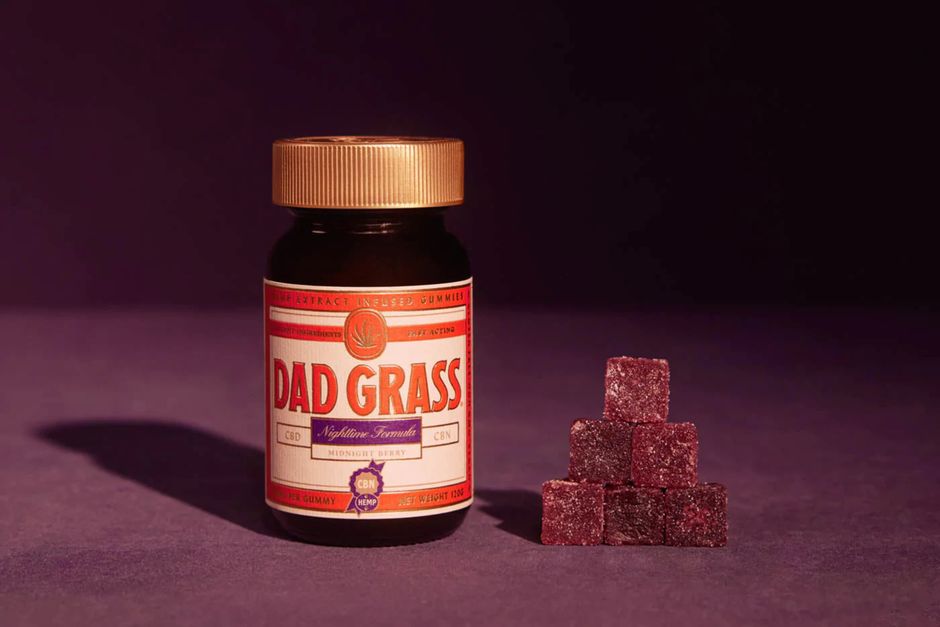
Edibles do not hit you all at once. The effects usually begin within 30 to 60 minutes, peak between 2 and 4 hours, and can last a total of 6 to 8 hours. For some people, especially with high doses, mild effects can linger for 12 hours or more. The exact timeline depends heavily on your metabolism, what you ate, the dose, and your individual body chemistry.
Why Do Edibles Take So Long To Kick In?
When you smoke or vape cannabis, the compounds enter your bloodstream directly through your lungs. That is why the effects are almost instant. Edibles are different. They travel through your digestive system and are processed by your liver.
The liver converts THC into a different compound called 11-hydroxy-THC. This compound is more potent and crosses the blood-brain barrier more easily than regular THC. This is why the edible high often feels stronger and more sedating than a smoked high. It is also the reason the effects last longer.
Digestion is slow. Food moves through your stomach and into your intestines over hours, not minutes. The THC is absorbed gradually, and the liver processes it in waves. This explains the delayed onset and the extended duration.
How Long Do The Effects Of Edibles Last? The Full Timeline
The standard edible experience follows a predictable pattern. Keep in mind these are averages. Your personal experience may differ.
- 0 to 30 minutes: No noticeable effects for most people. The edible is still being broken down in your stomach.
- 30 to 60 minutes: Effects begin for many people. You might feel a slight shift in mood, relaxation, or mild drowsiness.
- 1 to 2 hours: Effects intensify. This is when most people feel the edible working clearly.
- 2 to 4 hours: Peak effects. This is the strongest part of the experience. Sedation, euphoria, and altered perception are common here.
- 4 to 6 hours: Effects gradually fade. You may still feel relaxed or sleepy, but the intense high is reducing.
- 6 to 8 hours: Most people feel close to baseline. Some residual drowsiness or relaxation may remain.
- 8 to 12+ hours: Lingering effects are possible, especially with high doses. This is usually limited to fatigue or a mild foggy feeling.
If you take a very large dose, the timeline extends. High-dose edibles can produce strong effects for 12 hours or more. This is not common with standard doses, but it happens. Never assume a strong edible will wear off quickly.
What Factors Change The Timeline?
Several variables affect how fast edibles hit and how long they last. Understanding these helps you predict your own experience.
Food in your stomach. Taking an edible on an empty stomach usually leads to faster onset. You may feel effects in 20 to 30 minutes. Taking it with a heavy meal slows absorption. Onset may take 90 minutes or more. High-fat meals can increase THC absorption, which may intensify the peak.
Your metabolism. People with faster metabolisms process edibles more quickly. This means faster onset and a shorter overall duration. Slower metabolisms extend both phases.
Your body weight and body fat. THC is fat-soluble. It can bind to fat tissue and release slowly over time. People with higher body fat may experience a longer, more gradual decline in effects.
Your tolerance. Regular cannabis users often need higher doses to feel the same effect. Their bodies process THC more efficiently. However, tolerance does not dramatically shorten the timeline. It mostly affects intensity.
The dose itself. Higher doses produce longer-lasting effects. A 5 mg edible may last 4 to 6 hours. A 50 mg edible can last 10 to 12 hours. The relationship between dose and duration is not perfectly linear, but larger doses consistently extend the timeline.
Individual body chemistry. Some people lack certain liver enzymes or have variations in how they process THC. This is genetic. Some people feel edibles for only 3 hours. Others feel them for 10. Neither is abnormal.





Why Do Some People Feel Nothing At All?
Some people report eating an edible and feeling no effect whatsoever. This happens more often than you might think. There are several possible explanations.
First, the edible may have been poorly made, and the THC content may be lower than labeled. This is a known issue in unregulated markets. Second, the person may have eaten it on a very full stomach, delaying absorption significantly. Third, some people naturally produce less of the liver enzyme needed to convert THC into its active form.
There is also the possibility that the person simply needs a higher dose. Individual sensitivity varies widely. A 10 mg dose might be strong for one person and barely noticeable for another. If you feel nothing after 2 hours, do not immediately take more. Wait. The effects may still be building. Taking more too soon is the most common cause of an overwhelming edible experience.
What Are The Risks Of Taking Too Much?
Taking a high dose of edibles can produce very unpleasant effects. Anxiety, paranoia, rapid heart rate, nausea, and vomiting are all possible. Some people experience intense confusion or a feeling of losing control. These symptoms are temporary, but they can feel frightening while they last.
There is no risk of a fatal overdose from cannabis alone. However, the experience can be distressing enough to require medical attention. If someone is vomiting uncontrollably, cannot be calmed, or has a racing heart that does not settle, they should seek medical care.
Edibles are the most common cause of cannabis-related emergency room visits. This is usually because of severe anxiety or panic rather than a true medical emergency. The best approach is prevention. Start with a low dose, especially if you are inexperienced.
For most adults, a starting dose of 2.5 to 5 mg of THC is reasonable. Wait at least 2 hours before deciding whether to take more. No clinical guidelines currently exist for a “safe” edible dose because individual tolerance varies so widely. The general principle is to go low and go slow.
How To Manage An Edible High That Lasts Too Long
If you find yourself feeling too high, there are steps you can take. The effects will pass, but you can make yourself more comfortable while waiting.
Stay calm and remind yourself it is temporary. The high will fade. It can feel endless in the moment, but it is not permanent. Panic makes the experience worse.
Lie down in a quiet, dark room. Reducing sensory input helps lower anxiety. Close your eyes and focus on slow, deep breathing.
Drink water. Dehydration can worsen feelings of dizziness or headache. Sip water slowly.
Eat something. Food can help ground you. Simple carbohydrates like crackers or bread are often helpful. Some people find that chewing helps distract from anxious thoughts.
Chew on black peppercorns. Some cannabis users report that the smell of black pepper helps reduce anxiety from THC. This is not a proven medical treatment, but it is a harmless home remedy some people find useful.
Take CBD if you have it. CBD can counteract some of THC’s psychoactive effects. If you have CBD oil or gummies, taking a dose may help take the edge off. The evidence for this is limited, but many users report benefit.
Do not drive, operate machinery, or make important decisions while experiencing strong edible effects. Your reaction time and judgment are impaired, even if you feel functional.
When To Seek Medical Help
Most edible experiences resolve on their own without medical intervention. However, there are signs that warrant a call to a healthcare provider or poison control center.
Seek help if the person has a very rapid or irregular heartbeat, is vomiting persistently, has difficulty breathing, or appears confused and cannot be oriented to where they are. Also seek help if the person is unconscious or difficult to wake.
For children, the situation is different. Children who accidentally consume edibles should always receive medical evaluation. The effects can be much stronger and more dangerous in a child’s smaller body. Call poison control immediately if a child has eaten any cannabis product.
These situations are rare, but they happen. Knowing what to look for is important. The majority of edible users will never need medical care.
Frequently Asked Questions
How long does a 10 mg edible high last?
A 10 mg edible typically produces effects for 6 to 8 hours, with the peak occurring between 2 and 4 hours. Some people may feel mild effects for up to 10 hours.
Why do edibles take 3 hours to kick in?
Edibles must pass through the digestive system and be processed by the liver before effects begin. A full stomach, slow metabolism, or certain food combinations can delay onset to 2 or 3 hours.
How long will I feel tired after edibles?
Fatigue and drowsiness can last 8 to 12 hours after consuming an edible, especially with higher doses. The intense high fades sooner, but residual sleepiness may linger into the next day.
Can edibles last into the next day?
Yes, high doses can produce effects that last 12 hours or more, which can extend into the next morning. This usually manifests as fatigue or a mild foggy feeling rather than a strong high.
