
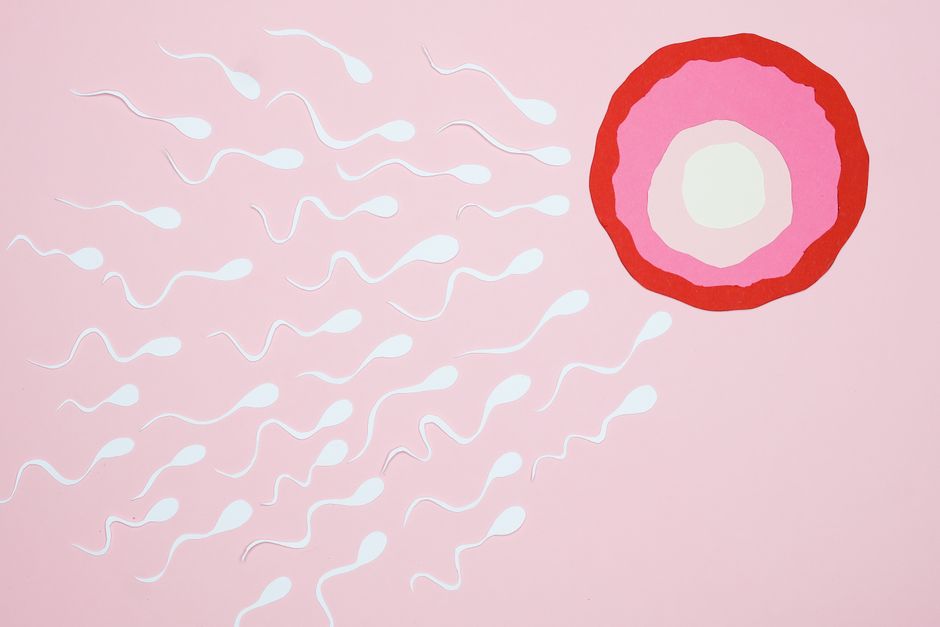
Ovulation day is the day an egg is released from your ovary. It is the single most fertile day of your menstrual cycle. Sperm can survive in the reproductive tract for up to five days, but an egg lives only about 12 to 24 hours after release. That short window shapes everything about how conception timing works.
What Happens on Ovulation Day?
Ovulation is the release of a mature egg from a follicle in one of your ovaries. It happens roughly midway through your cycle, though the exact day varies from person to person and from cycle to cycle.
The process starts earlier in the cycle. Rising estrogen levels trigger a surge of luteinizing hormone (LH) from the pituitary gland. That LH surge causes the follicle to rupture and release the egg, usually within about 24 to 36 hours after the surge begins. The egg is then swept into the fallopian tube, where fertilization can occur if sperm are present.
The follicle that released the egg transforms into a structure called the corpus luteum. It produces progesterone, which thickens the uterine lining to support a potential pregnancy. If no pregnancy occurs, the corpus luteum breaks down, progesterone drops, and the lining sheds as a period.
The key point is not just the egg’s short life. It is the timing of sperm. Sperm deposited before ovulation can already be waiting in the fallopian tube when the egg arrives. This is why the days leading up to ovulation matter as much as ovulation day itself.
How Long Is the Fertile Window Around Ovulation?
The fertile window is about six days long: the five days before ovulation plus ovulation day itself. This is well established in reproductive medicine.
Conception is most likely from intercourse during the two days before ovulation and on ovulation day. The probability of pregnancy from a single act of intercourse rises sharply in that window and drops to near zero the day after ovulation.
The reason comes back to cell survival. Sperm can remain viable in cervical mucus and the fallopian tube for up to five days. The egg, once released, is viable for roughly 12 to 24 hours. So the overlap between surviving sperm and a living egg is what defines the window.
This also explains a common misconception. Many people assume ovulation day is the only day that matters. In practice, the days just before ovulation often carry equal or higher chance of conception, because sperm are already in place when the egg is released.
How Do You Know When You Are Ovulating?
There is no single perfect at-home method, but several signs and tools can help you estimate timing.
- Calendar tracking: If your cycles are regular, ovulation often occurs about 14 days before your next period starts, not necessarily on day 14 of your cycle. Cycle length varies widely, so counting forward from your last period is less reliable than counting back from your expected next one.
- Cervical mucus changes: As estrogen rises, mucus becomes clearer, wetter, and stretchier, similar to raw egg white. This type of mucus helps sperm survive and travel.
- Basal body temperature: A slight rise in resting temperature usually confirms that ovulation has already happened. It is useful for seeing patterns over time but does not predict ovulation in advance.
- Ovulation predictor kits: These detect the LH surge in urine, which typically occurs about 24 to 36 hours before ovulation. They can help time intercourse but are not foolproof, especially in people with irregular cycles or certain conditions.
Each method has limits. None confirms ovulation with certainty on its own. If timing is critical, combining methods gives a better picture than relying on any single one.





Can You Get Pregnant Without Having Sex on Ovulation Day?
Yes. Intercourse in the days before ovulation can lead to pregnancy even if you do not have sex on ovulation day itself.
Because sperm survive for several days, intercourse two or three days before ovulation can still result in fertilization. This is one of the most useful things to understand about fertility timing. It means the window is wider than a single day, and it means couples do not need to pinpoint ovulation perfectly.
What tends to reduce the chance is timing that falls too early or too late. Intercourse more than about five days before ovulation is unlikely to result in pregnancy because sperm will not survive. Intercourse after ovulation day is unlikely because the egg has already degraded.
Does Ovulation Day Guarantee Pregnancy?
No. Ovulation is necessary for pregnancy, but it does not guarantee it.
Even with well-timed intercourse, conception depends on many factors: egg quality, sperm quality, the health of the fallopian tubes, and whether the uterine lining is ready to accept a fertilized egg. For couples in their twenties and early thirties having regular intercourse, the chance of pregnancy in any single cycle is generally estimated at around 20 to 25 percent. That number declines with age, particularly after 35.
This is why doctors often suggest trying for at least a year before seeking evaluation, or six months if the woman is 35 or older. Those timelines reflect how long it can reasonably take even when nothing is wrong.
It is also worth separating two ideas. Ovulating regularly suggests your hormonal cycle is functioning, which is a good sign. But regular ovulation does not rule out other causes of infertility, such as blocked tubes, sperm issues, or problems with implantation.
What If You Do Not Ovulate?
Some people do not ovulate regularly or at all. This is called anovulation, and it is a common cause of infertility.
Signs can include very irregular or absent periods, cycles that vary widely in length, or a lack of the usual mid-cycle signs like cervical mucus changes. Anovulation has many possible causes, including polycystic ovary syndrome (PCOS), thyroid disorders, extreme weight loss or weight gain, excessive exercise, and high stress. It also becomes more common as women approach menopause.
If you are not ovulating, tracking ovulation day will not help, because there is no egg to time around. This is a situation where medical evaluation matters. Treatments exist that can induce ovulation, but they require a diagnosis first. No at-home method can confirm anovulation on its own.
The Bottom Line on Ovulation Day and Fertility
Ovulation day is the peak of your fertile window, but it is not the only day that counts. The five days before it matter just as much, because sperm can wait for the egg. The egg itself survives only about 12 to 24 hours, so the window is short but not as narrow as many people assume.
Tracking ovulation can help with timing, but no method is perfect. And timing is only one piece of fertility. If you have been trying for a year without success, or six months if you are 35 or older, talking to a doctor is the right next step. That timeline is the one most clinicians use, and it exists for a reason.
Frequently Asked Questions
What is the most fertile day of your cycle?
The two days before ovulation and ovulation day itself carry the highest chance of conception. This is because sperm can survive for several days while the egg lives only about 12 to 24 hours.
Can you get pregnant on the day after ovulation?
It is unlikely but not impossible. The egg usually survives only about 12 to 24 hours after release, so the day after ovulation is generally past the fertile window.
How many days after ovulation can you test for pregnancy?
Most home pregnancy tests are designed to detect hCG around the time of a missed period, which is typically about two weeks after ovulation. Testing too early can produce a false negative.
Does ovulation day change every month?
Yes, ovulation day can shift from cycle to cycle, even in people with regular periods. Stress, illness, travel, and hormonal changes can all affect timing.
