
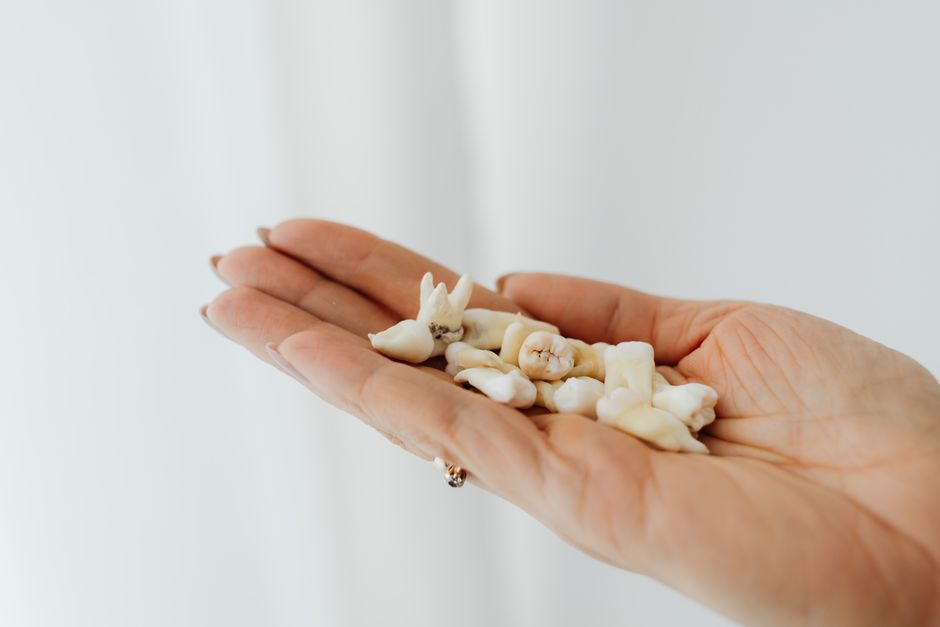
If you just had a tooth pulled, you should wait at least 72 hours before drinking alcohol. This gives the blood clot time to form and stabilize in the socket. Drinking sooner than that can dislodge the clot and lead to a painful condition called dry socket.
Why Is Drinking Alcohol After Tooth Extraction Risky?
After a tooth is removed, your body forms a blood clot in the empty socket. This clot is essential. It protects the bone and nerves underneath while new tissue grows in.
Alcohol interferes with this process in a few ways. First, alcohol thins the blood. This can slow down clotting and make bleeding more likely to start again.
Second, alcohol is a vasodilator. That means it widens blood vessels. Wider blood vessels in the extraction area can increase swelling and bleeding.
Third, alcohol can break down the blood clot itself. If the clot dissolves or gets dislodged, the bone and nerve endings are exposed to air, food, and fluids. This is called dry socket, and it is very painful.
What Is Dry Socket and Why Should You Fear It?
Dry socket is a condition where the blood clot fails to form, gets dislodged, or dissolves before the wound heals. The medical name is alveolar osteitis.
The pain from dry socket typically starts one to three days after the extraction. It is often described as a deep, throbbing ache that radiates from the socket to the ear, eye, or neck on the same side of the face.
Treatment for dry socket usually involves the dentist cleaning the socket and placing a medicated dressing inside. This dressing needs to be changed every few days. The condition can last for several days to a week or more.
It is important to understand that dry socket is not an infection. It is a healing complication. However, it can delay your recovery and require extra visits to the dentist.
How Long Should You Actually Wait?
Most oral surgeons and dentists recommend waiting at least 48 to 72 hours after the extraction. Some recommend waiting a full week, especially for more complex extractions.
The type of extraction matters. A simple extraction of a fully erupted tooth is less traumatic than a surgical extraction of an impacted wisdom tooth. For surgical extractions, the healing time is longer and the risk of complications is higher.
Your dentist will give you specific instructions based on your situation. If they do not mention alcohol, ask them directly before you leave the office.
One common recommendation is to wait until you are no longer taking prescription pain medication. Mixing alcohol with opioid painkillers can be dangerous. It can cause severe drowsiness, slowed breathing, and even overdose.




What About Rinsing With Alcohol or Mouthwash?
Do not rinse your mouth with alcohol or alcohol-based mouthwash for at least 24 hours after the extraction. In fact, many dentists advise avoiding alcohol-based mouthwashes for a week or more.
Rinsing vigorously — with anything — can dislodge the blood clot. This is why dentists tell you not to spit forcefully or use a straw after an extraction.
If you need to clean your mouth, gently rinse with warm salt water. Mix about half a teaspoon of salt in a glass of warm water. Tilt your head and let the water sit in your mouth, then let it dribble out over the sink. Do not swish or spit hard.
Check the label on your mouthwash. Many commercial mouthwashes contain alcohol. Look for an alcohol-free version if you want to use mouthwash during your recovery.
When Can You Drink Alcohol Safely After Tooth Extraction?
If you had a simple extraction and your healing is going well, you might be safe to drink alcohol after 72 hours. But you should still be cautious.
Start with a small amount. See how your body reacts. If you notice increased pain, swelling, or bleeding, stop drinking and contact your dentist.
For surgical extractions, including wisdom teeth removal, wait at least a week. Some dentists recommend waiting two weeks. The more complex the surgery, the longer the healing time.
You should also consider how alcohol affects your judgment. If you are still taking pain medication, do not drink at all. Even over-the-counter ibuprofen can interact with alcohol and increase the risk of stomach bleeding.
Alcohol can also dehydrate you. Dehydration slows the healing process. Drink plenty of water alongside any alcohol you consume.
What Are the Signs of a Healing Problem?
You should contact your dentist if you experience any of the following after an extraction:
- Severe pain that gets worse instead of better after a few days
- Bleeding that does not stop with pressure
- Signs of infection, such as fever, chills, or pus
- Numbness that does not go away
- Swelling that gets worse after the first 48 hours
These symptoms could indicate dry socket, an infection, or another complication. Do not ignore them. Call your dentist right away.
It is also worth noting that smoking is another major risk factor for dry socket. The suction from inhaling can dislodge the clot, and the chemicals in tobacco slow healing. If you smoke, try to avoid it for at least 72 hours after the extraction.
Does the Type of Alcohol Matter?
No. Beer, wine, liquor, and cocktails all carry the same risks after an extraction. The alcohol content is the issue, not the specific drink.
Carbonated drinks, including beer and sparkling wine, add an extra risk. The bubbles can create pressure in your mouth that might dislodge the clot. If you do drink after the waiting period, choose a non-carbonated option.
Drinking through a straw is also risky. The suction can pull the clot right out of the socket. Avoid straws entirely for at least a week after your extraction.
Frequently Asked Questions
Can I drink alcohol 48 hours after tooth extraction?
Most dentists recommend waiting at least 72 hours. If you had a simple extraction and are healing well, some dentists may allow alcohol at 48 hours, but this is the minimum and not ideal.
What happens if I drink alcohol after tooth extraction?
You increase your risk of dry socket, delayed healing, and renewed bleeding. Alcohol can thin your blood, widen blood vessels, and dissolve the protective blood clot in the socket.
Can I drink beer after tooth extraction?
Beer is a poor choice because it is both alcoholic and carbonated. The carbonation adds pressure that can dislodge the clot, and the alcohol interferes with healing. Wait at least 72 hours, and preferably longer.
How long does a blood clot take to form after tooth extraction?
Blood clot formation begins immediately after the extraction. It takes about 24 to 72 hours for the clot to become stable enough to resist normal daily activities like eating and talking. This is why the first three days are the highest risk period.
Your mouth needs time to heal after a tooth extraction. The blood clot is the foundation of that healing. Protect it by avoiding alcohol, smoking, straws, and vigorous rinsing for at least the first three days. When in doubt, wait longer. Your dentist is the best source of advice for your specific situation.
